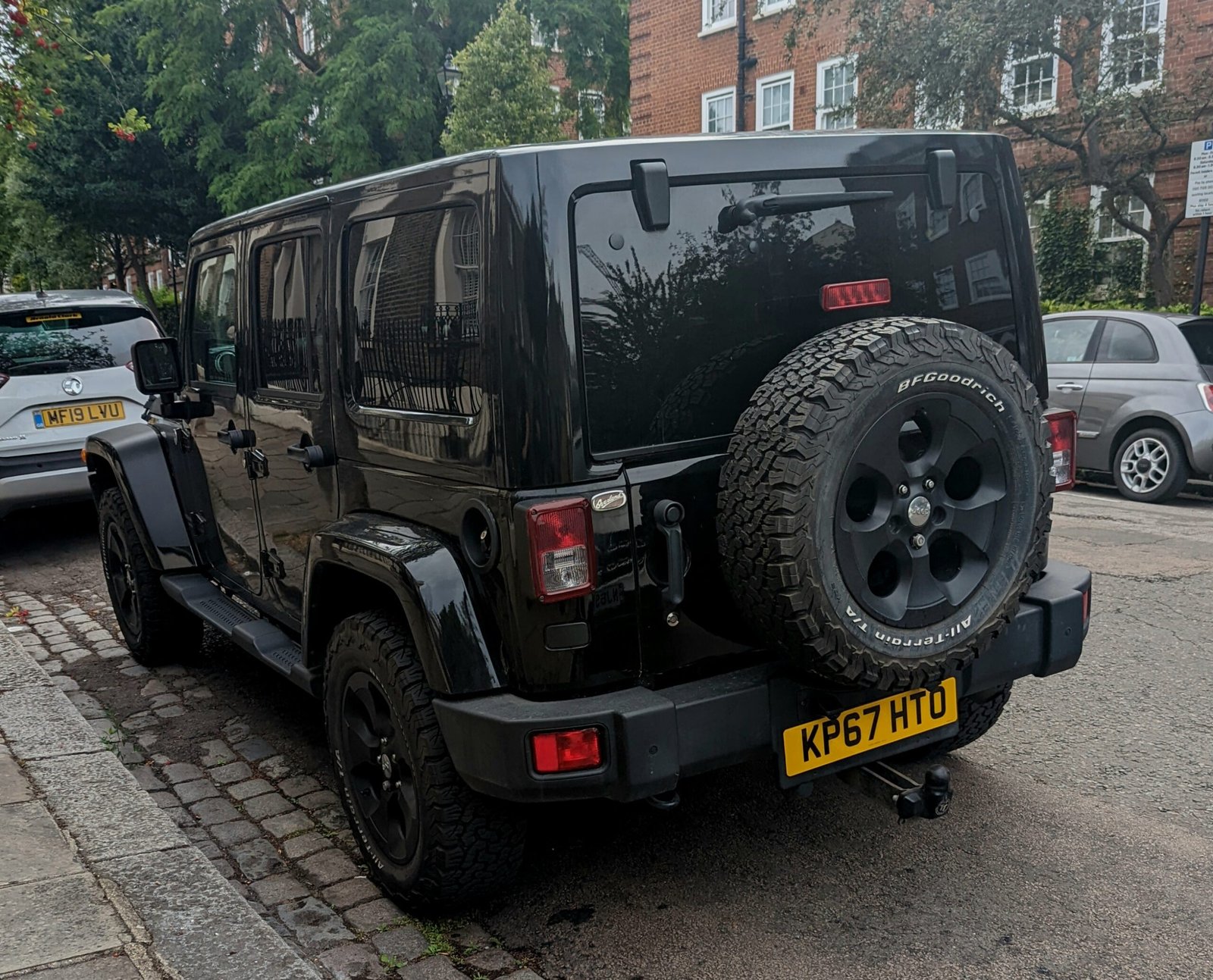
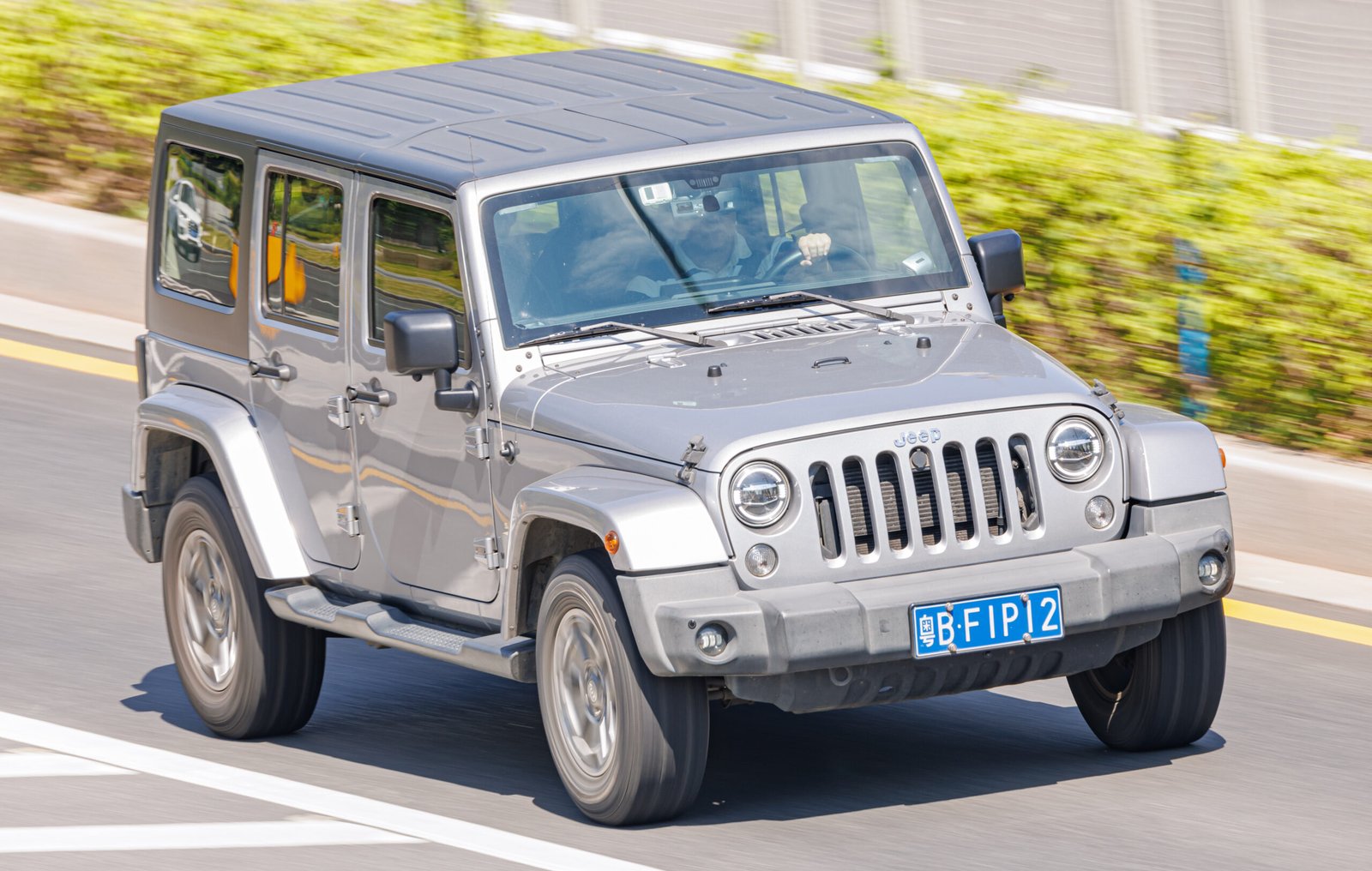
Draining the fuel tank of a Jeep Cherokee is a task many owners face at least once. Maybe you filled up with the wrong fuel, are replacing a fuel pump, or need to remove old gasoline. Whatever the reason, emptying the tank safely and effectively is important. Mistakes can lead to safety risks or damage your vehicle. This guide explains the steps, tools, and precautions needed to drain your fuel tank without hassle—even if you’re not a car expert.
Understanding Why Draining Is Necessary
People drain fuel tanks for a few reasons. Accidentally adding the wrong fuel type, like diesel instead of gasoline, happens more than you think. Old or contaminated fuel can cause engine problems like poor starting or rough idling. Before replacing a fuel pump, draining the tank is often required. In rare cases, draining is part of prepping a vehicle for long-term storage or repairs.
It’s important to know that removing fuel from the tank is not a regular maintenance task. Only do this when absolutely necessary. Incorrect handling can be dangerous due to fire risks and environmental concerns.
Tools And Safety Gear Needed
Before starting, gather the right tools and safety equipment:
- Safety glasses and gloves
- Fire extinguisher (rated for flammable liquids)
- Automotive fuel siphon pump
- Empty, approved gas cans (usually 5-gallon containers)
- Jack and jack stands (if access under vehicle is needed)
- Flathead screwdriver and socket set
- Shop towels and a small bucket
Never use your mouth or a garden hose to siphon fuel. Modern vehicles like the Jeep Cherokee often have anti-siphon devices in the filler neck, so you may need to access the tank from underneath.

Step-by-step Guide To Draining The Tank
1. Prepare The Vehicle
Park your Jeep Cherokee on a flat surface in a well-ventilated area. Avoid smoking or open flames. Disconnect the negative battery terminal to prevent sparks. This small step reduces fire risk.
2. Locate The Fuel Tank
The tank is usually under the rear seat or under the vehicle near the back axle. Consult your owner’s manual if unsure. Most Jeep Cherokees have a plastic tank with easy-to-spot fuel lines.
3. Access The Fuel Lines
You have two main options:
- Siphon through the filler neck: This often fails due to anti-siphon screens.
- Disconnect the fuel line: This is more reliable but requires working under the vehicle.
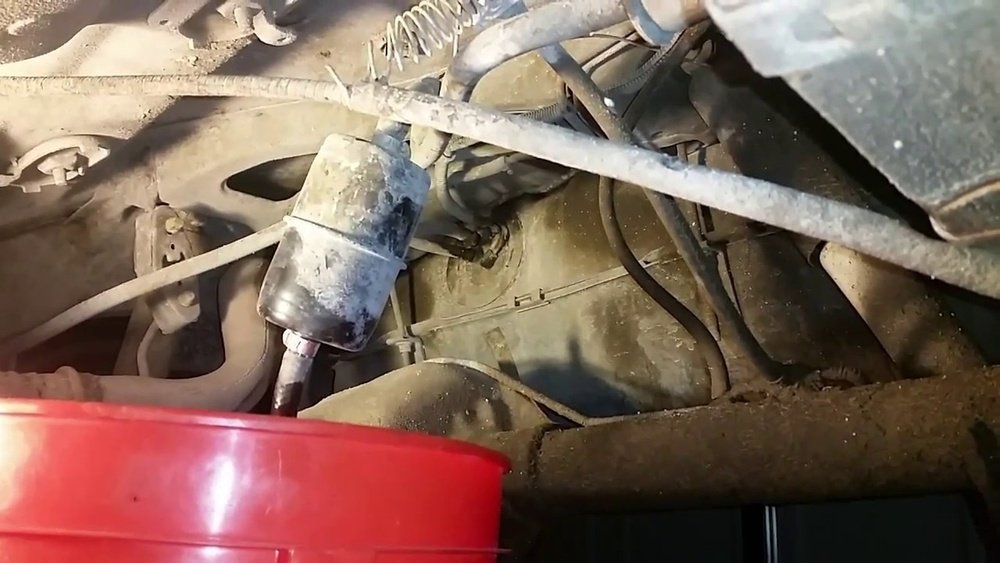
If using the second method, jack up the vehicle and support it with jack stands. Locate the fuel filter or the fuel line entering the engine.
4. Disconnect And Drain
Place a gas can under the fuel line connection. Use the correct wrench to loosen the fuel line. Attach the siphon pump hose to the fuel line, leading the other end into your gas can. Pump until the tank is empty.
Have towels ready for small spills.
For some models, you can remove the fuel pump access panel under the rear seat. This lets you reach the tank directly, but only do this if you understand the risks.
5. Finish And Reconnect
Once the tank is empty, reconnect the fuel line tightly. Double-check for leaks. Reconnect the battery terminal. Dispose of old fuel responsibly at a local recycling center.
Comparison: Filler Neck Vs. Fuel Line Draining
Here’s a quick look at the pros and cons of each method:
| Method | Pros | Cons |
|---|---|---|
| Filler Neck Siphon | Easy access Less mess |
Often blocked by anti-siphon device May not work |
| Fuel Line Disconnect | Works on most models Direct access |
Requires getting under vehicle Some fuel spillage risk |
Common Safety Mistakes To Avoid
Even experienced DIYers sometimes overlook basic safety:
- Skipping the battery disconnect: Static sparks can ignite fuel vapors.
- Draining near open flames: Always work in a fire-safe, ventilated area.
- Improper fuel storage: Never use open containers or water bottles.
Pro tip: Always have a fire extinguisher close by and keep kids and pets away from your work area.
When To Seek Professional Help
If you feel unsure at any step, it’s best to ask a mechanic. Some Jeep Cherokee models have fuel system quirks or electronic locks on the fuel pump. A professional can drain the tank quickly and handle fuel disposal. Attempting complicated repairs without experience can make problems worse.
Example: Real-world Draining Time And Effort
The time required depends on the tank size and fuel amount:
| Tank Size (Gallons) | Amount to Drain | Estimated Time (Minutes) |
|---|---|---|
| 15 | Half (7.5 gal) | 20-30 |
| 15 | Full (15 gal) | 40-60 |
Draining is faster with an electric pump, but manual siphons are safer for beginners.
Disposal: What To Do With Old Gasoline
Don’t pour fuel down drains or on the ground. Most cities have hazardous waste collection sites. Some auto shops take old fuel for recycling. Check your city’s website for disposal locations. For more on proper disposal, see the EPA’s guide on household hazardous waste.

Frequently Asked Questions
How Do I Know If My Jeep Cherokee Has An Anti-siphon Device?
Most modern Cherokees (2000 and newer) have an anti-siphon screen in the filler neck. If your siphon hose will not go far, this is likely the reason.
Is It Safe To Drain The Tank By Running The Engine Until Empty?
No. Running the tank dry can damage the fuel pump and injectors. Always drain fuel using the correct method, not by running the engine.
Can I Use A Shop Vacuum To Remove Fuel?
Never use a shop vacuum. Fuel vapors can ignite inside the vacuum, causing explosion or fire.
How Much Does A Mechanic Usually Charge To Drain A Fuel Tank?
The cost ranges from $100 to $250, depending on location and labor. This includes safe disposal of the old fuel.
Do I Have To Replace The Fuel Filter After Draining The Tank?
It’s a good idea, especially if the fuel was contaminated. A new fuel filter protects your engine and ensures clean fuel flow.
Draining a Jeep Cherokee’s fuel tank can be done safely at home with patience and preparation. Take your time, follow safety steps, and don’t cut corners. If you’re not confident, let a professional handle it. Your safety—and your Jeep—are worth it.