Aiming your 2016 Jeep Cherokee’s headlights correctly can make a huge difference in how well you see the road and how safe you feel when driving at night. If your lights are too high, they can blind other drivers. If they’re too low, you won’t see enough of the road ahead.
Many Jeep Cherokee owners don’t realize how easy it is to adjust headlights themselves at home. Here’s a practical guide to help you do it right, save money, and drive more confidently.
Why Headlight Adjustment Matters
Over time, your headlights can shift due to rough roads or small accidents. Misaligned lights can fail safety inspections and lower night visibility. You might also get pulled over if your lights dazzle oncoming drivers. Proper adjustment ensures you see hazards sooner and keep others safe.
Tools And Preparation
You only need a few things:
- Phillips screwdriver (or a 7mm socket for some models)
- Masking tape
- Measuring tape
- Level ground and a flat wall (like your garage door)
- Your vehicle’s owner’s manual (for reference)
Before starting, check these:
- Tire pressure is correct
- Vehicle isn’t carrying extra heavy loads
- Headlights are clean and not fogged
Small details like tire pressure make a difference. Even a low tire can tilt your Jeep and change headlight aim.
Step-by-step Headlight Adjustment
1. Find A Good Location
Park your Jeep on a level surface, about 25 feet from a blank wall. The area should be flat so the measurements stay accurate. Turn off any extra cargo or roof racks that might change vehicle height.
2. Prepare The Jeep
Make sure the fuel tank is half full and the driver’s seat has normal weight (add something if you’re working alone). This simulates regular driving conditions.
3. Mark The Wall
Switch on the low beams. Use masking tape to mark two points on the wall:
- Vertical line: Straight out from the center of each headlight
- Horizontal line: Even with the height of the headlights from the ground
Measure from the ground to the center of each headlight lens, then transfer that height to the wall with tape. This reference helps you see where the beam should hit.
4. Locate The Adjustment Screws
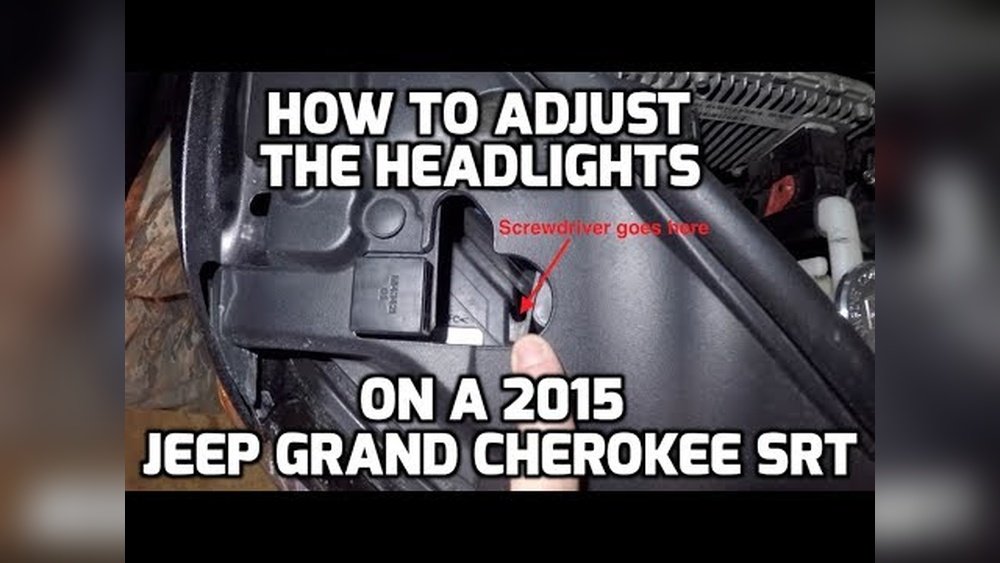
Open the hood. On a 2016 Jeep Cherokee, you’ll find the vertical adjustment screw on top or behind each headlight assembly. Some trims have a plastic cap covering the hole—pop it off gently. There’s usually no horizontal adjustment; the factory sets it.
5. Adjust The Vertical Aim
Insert your screwdriver into the adjustment screw. Turn slowly:
- Clockwise: Raises the beam
- Counterclockwise: Lowers the beam
The most focused, brightest part of the beam should be 2 to 4 inches below the tape’s horizontal line at 25 feet. This keeps the light on the road, not in other drivers’ eyes.
6. Test Your Work
After adjusting both sides, step back and check the pattern. Both beams should look even and symmetrical. Take a short drive in the dark to confirm real-world results. Fine-tune if necessary.
Common Mistakes And How To Avoid Them
- Ignoring tire pressure: Even a small difference can affect aim.
- Skipping wall markings: Guessing the height leads to poor results.
- Adjusting with full cargo: This raises the front and lowers the beam too much.
- Only adjusting one side: Both lights must be even for proper road coverage.
- Over-tightening screws: This can damage the adjustment mechanism.

Comparison: Diy Vs Professional Adjustment
Here’s a quick look at doing it yourself versus hiring a mechanic.
| Aspect | DIY | Professional Service |
|---|---|---|
| Cost | $0 (if you have tools) | $30–$70 per adjustment |
| Time | 30–45 minutes | 1–2 hours (including wait) |
| Accuracy | Good (with care) | Very high (using laser tools) |
DIY is usually enough for most people, but professionals have special tools for perfect accuracy.
Real-world Example
A 2016 Jeep Cherokee owner noticed poor night visibility after replacing a headlight bulb. Using the steps above, he adjusted his lights in about 30 minutes. The result? He reported seeing 20% farther down the road and stopped getting flashed by oncoming cars.

Headlight Adjustment Specifications
For the 2016 Jeep Cherokee, the official guideline is for the cutoff line (the top of the bright spot) to be 2–4 inches below the headlight center at 25 feet. This is standard for US roads.
Here’s a quick visual for reference:
| Distance from Wall | Beam Drop Below Headlight Height |
|---|---|
| 10 feet | 0.8–1.6 inches |
| 25 feet | 2–4 inches |
| 50 feet | 4–8 inches |
Aiming outside these numbers can reduce visibility and cause glare.
Upgrades And Replacement Tips
If your lights are still weak after adjustment, you might have foggy lenses or aging bulbs. Consider:
- Polishing headlight lenses (DIY kits cost $10–$20)
- Upgrading to brighter halogen or LED bulbs (check local laws)
- Replacing old bulbs, even if they haven’t burned out (bulbs dim over time)
Before switching to LEDs, check your state’s rules. Some upgrades are not street legal everywhere. The official NHTSA Headlight Information offers more details.
Frequently Asked Questions
How Often Should I Adjust My Jeep Cherokee’s Headlights?
Check alignment at least once a year, or after changing bulbs, tires, or after a small collision. Bumpy roads can also throw off alignment over time.
Can I Adjust Horizontal Alignment?
The 2016 Jeep Cherokee usually only allows for vertical adjustment. If side-to-side aim is off, the housing may be damaged, or it may need professional repair.
What If My Headlights Are Still Dim After Adjusting?
Clean the lenses, check for moisture inside, and replace old bulbs. If brightness does not improve, consider upgrading bulbs or the full assembly.
Is It Legal To Adjust Headlights Myself?
Yes, adjusting your own headlights is legal in most states. However, you must follow alignment guidelines to avoid causing glare or failing inspections.
Do I Need Special Tools?
No, you only need a standard screwdriver or a 7mm socket. Most adjustments can be done at home with basic tools.
Adjusting your 2016 Jeep Cherokee’s headlights is a quick, rewarding task that boosts safety and driving comfort. With a little care, you’ll see farther and avoid blinding others—making every night drive safer for everyone.