Want to make your Jeep faster? You’re not alone. Many Jeep owners love the rugged look and off-road ability, but sometimes, the need for more speed hits—on highways, passing, or just for fun. Luckily, there are practical ways to boost your Jeep’s speed without making it unreliable or unsafe.
In this guide, you’ll discover the best upgrades and tips, learn what really works, and avoid common mistakes that waste money.
Understanding Jeep Performance
Jeeps, especially the Wrangler and Cherokee, are famous for off-road power, not raw speed. They often have heavy bodies, big tires, and engines tuned for torque, not horsepower. That’s why even the newer models might feel slow compared to regular cars or SUVs. But with smart upgrades, you can improve acceleration, top speed, and how your Jeep feels on the road.
Engine Upgrades For Speed
The engine is the heart of any speed improvement. Here are key upgrades:
- Cold Air Intake: Replaces the factory airbox with a system that brings in cooler, denser air. This can add 5-15 extra horsepower.
- Performance Exhaust: A free-flowing exhaust reduces backpressure, helping the engine “breathe” better. Gains of 7-12 horsepower are common.
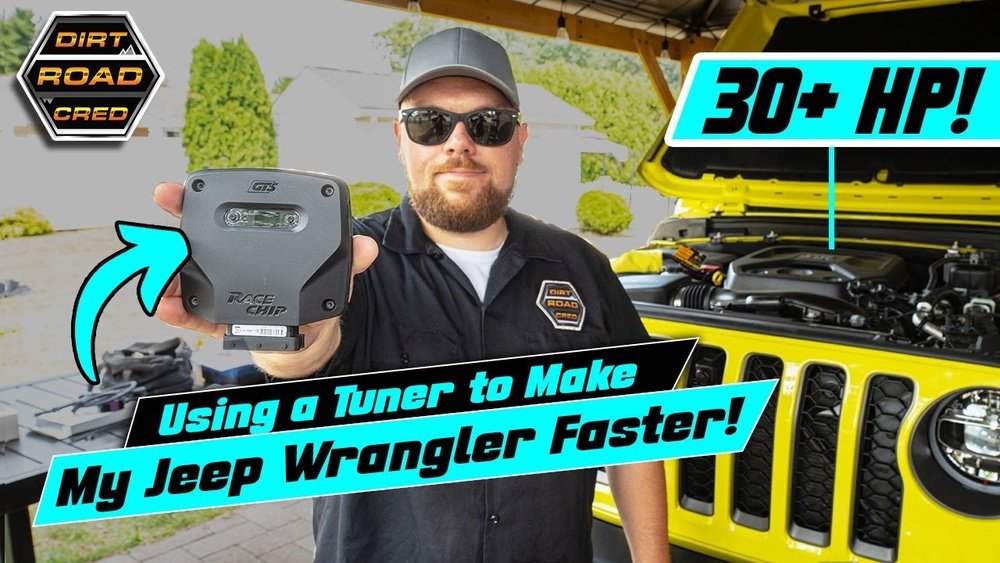
- ECU Tuning (Chip/Programmer): Updating the engine’s computer can change fuel and timing for more power. Some tuners add up to 30 horsepower and improve throttle response.
- Forced Induction (Supercharger/Turbo): For big speed increases, a supercharger or turbo can add 40%–60% more power. This is expensive and may need engine upgrades to handle the extra stress.
Example: Power Gains Table
| Upgrade Type | Average Power Gain | Estimated Cost (USD) |
|---|---|---|
| Cold Air Intake | 5-15 HP | $200–$400 |
| Performance Exhaust | 7-12 HP | $300–$700 |
| ECU Tuner | 10-30 HP | $300–$600 |
| Supercharger/Turbo | 70-120 HP | $4000–$8000 |
One thing beginners miss: Upgrades work best together. Doing just one might give a small boost, but combining intake, exhaust, and tuning gives the best results.

Drivetrain And Gearing Tweaks
Jeeps often use low gearing for off-road torque. That’s great for climbing, but it hurts speed. Swapping to higher gears can improve both acceleration and top speed.
- Re-gearing: Changing differential gears (like from 4.10 to 3.73) can lower engine RPMs at highway speeds, making your Jeep faster and more efficient.
- Short-Throw Shifters: For manual Jeeps, a short-throw shifter makes gear changes quicker and sportier.
Gear Ratio Example
| Gear Ratio | Effect | Best For |
|---|---|---|
| 4.10 | More torque, slower top speed | Off-road |
| 3.73 | Balanced torque and speed | Mixed use |
| 3.21 | Higher top speed, less torque | Highway |
Mistake to avoid: Don’t just pick the highest gear. Too high, and your Jeep will lose power for hills or towing.
Weight Reduction
Speed isn’t just about more power. Lighter Jeeps accelerate faster. Consider these changes:
- Remove unnecessary roof racks or heavy bumpers when not needed.
- Use aluminum wheels instead of steel.
- Swap to lighter seats if you rarely use the rear ones.
A 100-pound weight loss can improve acceleration by 1–2%. It may seem small, but it adds up, especially if you combine other upgrades.
Tire And Wheel Choices
Jeeps often have large, heavy off-road tires. These look great but slow you down.
- Switch to lighter all-terrain tires for daily driving.
- Choose smaller diameter tires for less rolling resistance.
- Keep tires properly inflated.
Tire Comparison
| Tire Type | Average Weight (each) | Speed Effect |
|---|---|---|
| Mud-Terrain 35″ | 60 lbs | Slower acceleration |
| All-Terrain 33″ | 45 lbs | Faster acceleration |
| Street 31″ | 38 lbs | Best speed |
Non-obvious tip: Even small tire changes can make your Jeep feel much quicker. Test drive before buying a full set.
Aerodynamics And Maintenance
Jeeps are not known for good aerodynamics. Still, you can improve a bit:
- Remove roof lights or racks when not needed.
- Avoid large, flat bumpers or winches for daily driving.
- Keep windows closed at high speed.
Regular maintenance is also key. Change air filters, spark plugs, and engine oil on time. Even a dirty air filter can reduce power.

Safety And Legal Reminders
Going faster is fun, but always check local laws. Some engine mods, especially tuners and forced induction, may not be street-legal in your area. Upgrading your brakes and suspension is smart if you boost power. More speed needs more stopping power.
It’s also wise to tell your insurance company about big changes. Some upgrades might affect coverage.
Frequently Asked Questions
How Much Faster Can I Make My Jeep?
With bolt-on upgrades (intake, exhaust, tune), most Jeeps gain 20–40 horsepower and feel much quicker. Big changes like a supercharger can nearly double your power.
Will Bigger Tires Make My Jeep Slower?
Yes, larger and heavier tires add rolling resistance and weight, making your Jeep slower. For best speed, use lighter, smaller tires designed for street use.
Is It Safe To Tune My Jeep’s Ecu?
Quality tuners are usually safe, but always use trusted brands. Cheap or poorly tuned chips can damage your engine. Make sure any upgrade is right for your Jeep’s year and model.
What About Turbo Or Supercharger Kits?
A turbo or supercharger gives the biggest power boost but costs thousands of dollars. Your Jeep’s engine and transmission must be strong enough. Professional installation is a must.
Where Can I Learn More About Jeep Upgrades?
You’ll find detailed info on official Jeep forums and trusted sites like MotorTrend. Always research before buying or installing any part.
Speeding up your Jeep is possible with the right mix of upgrades, from engine tweaks to smarter tire choices. Start small, make changes one step at a time, and always think about safety. With these tips, you can enjoy a Jeep that’s not just tough, but also quick when you need it.