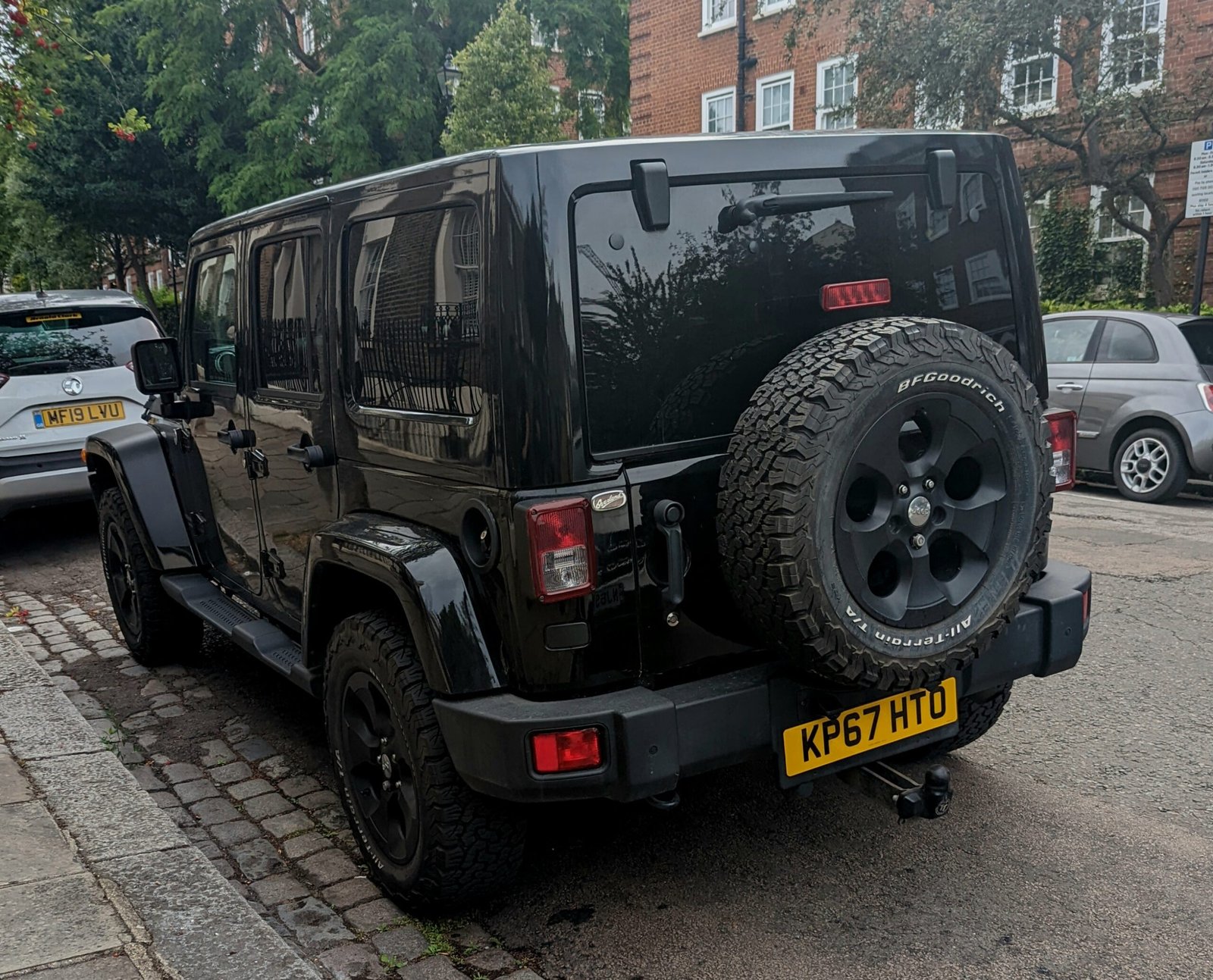
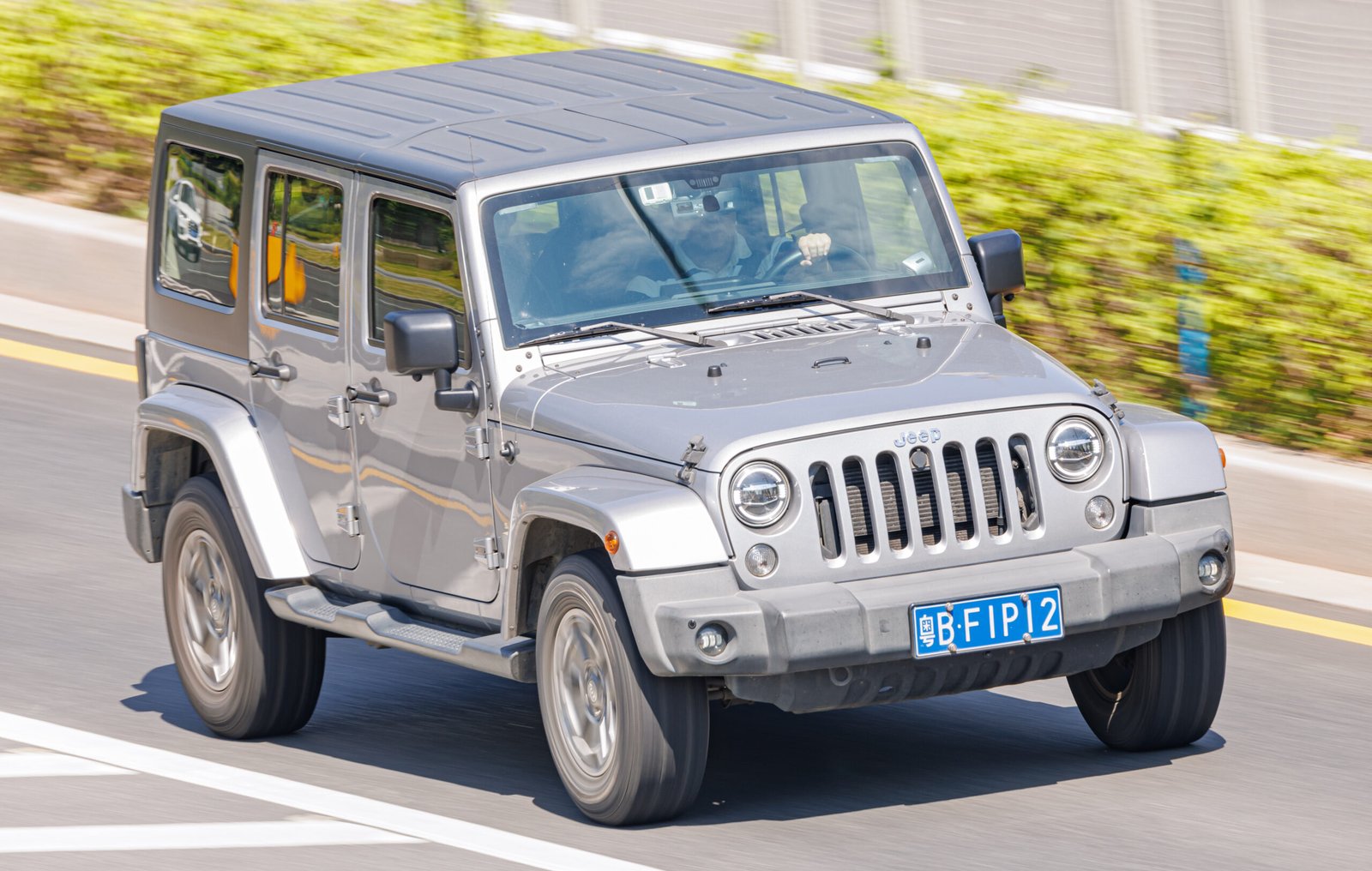
Getting stuck with a dead battery in your Jeep Wrangler JL can turn a fun day into a stressful one. Fortunately, jump starting this vehicle is straightforward if you follow the right steps. Whether you’re on a city street or out on the trail, knowing how to jump start your JL safely is a skill every owner should have. This guide will walk you through the process, highlight important safety tips, and clear up common mistakes. By the end, you’ll feel confident handling a dead battery situation.
Understanding Your Jeep Wrangler Jl Battery
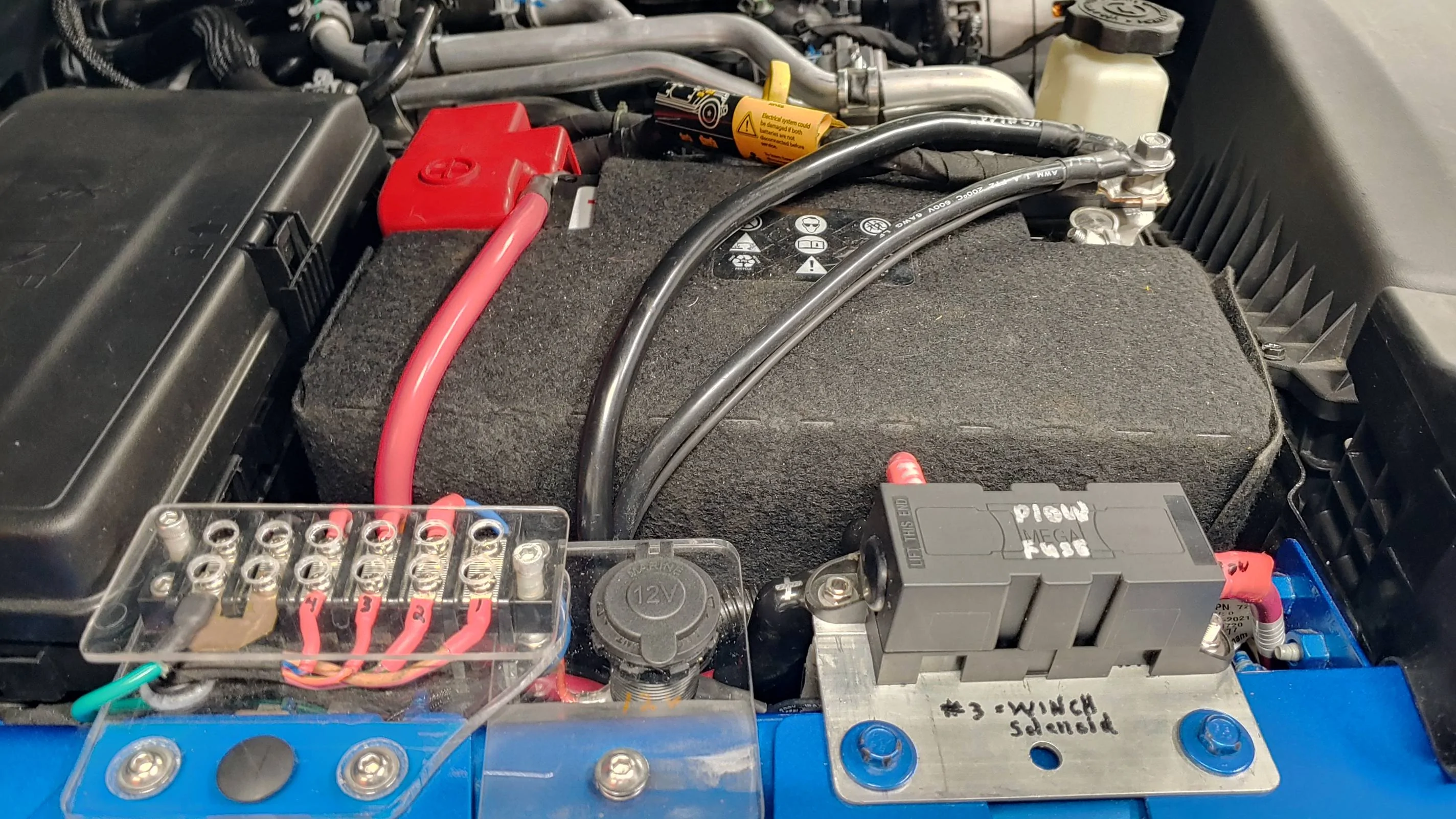
The Jeep Wrangler JL uses a 12-volt battery, located under the hood. Most JL models have an AGM (Absorbent Glass Mat) battery, which is different from older flooded batteries. AGM batteries are safer and last longer, but improper jump starting can damage them.
Here’s a quick comparison of battery types found in Jeeps:
| Battery Type | Common In JL | Average Lifespan |
|---|---|---|
| AGM | Yes | 4-6 years |
| Flooded Lead Acid | No | 3-5 years |
| Lithium-ion | Rare | 7-10 years |
If your JL has the Start-Stop system, it may have two batteries—one main, one auxiliary. The jump procedure is the same, but always connect to the main battery.
What You’ll Need To Jump Start
Before starting, gather these items:
- Jumper cables – Heavy-duty, at least 10 feet long
- Another vehicle – With a good 12V battery (any car or truck)
- Gloves – To protect your hands
- Safety glasses – Optional, but recommended
Many JL owners make the mistake of using low-quality cables, which can overheat and even melt. Always choose thick, copper cables for safety.
Step-by-step: How To Jump Start A Jeep Wrangler Jl
Follow these steps carefully to avoid damage and ensure safety:
- Position the Vehicles
- Park the working vehicle close to your Jeep, but ensure they don’t touch.
- Turn both vehicles OFF and set parking brakes.
- Prepare the Batteries
- Open the hood and locate the battery on your JL (driver’s side, front).
- Remove any covers to expose the terminals.
- Connect the Jumper Cables
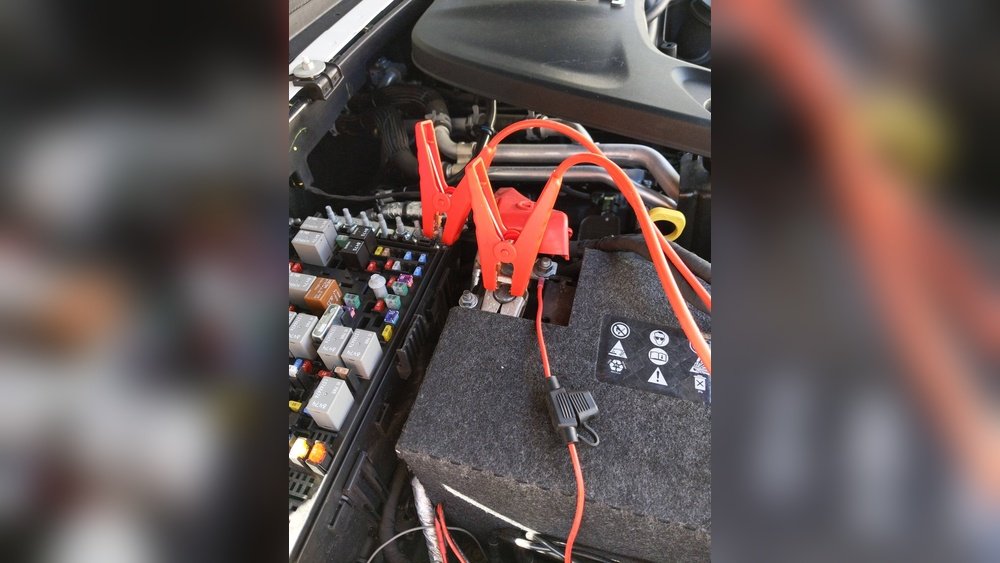
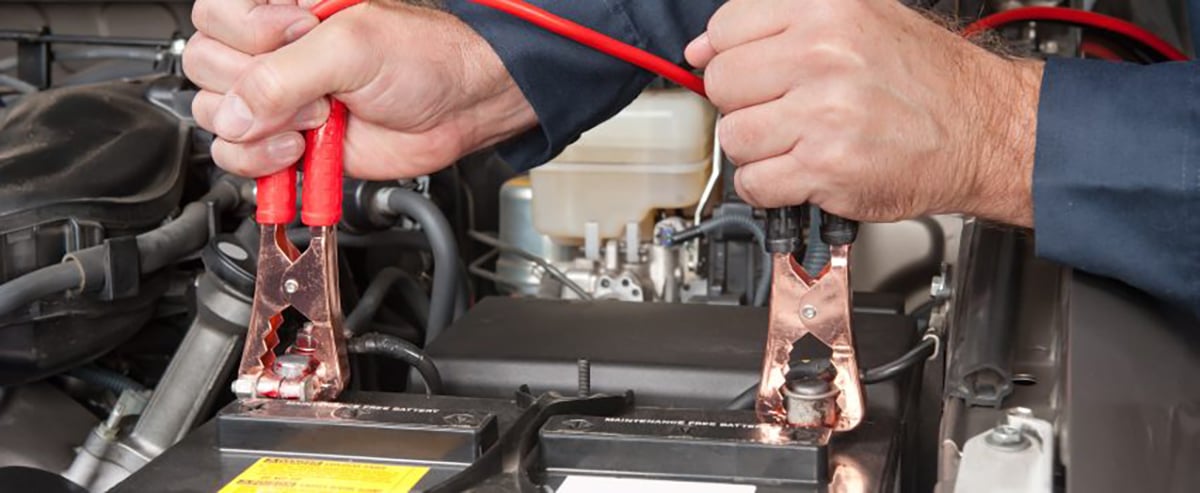
- Attach the red cable clamp to your Jeep’s positive (+) terminal.
- Connect the other end of the red cable to the positive terminal on the helper vehicle.
- Attach the black cable clamp to the helper vehicle’s negative (-) terminal.
- Connect the other black clamp to an unpainted metal surface on your Jeep (not the battery), such as a bolt or bracket.
- Start the Helper Vehicle
- Let it run for 2-3 minutes to transfer power.
- Start Your Jeep
- Try turning the key. If it doesn’t start, wait another minute.
- Once running, let your Jeep idle for 5-10 minutes.
- Disconnect Cables Carefully
- Remove the cables in reverse order: Negative from Jeep, negative from helper, positive from helper, positive from Jeep.
- Replace Covers and Close Hood
- Make sure everything is secure before driving.
Here’s a quick reference table for cable connections:
| Step | Action | Where |
|---|---|---|
| 1 | Red clamp | JL positive terminal |
| 2 | Red clamp | Helper positive terminal |
| 3 | Black clamp | Helper negative terminal |
| 4 | Black clamp | JL metal chassis |
Practical Tips For Safe Jump Starting
- Check the battery for leaks or cracks before connecting cables. A damaged battery can explode.
- Never connect both black clamps to the battery. Always use a metal chassis ground on your Jeep.
- Don’t rush. Wait a few minutes between steps to avoid electrical surges.
- Use gloves and eye protection, especially if you’re in a dusty area.
Many people forget to let their Jeep idle after jump starting. This allows the alternator to recharge the battery and prevents another stall.
Common Mistakes To Avoid
- Wrong cable order: Attaching cables incorrectly can cause sparks or damage.
- Short cables: Using cables that are too short increases risk and makes connection harder.
- Leaving electronics on: Turn off lights and accessories before jump starting.
- Not checking battery age: If your battery is over 5 years old, consider replacement.
These errors are easy to make, especially under stress. Double-check each step and ask for help if unsure.
How Long Should You Let The Jeep Run After Jump Starting?
After jump starting, let your Jeep Wrangler JL run for at least 15–20 minutes. This gives the alternator time to recharge the battery enough for the next start. If you drive immediately, avoid short trips, as they don’t recharge the battery fully.
Here’s a comparison of recharge times:
| Idle Time | Estimated Charge | Next Start Reliability |
|---|---|---|
| 5 min | Low | Possible |
| 15 min | Medium | Good |
| 30 min | High | Very Good |
What To Do If Jump Starting Fails
If your Jeep doesn’t start after several attempts:
- Check battery terminals for corrosion.
- Try a different jumper cable or helper vehicle.
- If the engine cranks but doesn’t start, you may have a starter or alternator issue.
- If there’s no sound or click, your battery is likely dead or the cables aren’t secure.
In these cases, call roadside assistance or visit your nearest dealer. Repeated failed jumps can damage your Jeep’s electrical system.
Frequently Asked Questions
What Size Jumper Cables Are Best For A Jeep Wrangler Jl?
Choose cables at least 4-gauge and 10 feet long. Thicker cables handle more power and reduce risk.
Can I Jump Start My Jl From A Portable Jump Starter?
Yes, but use a portable starter rated for at least 800 amps. Always follow the device instructions.
Is It Safe To Jump Start In Rain Or Snow?
It’s safe if you avoid standing water and keep cables dry. Wear gloves and move slowly.
How Often Should I Replace My Jeep Battery?
Every 4–6 years is typical, depending on climate and driving habits. Extreme cold or heat shortens battery life.
Can Jump Starting Damage My Jeep’s Electronics?
If done correctly, it’s safe. Incorrect cable order or touching clamps together can cause damage. Always check your owner’s manual or visit Jeep’s official site for detailed guidance.
Getting your Jeep Wrangler JL back on the road with a jump start is simple when you follow these steps. Always put safety first, and don’t hesitate to ask for help if you’re unsure. Knowing this procedure can save you time and money, and keep your adventures rolling.