If you drive a Jeep off-road, you know how important a winch can be. Whether you’re stuck in mud, helping another vehicle, or tackling rough terrain, a winch can turn a tough day into an easy rescue. But using a winch safely and correctly isn’t just about pushing a button. It’s about knowing the right steps, using the right gear, and understanding your Jeep’s limits. This guide will show you exactly how to use a winch on a Jeep, with practical advice, clear steps, and tips that even experienced drivers sometimes overlook.
Understanding Your Jeep Winch
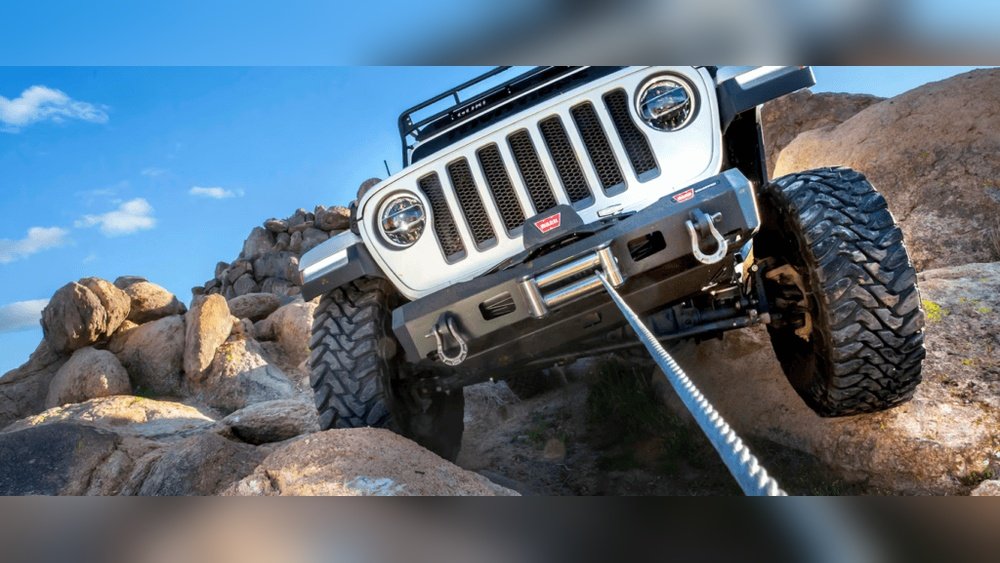
A winch is a device with a motor and cable that pulls heavy objects. Most Jeep winches can pull between 8,000 to 12,000 pounds. Before you use it, check the winch’s rating. It should match or exceed your Jeep’s weight. You’ll also want to know the type of cable—steel or synthetic. Steel cables are strong but heavy, while synthetic ropes are lighter and safer if they snap.
| Winch Type | Strength | Weight | Safety |
|---|---|---|---|
| Steel Cable | High | Heavy | Can cause injury if it breaks |
| Synthetic Rope | Medium to High | Light | Safer if it breaks |
Preparing For Winching
Before you start, make sure you have the right tools:
- Gloves to protect your hands
- Snatch block to change pull direction or double power
- Tree strap to protect anchor points
- D-shackle for secure connections
Check your winch’s cable for damage or fraying. Damaged cables can snap under stress. Always keep your Jeep in neutral during winching, so the wheels don’t fight the winch.

Step-by-step Guide To Using A Jeep Winch
1. Find A Strong Anchor Point
Look for a sturdy tree, rock, or another vehicle. Avoid weak or dead trees, as they may break.
2. Attach The Winch Line
Wrap a tree strap around the anchor and connect the winch line using a D-shackle. Never wrap the cable directly around a tree—this can damage both the cable and the tree.
3. Set Up The Winch
Pull out enough cable to reach the anchor. Use gloves to avoid injury from burrs or frayed wires. Attach a snatch block if you need more pulling power or want to change the cable’s direction.
4. Check Your Connections
Make sure all shackles and straps are tight and secure. Loose connections are a common mistake that can cause accidents.
5. Apply Tension Slowly
Use the winch’s remote control to start pulling. Stand clear of the cable; if it snaps, it can cause serious injury. Keep bystanders at least 1. 5 times the cable’s length away.
6. Monitor Your Jeep
Watch your Jeep as it moves. If it tilts or slides, stop immediately. Adjust the winch line or anchor point if needed.
7. Stop And Secure
Once your Jeep is free, stop the winch. Put your Jeep in park and re-wind the cable slowly. Check all equipment for wear before storing.
| Step | Time Needed | Risk Level |
|---|---|---|
| Finding Anchor | 2 min | Low |
| Attaching Line | 3 min | Medium |
| Winching | 5-10 min | High |
| Securing | 2 min | Low |
Practical Tips And Insights
Many beginners miss these important details:
- Don’t winch at an angle: Pulling sideways can damage your Jeep and the winch.
- Use a winch line dampener: Place a heavy jacket or winch blanket over the cable. If the cable snaps, the dampener reduces flying debris.
- Inspect after every use: Winches and cables wear out quickly. Small cuts or frays can turn into big problems next time.
Another smart move is to practice winching in a safe area before you really need it. This builds confidence and helps you spot mistakes when it’s not an emergency.
Common Mistakes To Avoid
Using a winch wrongly can be dangerous. Here are mistakes to watch out for:
- Not wearing gloves: Steel cables can cut skin easily.
- Rushing setup: Skipping checks leads to accidents.
- Overloading the winch: Never try to pull more than its rated capacity.
- Poor anchor points: Weak anchors can break, putting everyone at risk.
- Standing near the cable: Always stay clear while winching.
| Mistake | Result | How to Avoid |
|---|---|---|
| No Gloves | Hand Injury | Wear gloves every time |
| Bad Anchor | Anchor Failure | Choose strong, healthy trees or rocks |
| Cable Overload | Cable Break | Check winch rating |
Advanced Tips For Winch Users
If you’re ready to go beyond the basics, consider these ideas:
- Double-line pulling: Use a snatch block to double your winch’s pulling power. This is useful for heavy Jeeps or tough spots.
- Regular maintenance: Clean your winch after muddy trips. Mud and water cause rust and wear.
- Upgrade to synthetic rope: Many Jeep owners switch for safety and easy handling.
For deeper winch safety and off-road recovery info, visit 4x4abc Recovery Guide.
Frequently Asked Questions
How Much Weight Can My Jeep Winch Pull?
Most Jeep winches pull 8,000 to 12,000 pounds. Check your winch label for the exact number. Always stay under this limit for safety.
Can I Use My Jeep Winch For Towing?
Winches are for pulling, not towing. You can use it for short moves, but not for towing on roads. For towing, use a proper tow bar or strap.
Do I Need To Keep My Engine Running While Winching?
Yes. The winch uses a lot of battery power. Keep your Jeep’s engine running to avoid draining the battery.
Should I Use Steel Cable Or Synthetic Rope?
Steel cable is strong but heavy and can cause injury if it breaks. Synthetic rope is lighter and safer. Choose based on your needs and budget.
How Often Should I Check My Winch?
Inspect your winch and cable before every off-road trip. Look for rust, fraying, or loose parts. Monthly checks are a good habit, even if you don’t use it often.
A winch is one of the most useful tools for Jeep owners, but only if you use it the right way. Learn the basics, avoid common mistakes, and practice in safe conditions. With the right skills and care, your winch will make off-road adventures safer and more enjoyable.