Taking off the hard top from your Jeep Gladiator can feel intimidating, especially for beginners. But with the right steps, tools, and safety tips, you can do it smoothly—even by yourself. Whether you want open-air driving or need to repair or upgrade, knowing how to remove the hard top is essential. This guide shows you the best way to do it, avoids common mistakes, and helps you keep your Jeep safe during the process.
Why Remove The Hard Top?
Many Gladiator owners remove their hard tops for open-air driving. Others do it for maintenance, repairs, or to install upgrades like roof racks or new lighting. While the process is not too complex, it does require attention to detail. Removing the hard top gives you more flexibility and lets you customize your ride.
Tools And Preparation
Before you start, gather the necessary tools and prepare your workspace. You don’t want to pause halfway because you’re missing a tool.

| Tool | Purpose | Notes |
|---|---|---|
| Torx Bit Set (T50) | Remove bolts | Essential for most hard top bolts |
| Ratchet Wrench | Loosen bolts | Works with Torx bits |
| Soft Cloth/Towel | Protect surfaces | Use under the top when placing down |
| Storage Bags | Hold bolts | Keep small parts together |
| Helper (optional) | Lift top safely | Recommended for heavy top |
Preparation tips:
- Park on flat ground and turn off the engine.
- Remove anything from the roof rack or interior that could get in the way.
- Make sure you have a safe place to store the hard top.
Step-by-step Removal Guide
Now you’re ready to remove the hard top. Follow these steps carefully for safe removal.
1. Remove Freedom Panels
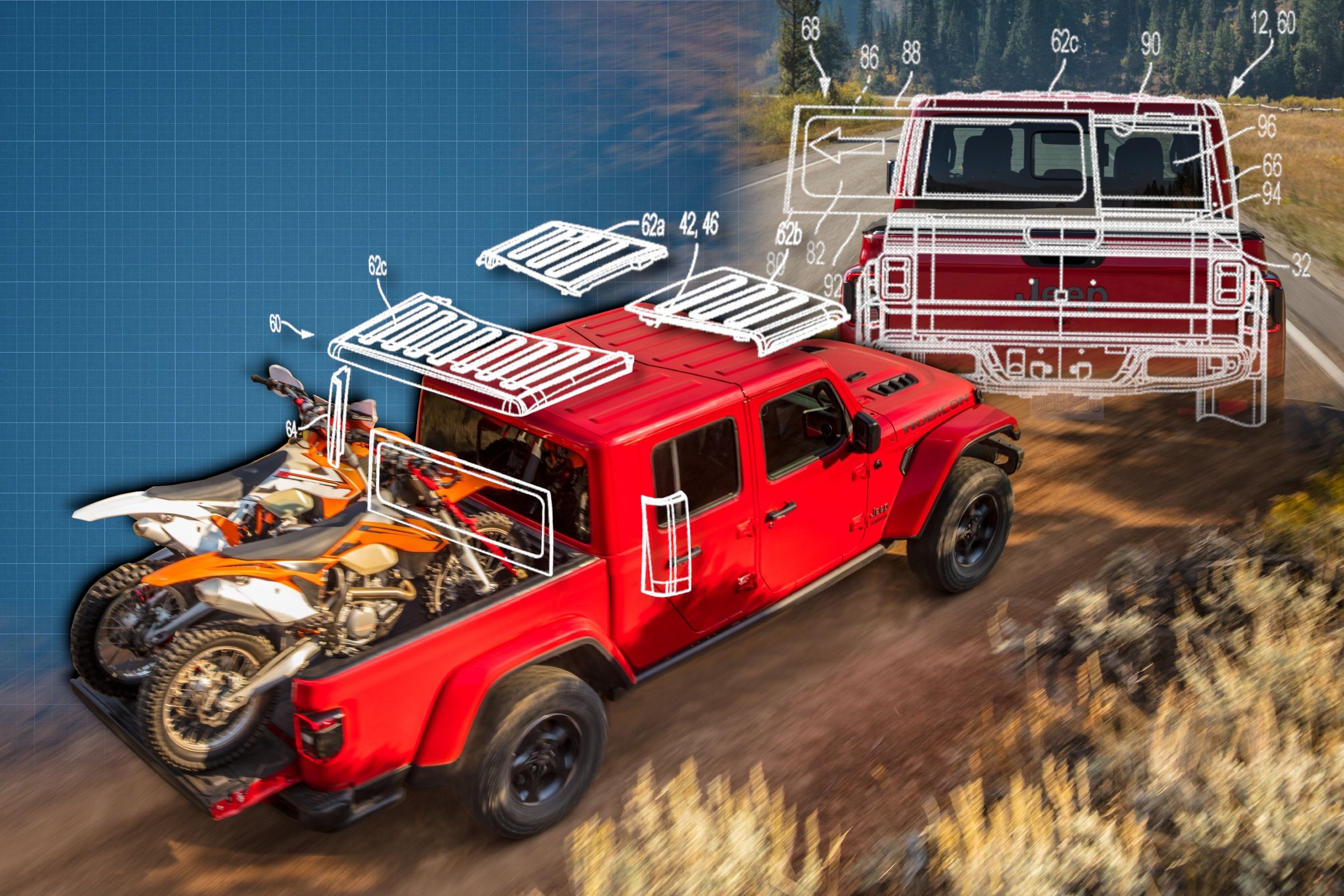
The Jeep Gladiator hard top has two front panels (called Freedom Panels) and a larger rear section.
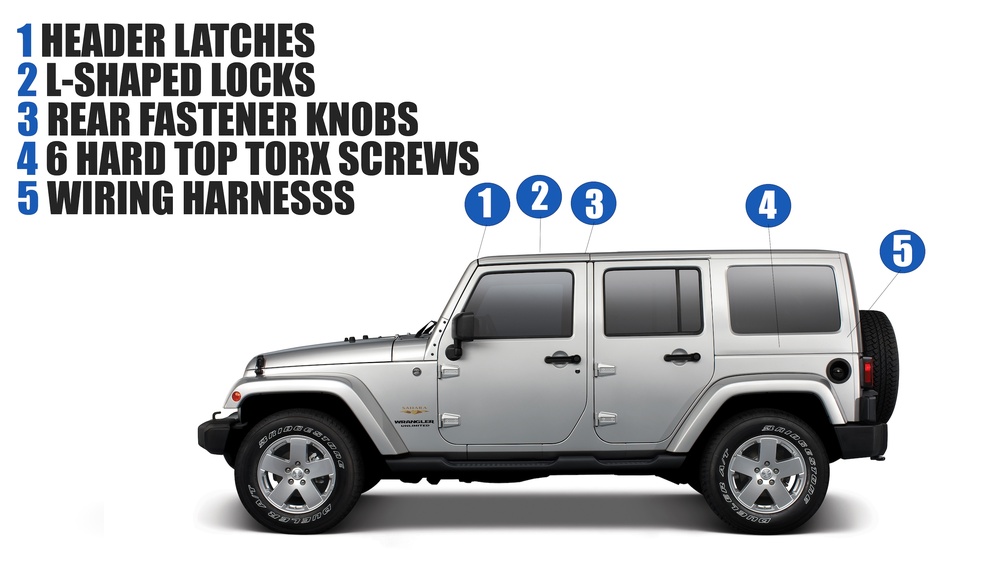
- Unlock the latches above the driver and passenger seats.
- Slide out and lift each panel. Place them on a soft surface to avoid scratches.
2. Disconnect Electrical And Washer Connections
Before you remove the main top, disconnect the wiring and washer hose.
- Locate the wire harness and washer hose at the rear driver’s side.
- Press the release tab and gently pull apart.
- Place the connections aside, making sure they won’t get damaged.
3. Remove Bolts And Fasteners
There are several bolts securing the hard top to the body.
- Use the T50 Torx bit and ratchet to remove all bolts along the rear and sides.
- Keep bolts in a storage bag for later.
- Double-check—some Gladiator models have extra bolts near the roll bar.
4. Lift Off The Hard Top
The hard top is heavy (around 150 pounds). Two people are recommended, but it’s possible alone if you’re careful.
- With a helper: Each person stands on one side and lifts gently.
- Alone: Move slowly, using your legs—not your back—to lift.
- Carry the top to your storage area and rest it on soft towels.
5. Store The Hard Top Safely
Never leave the hard top directly on concrete or rough surfaces.
- Use soft cloths or a padded stand.
- Store in a dry place to avoid moisture damage.
Common Mistakes And How To Avoid Them
Removing the hard top seems simple, but many owners make mistakes that can lead to damage or injury.
| Mistake | Consequence | How to Avoid |
|---|---|---|
| Forgetting to disconnect wires | Wire damage | Always check connections before lifting |
| Using wrong tools | Stripped bolts | Use correct Torx bit |
| Rushing the lift | Top scratches or injuries | Move slowly, use help |
| Improper storage | Top warping or cracking | Use padded stands |
Non-obvious tip: Many people forget to check for loose bolts after removing the hard top. Always inspect the area for any leftover hardware before driving.
Helpful Data And Real Examples
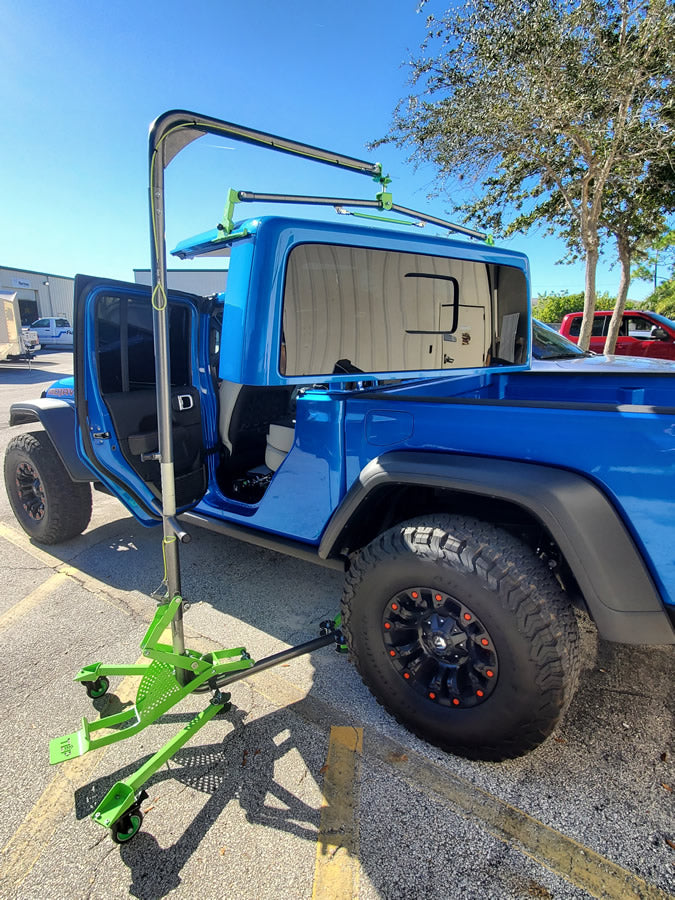
Jeep Gladiator hard tops weigh about 150 lbs. Many owners use a hoist system in their garage for easier removal and storage. Hoist systems cost between $150-$400 and can make solo removal much safer.
Here’s a comparison of removal methods:
| Method | Time Needed | Safety | Best For |
|---|---|---|---|
| Manual (2 people) | 15-25 minutes | High | Most owners |
| Manual (solo) | 25-40 minutes | Medium | Experienced owners |
| Hoist system | 10-15 minutes | Very high | Frequent removals |
Expert insight: If you plan to remove your hard top often, invest in a hoist. It reduces the risk of damage and injury.
Safety And Maintenance Advice
Always follow these safety tips:
- Wear gloves to protect your hands from sharp edges.
- Never force the top—if it’s stuck, check for missed bolts.
- Clean the seal areas before reinstalling the hard top.
- Inspect wiring and washer hoses for damage after removal.
Many Jeep Gladiator owners report small leaks after reinstalling the hard top. Make sure seals are clean and bolts are tight to avoid this problem.
Reinstallation Tips
When you’re ready to put the hard top back on:
- Align the top carefully before lowering.
- Reconnect all electrical and washer hoses.
- Tighten bolts to factory specs (don’t overtighten).
- Test all connections—lights and wipers should work.
Pro tip: Mark bolt positions with colored tape before removal. This makes reinstalling much faster and prevents mistakes.
Frequently Asked Questions
How Heavy Is The Jeep Gladiator Hard Top?
The Gladiator hard top weighs about 150 pounds. It’s possible to lift with two people, but a hoist system is safer and easier.
Can I Remove The Hard Top Alone?
Yes, but it’s difficult. Use a hoist or ask for help. Solo removal increases the risk of dropping or damaging the top.
What Tools Do I Need?
You need a T50 Torx bit, a ratchet wrench, and storage bags for bolts. Gloves and soft cloths are also recommended.
Will Removing The Hard Top Void My Warranty?
No, removing the hard top will not void your warranty. Jeep designs the Gladiator for easy top removal. Just follow proper steps.
Where Can I Find Official Instructions?
Check the Jeep Gladiator owner’s manual or visit the official Jeep site: Jeep Gladiator Official Site.
Removing your Jeep Gladiator hard top opens up new driving experiences and lets you customize your vehicle. With careful preparation and the right tools, you can do it safely and efficiently. Remember to store the top properly and check all connections before hitting the road.