Getting into your Jeep Gladiator and starting it with a key may sound simple, but every vehicle has its own process and small details that can help or hinder a smooth start. Many drivers, especially those new to the Gladiator or coming from vehicles with push-button ignition, have questions about the key-start process. This guide explains each step, common mistakes, and how to avoid getting stuck in the parking lot.
Understanding Your Jeep Gladiator Key Types
The Jeep Gladiator typically comes with one of two key types:
- Standard mechanical key – A metal key you insert and turn.
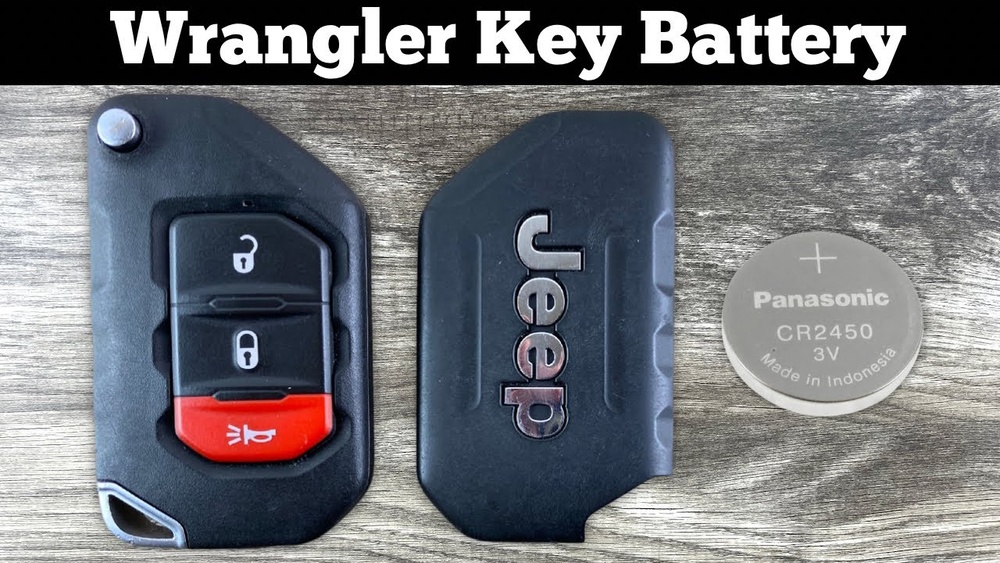
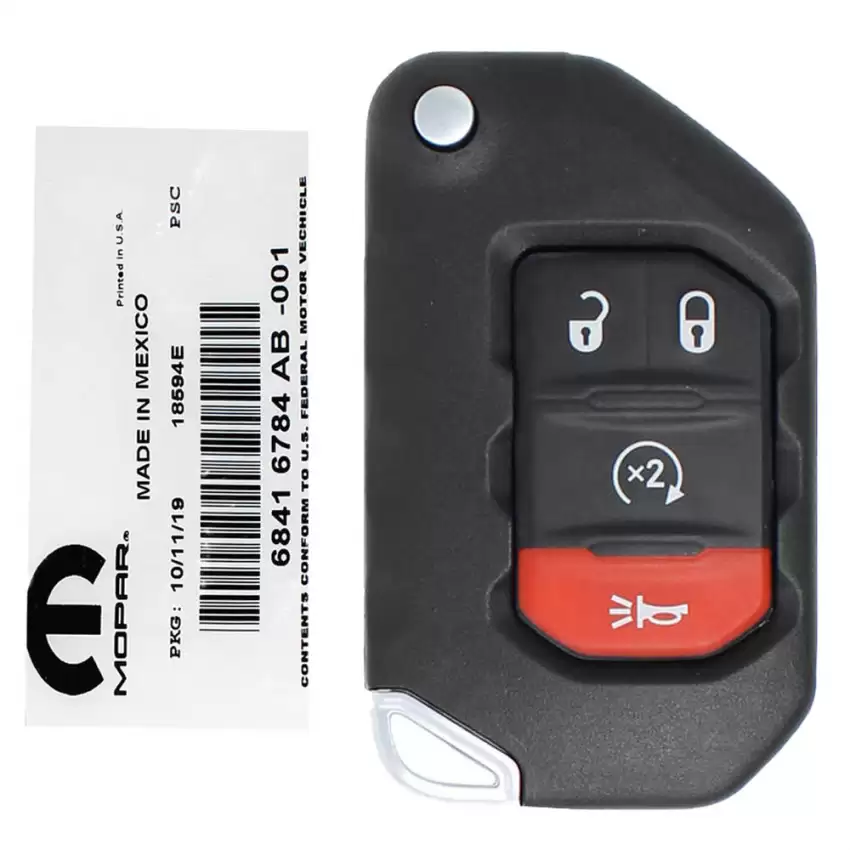
- Key fob with remote start – Used in newer trims, which may include a hidden physical key inside the fob.
Knowing which type you have is important. If you’re not sure, check your owner’s manual or ask your dealer.
Key Features Comparison
Here’s a quick comparison to help you identify your key:
| Key Type | Appearance | Special Features |
|---|---|---|
| Mechanical Key | Metal, with Jeep logo | Basic locking/unlocking |
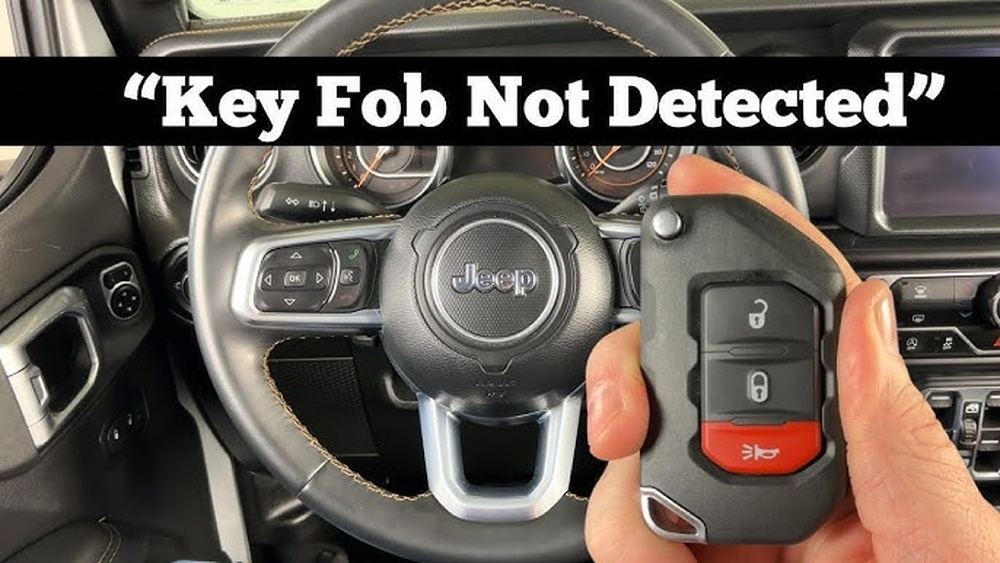
| Key Fob | Plastic, buttons, Jeep logo | Remote lock/unlock, panic, remote start (some models) |
Step-by-step Guide: Starting Your Jeep Gladiator With A Key
The process is easy, but attention to detail prevents common problems.
1. Check The Gear Selector
The transmission must be in Park (P) for automatic, or Neutral (N) for manual. The vehicle won’t start if it’s not in the correct position.
2. Insert The Key
For a mechanical key, insert it into the ignition slot located to the right of the steering wheel.
For a key fob with hidden key, press the small latch on the fob and pull out the physical key. Use it the same way as a standard key.
- Turn the Key
- First position: Accessories (radio, lights)
- Second position: On (dashboard lights up)
- Third position (crank): Turn and hold to start the engine
Release the key as soon as the engine starts.
4. Wait For Warning Lights
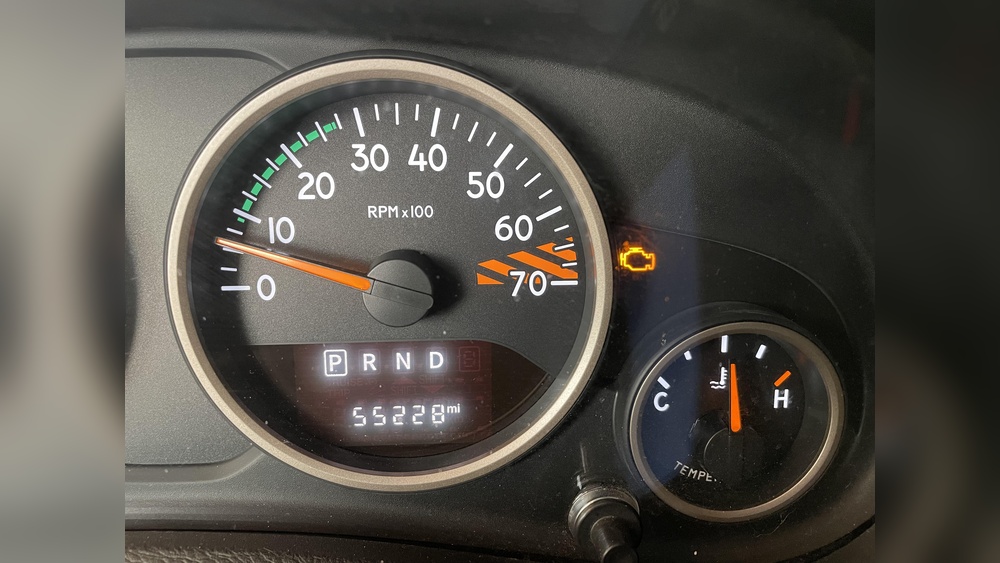
If dashboard lights (like the check engine or oil light) stay on after starting, do not drive. Address warnings first.
5. Check For Noise Or Vibration
A smooth start means the system is working well. Grinding or clicking sounds could signal a battery or starter problem.
Key Steps And Ignition Status
This table shows what each key turn position does:
| Key Position | Function | Dashboard Response |
|---|---|---|
| Off/Lock | All systems off | Dashboard dark |
| Accessory | Radio and power outlets | Some lights on |
| On/Run | All electronics ready | All warning lights appear |
| Start | Engine cranks | Engine light, then normal status |
Common Mistakes And How To Avoid Them
Even experienced drivers make small mistakes that can prevent starting:
- Not pressing the brake/clutch: For automatics, press and hold the brake pedal. For manuals, the clutch pedal must be fully depressed.
- Turning the key too long: If the engine doesn’t start in 5 seconds, stop, wait 10 seconds, then try again. Holding too long can damage the starter.
- Dead battery in key fob: If your fob battery is dead, use the hidden key. For fob-based ignition, some models allow holding the fob near the start button to override the dead battery.
What To Do If The Jeep Gladiator Won’t Start
Sometimes, your Jeep Gladiator may not start even if you follow the steps. Here’s what to check:
1. Battery Charge
Weak or dead batteries are a common cause. Look for dim lights or no dash activity.
2. Key Recognition Issues
The vehicle’s anti-theft system may not recognize your key if it’s damaged.
3. Starter Or Ignition Problems
Clicking or grinding noises signal possible starter failure.
4. Fuel System
Low fuel or bad fuel pumps can prevent starting.
If you’re stuck, try jump-starting your vehicle, or use your spare key if you suspect a key problem. Still no luck? It’s time to call a professional.
Practical Tips For Reliable Starting
- Keep your keys dry and free from damage. Water can affect the chip inside fobs.
- Change the key fob battery every 2-3 years. Most use a common CR2032 coin cell.
- Avoid heavy keychains. Extra weight can wear out the ignition switch over time.
- Don’t force the key. If it doesn’t turn, wiggle the steering wheel gently to release the lock.
Some drivers may wonder how starting with a key compares to using a push-button system. Here’s a quick comparison:
| Feature | Key Start | Push-Button Start |
|---|---|---|
| Physical Key Required | Yes | No (fob only) |
| Starter Longevity | Manual control | Automatic timing |
| Anti-Theft Features | Key chip | Fob proximity |
| Battery Dependency | Minimal | High (fob battery) |
When To Get Help
If you notice any of these signs, professional help is needed:
- The key is stuck and won’t turn at all.
- The engine cranks but doesn’t start.
- The security light blinks rapidly.
- Smoke or burning smell from ignition.
Never try to force the key or tamper with the ignition switch. This can lead to expensive repairs.
Frequently Asked Questions
Slide the small latch on your key fob and pull out the metal key. Use this to unlock the door and start the vehicle in the traditional way.
What Should I Do If My Jeep Gladiator Key Won’t Turn?
Check if the steering wheel is locked. Gently turn the wheel left or right while turning the key. If it still won’t turn, the ignition cylinder may be faulty.
Can I Start My Jeep Gladiator If The Key Fob Battery Is Dead?
Yes, remove the physical key and start as usual. For models with keyless start, hold the fob close to the start button; the vehicle may recognize the fob via its RFID chip.
Why Does My Jeep Gladiator Not Recognize My Key?
This can happen if the key or fob is damaged or if there is interference from other electronics. Try your spare key or replace the fob battery. If the problem continues, see your dealer.
Where Can I Find The Official Jeep Gladiator Owner’s Manual?
You can access the manual online at the official Jeep Owner’s Manual site for the most accurate and up-to-date information.
Starting your Jeep Gladiator with a key is simple when you know the steps and pay attention to details. With a little care, you’ll avoid most common problems and keep your adventures running smoothly. If you ever face issues, don’t hesitate to get professional help—staying safe always comes first.