Storing a Jeep Wrangler hard top is not just about making space in your garage. It’s about protecting your investment, keeping it safe from damage, and making sure it’s ready for next season. Many Wrangler owners struggle with hard top storage because the top is heavy, expensive, and can be easily scratched or cracked if handled wrong. Whether you’re switching to a soft top for summer or need to keep your hard top safe through winter, the right storage method can make a big difference.
Why Proper Storage Matters
A Jeep Wrangler hard top can cost $2,000 or more to replace. Even small scratches or cracks can affect the look, resale value, and weather protection. Moisture, sunlight, and bumps can all cause damage over time. Poor storage is a common mistake—many owners leave their hard top on the floor or lean it against a wall, which risks cracks and scratches.
Storing your hard top the right way keeps it in top condition for years. It also frees up space and makes reinstalling easier when the weather changes.
Preparing Your Hard Top For Storage
Before you store your hard top, you need to prepare it. Skipping these steps is one of the biggest mistakes new owners make.
- Clean thoroughly: Use a mild soap and water to wash the exterior and interior. Avoid harsh chemicals, which can damage the finish.
- Dry completely: Moisture leads to mold and mildew. Use towels and let it air dry fully.
- Check for damage: Look for cracks, scratches, or loose parts. Fix these before storing to avoid worsening the damage.
- Remove hardware: Take off bolts, latches, and seals. Store them in a labeled bag or box so you don’t lose them.

Choosing The Best Storage Location
Where you store your hard top is just as important as how you store it. The wrong environment can cause fading or warping.
| Location | Pros | Cons |
|---|---|---|
| Garage | Safe from weather, easy access | Requires space, risk of bumps |
| Basement | Stable temperature, less sunlight | Difficult to move top, moisture risk |
| Outdoor Shed | Out of the way, frees garage space | Needs good insulation, security risk |
Key factors: Pick a spot with stable temperature, low humidity, and minimal sunlight. Direct sunlight can fade the paint and seals. Damp areas can cause mold.
Storage Methods: Pros And Cons
There are several ways to store a Jeep Wrangler hard top. Each method has unique benefits and challenges.
| Method | Cost | Ease | Protection |
|---|---|---|---|
| Hard Top Stand | $100-$250 | Easy | Good |
| Hoist System | $150-$400 | Moderate | Excellent |
| DIY Padding | $30-$80 | Easy | Fair |
Hard Top Stand
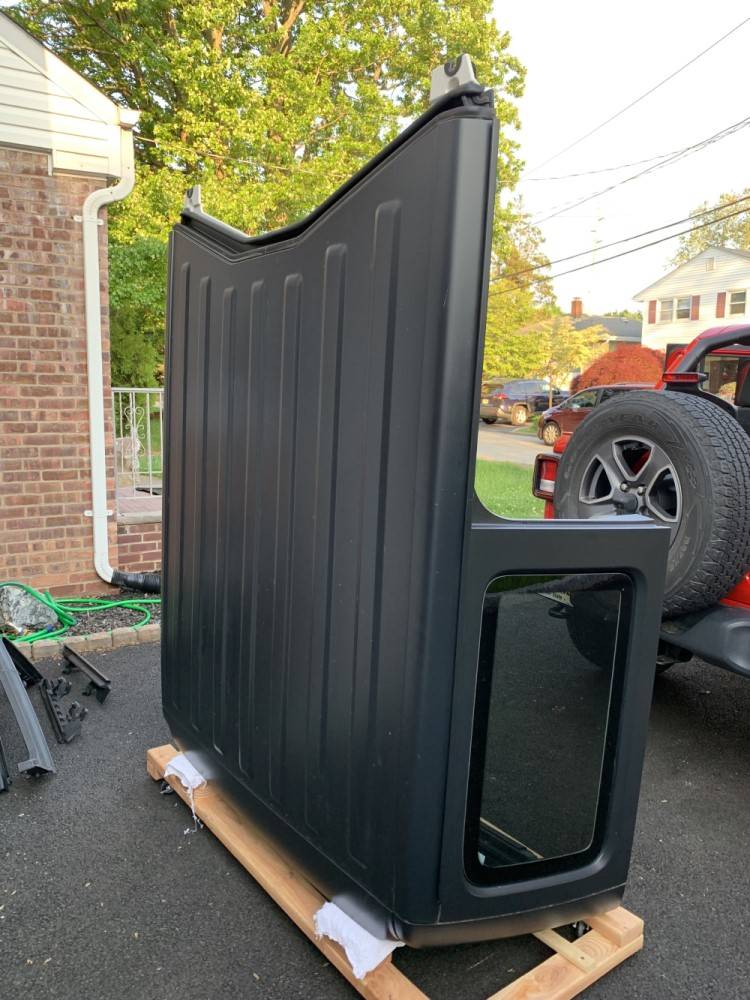
A hard top stand is a simple frame that keeps the top upright. Most stands have wheels, making it easy to move the top around. They hold the top off the ground and prevent scratches. Stands are ideal for garages with extra space.
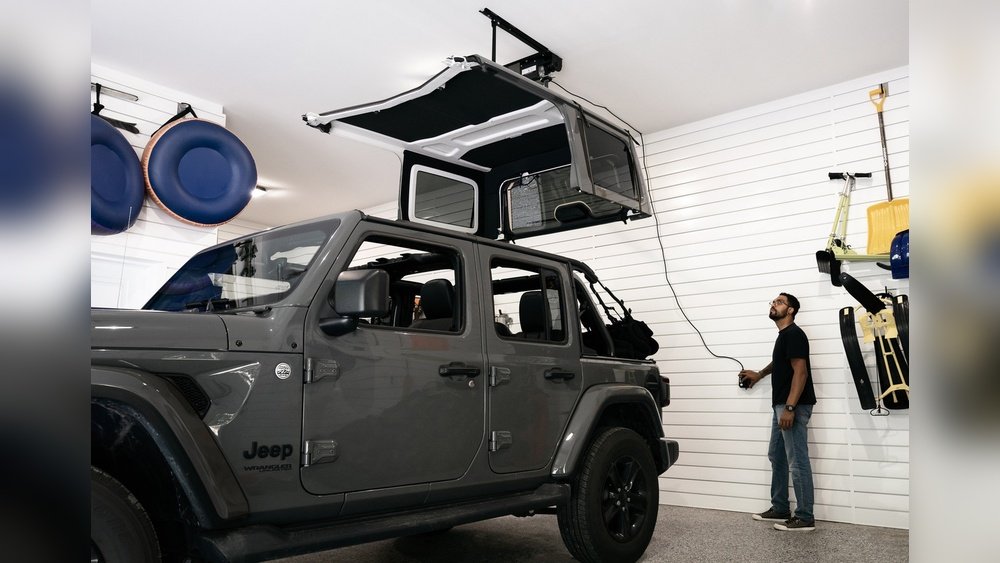
Hoist System
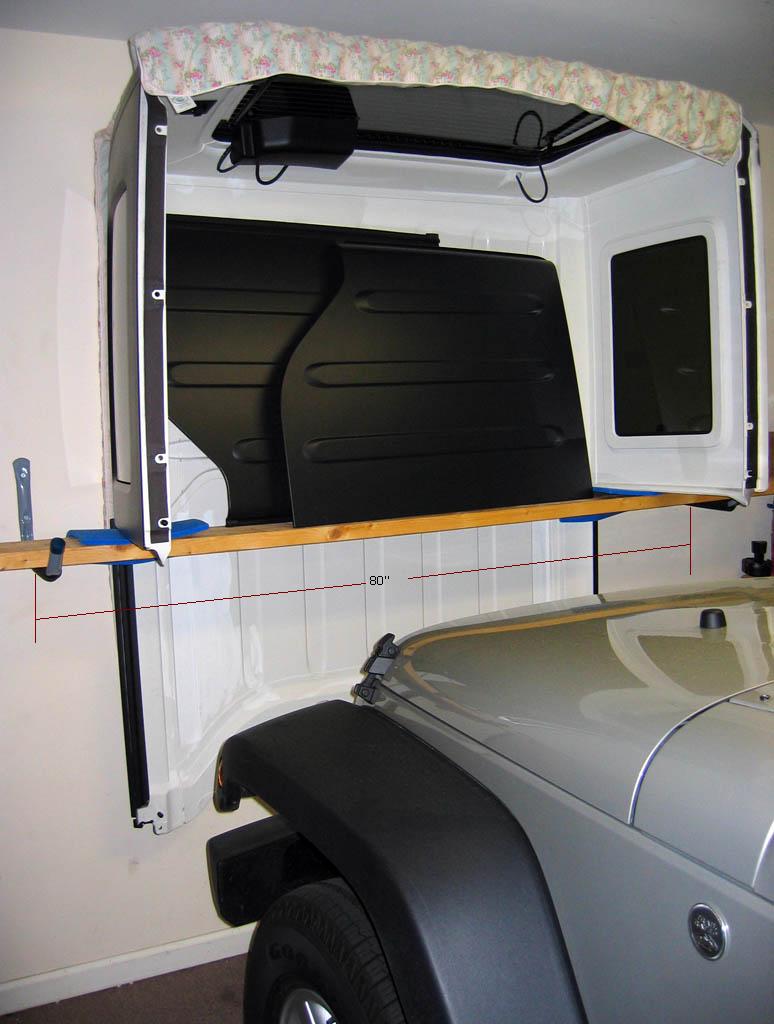
A hoist system lifts the hard top up to the ceiling. This saves floor space and keeps the top safe from bumps. Hoists require installation but are perfect for small garages. Some systems let you remove the top by yourself, but always check the weight limit.
Diy Padding
For a budget solution, use thick blankets or foam pads to protect the top. Lay it flat or upright, but never lean it sharply against a wall. Make sure the padding covers every corner and edge. This method is cheap but offers less security.
Step-by-step Storage Guide
- Prepare your workspace: Clear the area, gather tools, and have padding ready.
- Remove the hard top: Use two people. It weighs about 120 pounds. Don’t force it or drag it.
- Place on stand or hoist: Secure the top so it won’t tip or slide.
- Cover for dust protection: Use a breathable cover. Avoid plastic, which traps moisture.
- Store hardware separately: Keep bolts and latches together in a labeled container.
- Check regularly: Inspect for dust, moisture, or pests every few weeks.
Common Mistakes To Avoid
- Leaning against walls: Can cause cracks and paint chips.
- Storing outdoors uncovered: Risks sun and water damage.
- Using plastic covers: Traps moisture, leading to mold.
- Forgetting hardware: Losing bolts and seals can delay reinstalling.
Most beginners overlook the importance of checking the top during storage. Dust, mice, and humidity can cause problems even in a safe spot.
Practical Tips And Insights
- Label everything: Use bags and labels for hardware. This saves hours when reinstalling.
- Avoid stacking: Never put items on top of the hard top.
- Consider insurance: If your hard top is stored off-site, check your policy for coverage.
- Use a calendar reminder: Schedule monthly inspections.
- Get help: Don’t lift alone. The weight is awkward and can cause injury.
Many owners don’t realize that storing the top flat can warp the seals over time. Always store upright or suspended.
Frequently Asked Questions
How Heavy Is A Jeep Wrangler Hard Top?
A typical hard top weighs 120–140 pounds. Two people are needed to lift it safely.
Can I Store My Hard Top Outside?
Outdoor storage is risky. Sun, rain, and temperature changes can damage the top. If you must store outside, use a weatherproof, breathable cover and check often.
What’s The Best Way To Prevent Scratches?
Use foam pads or a hard top stand. Avoid direct contact with concrete or metal. Covers help, but padding is key.
How Often Should I Check The Stored Hard Top?
Inspect at least once a month for dust, moisture, and pests. This prevents long-term damage.
Where Can I Find Reliable Storage Products?
High-quality stands and hoists are available online or at automotive stores. For expert reviews and tips, visit ExtremeTerrain.
Storing your Jeep Wrangler hard top properly protects your investment and makes life easier when you’re ready to reinstall. With careful prep, the right storage spot, and smart tools, you can keep your hard top looking great for years. Avoid common mistakes and check regularly, and your Wrangler will be ready for every season.