Changing the oil in your Jeep Wrangler is a simple task that can save you money and keep your vehicle running smoothly. Many owners feel nervous about doing it themselves, but with the right tools and a clear step-by-step guide, anyone can handle this routine maintenance. Learning how to change the oil not only builds confidence but also helps you spot early problems before they get serious.
Tools And Materials Needed
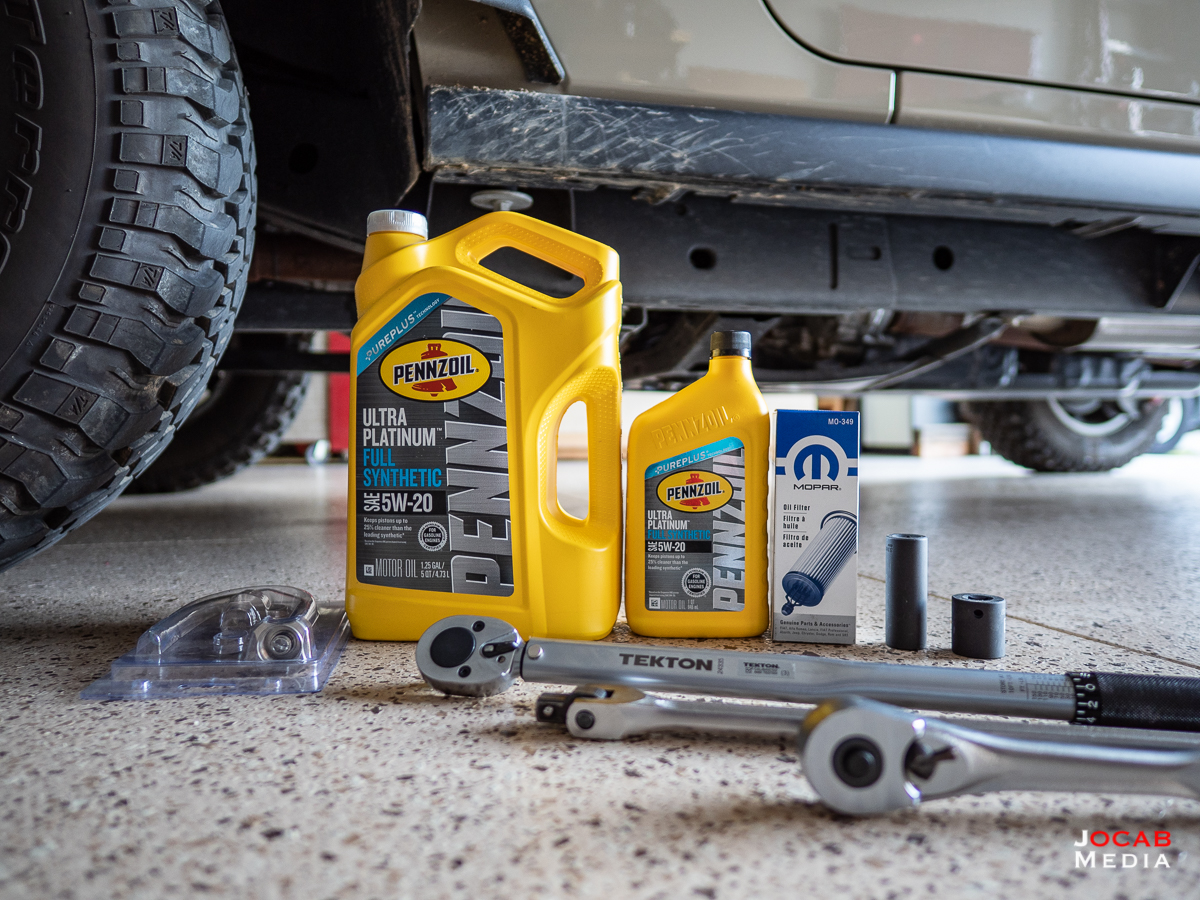
Before you start, gather these items:
- Socket wrench (usually 13mm or 15mm for the drain plug)
- Oil filter wrench
- Drain pan (at least 6 quarts capacity)
- Funnel
- Jack and jack stands (or ramps)
- Gloves
- Clean rags
- New oil filter
- New engine oil (check your owner’s manual for type and amount, usually 5W-20 or 5W-30, around 5 quarts for most models)
Always check your Wrangler’s manual for the exact oil type and filter model. Using the wrong oil can harm your engine and reduce performance.
Step-by-step Oil Change Process
Changing your oil involves more than just draining and refilling. Follow these clear steps:
- Warm Up the Engine: Start your Jeep and let it run for about five minutes. Warm oil drains faster and removes more dirt.
- Secure the Vehicle: Park on a flat surface, engage the parking brake, and use jack stands or ramps for safety.
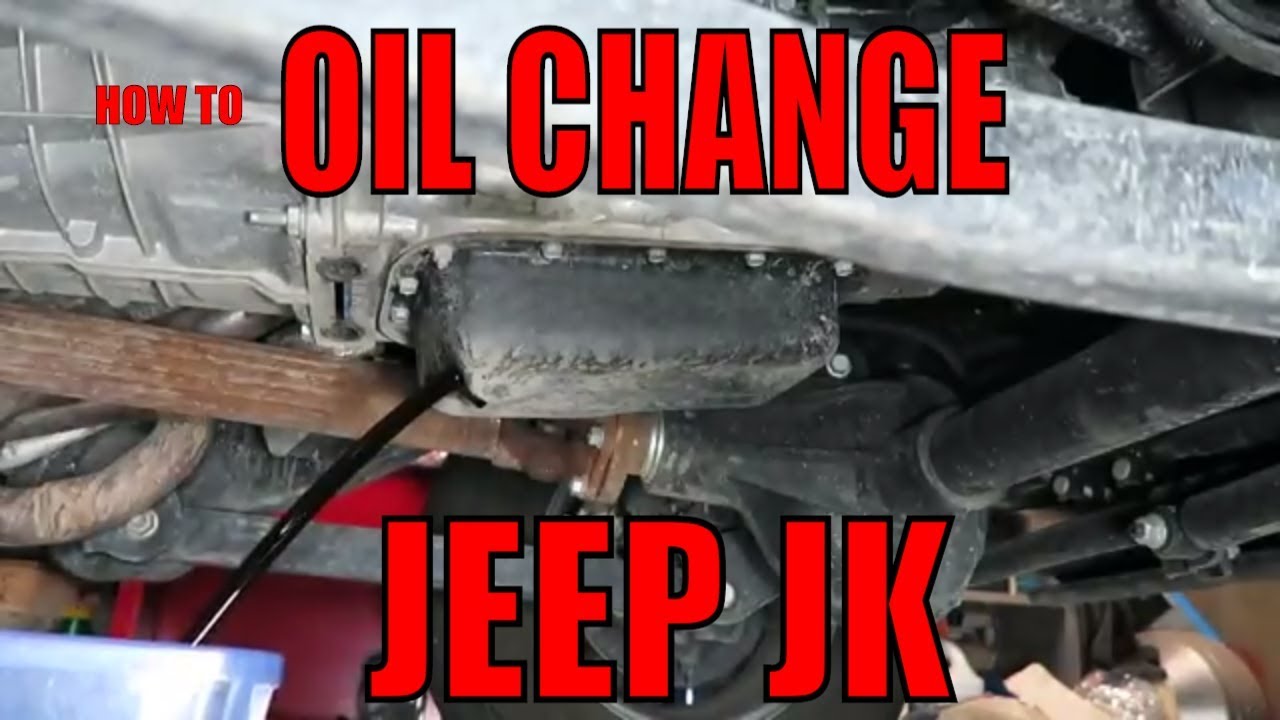
- Locate the Oil Drain Plug: Find it under the engine, usually at the bottom of the oil pan.
- Position the Drain Pan: Place it directly under the plug to catch all the oil.
- Remove the Drain Plug: Use your socket wrench. Be careful—hot oil can spill quickly. Let all oil drain out.
- Replace the Drain Plug: Clean the plug and oil pan area. Tighten the plug securely but don’t over-torque.
- Remove and Replace the Oil Filter: Use your oil filter wrench. Some oil will spill, so keep the drain pan nearby. Lubricate the new filter’s gasket with a bit of fresh oil.
- Install the New Oil Filter: Screw it on hand-tight. Don’t use the wrench to tighten—over-tightening can cause leaks.
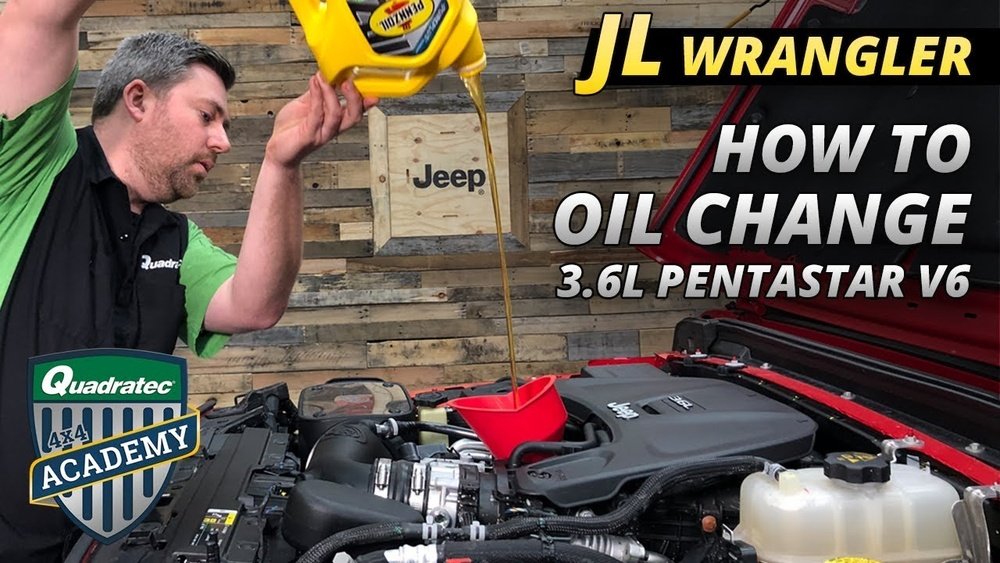
- Add New Oil: Use your funnel and pour in the correct amount. Check the dipstick to ensure you’re at the right level.
- Run the Engine and Check for Leaks: Start the Jeep, let it run for a minute, and check under the vehicle for any leaks.
- Dispose of Old Oil Properly: Never pour used oil down the drain. Take it to a recycling center or auto shop.
Typical Oil Change Specs For Jeep Wrangler
Here’s a quick comparison of oil specs for common Jeep Wrangler engines:
| Engine Type | Oil Capacity (quarts) | Recommended Oil |
|---|---|---|
| 3.6L V6 | 5 | 5W-20 |
| 2.0L Turbo | 5 | 5W-30 |
| 3.8L V6 | 6 | 5W-20 |

Why Regular Oil Changes Matter
Changing your Jeep’s oil every 5,000 to 7,500 miles is critical for engine health. Old oil can cause:
- Poor performance
- Higher fuel consumption
- Engine damage
Ignoring oil changes is one of the top causes of expensive repairs. Fresh oil keeps parts lubricated and prevents overheating. For drivers who take their Wrangler off-road or drive in dusty conditions, oil changes may be needed more often.
Symptoms Of Needing An Oil Change
Look out for:
- Dark, dirty oil on the dipstick
- Engine noise or knocking
- Oil change light on the dashboard
- Low oil level
These signs suggest it’s time for a change, even if you haven’t reached the mileage interval.
Common Mistakes To Avoid
Many beginners make simple mistakes that can lead to leaks or damage:
- Over-tightening the drain plug: This can strip threads or crack the oil pan.
- Forgetting the oil filter gasket: Always check the old filter—if the gasket sticks, the new filter won’t seal.
- Adding too much oil: Too much oil can cause pressure issues and leaks.
- Using the wrong oil type: Always check your manual or trusted sources.
- Not checking for leaks: Run the engine after the change and inspect for drips.
Here’s a quick table showing the impact of common mistakes:
| Mistake | Possible Outcome |
|---|---|
| Over-tightening plug | Damaged oil pan, expensive repair |
| Missing filter gasket | Oil leaks, engine damage |
| Wrong oil type | Poor lubrication, reduced engine life |
| Too much oil | Seal failure, leaks |
Practical Tips For A Smooth Oil Change
- Lay out all tools before starting to avoid scrambling mid-task.
- Wear gloves—used oil can irritate skin.
- Use a high-quality oil filter. Cheap filters can fail early.
- Check the oil level twice: Once after filling, and again after running the engine.
- Record the mileage and date after each oil change.
Beginners often forget to reset the oil change indicator—refer to your manual to do this properly.
How Oil Changes Affect Jeep Warranty
Most Jeep warranties require regular oil changes using approved oil and filters. Keep receipts or log your maintenance, especially if you do it yourself. If you skip oil changes, you risk losing warranty coverage for engine problems.
For more details on Jeep maintenance schedules, you can visit the official Jeep Vehicle Care page.
Frequently Asked Questions
How Often Should I Change Oil In My Jeep Wrangler?
Most models need an oil change every 5,000 to 7,500 miles. Check your manual for details, especially if you drive off-road or in harsh conditions.
What Type Of Oil Does My Jeep Wrangler Need?
The most common types are 5W-20 or 5W-30. Your engine size decides which is best. Always use oil that meets Jeep’s quality standards.
Can I Use Synthetic Oil?
Yes, synthetic oil is safe and often better for modern engines. It lasts longer and handles high temperatures well. Many Jeep owners switch to synthetic for better protection.
What Happens If I Skip Oil Changes?
Skipping oil changes leads to engine wear, poor performance, and possible breakdowns. Dirty oil can clog passages and cause overheating.
How Do I Dispose Of Used Oil?
Never dump oil in the trash or down a drain. Take it to a recycling center or a local auto parts store. Used oil is toxic and pollutes water and soil.
Taking care of your Jeep Wrangler doesn’t have to be difficult. Changing the oil yourself saves money, teaches you about your vehicle, and keeps your engine healthy. With the right tools and a careful approach, you can complete this routine job safely and confidently.