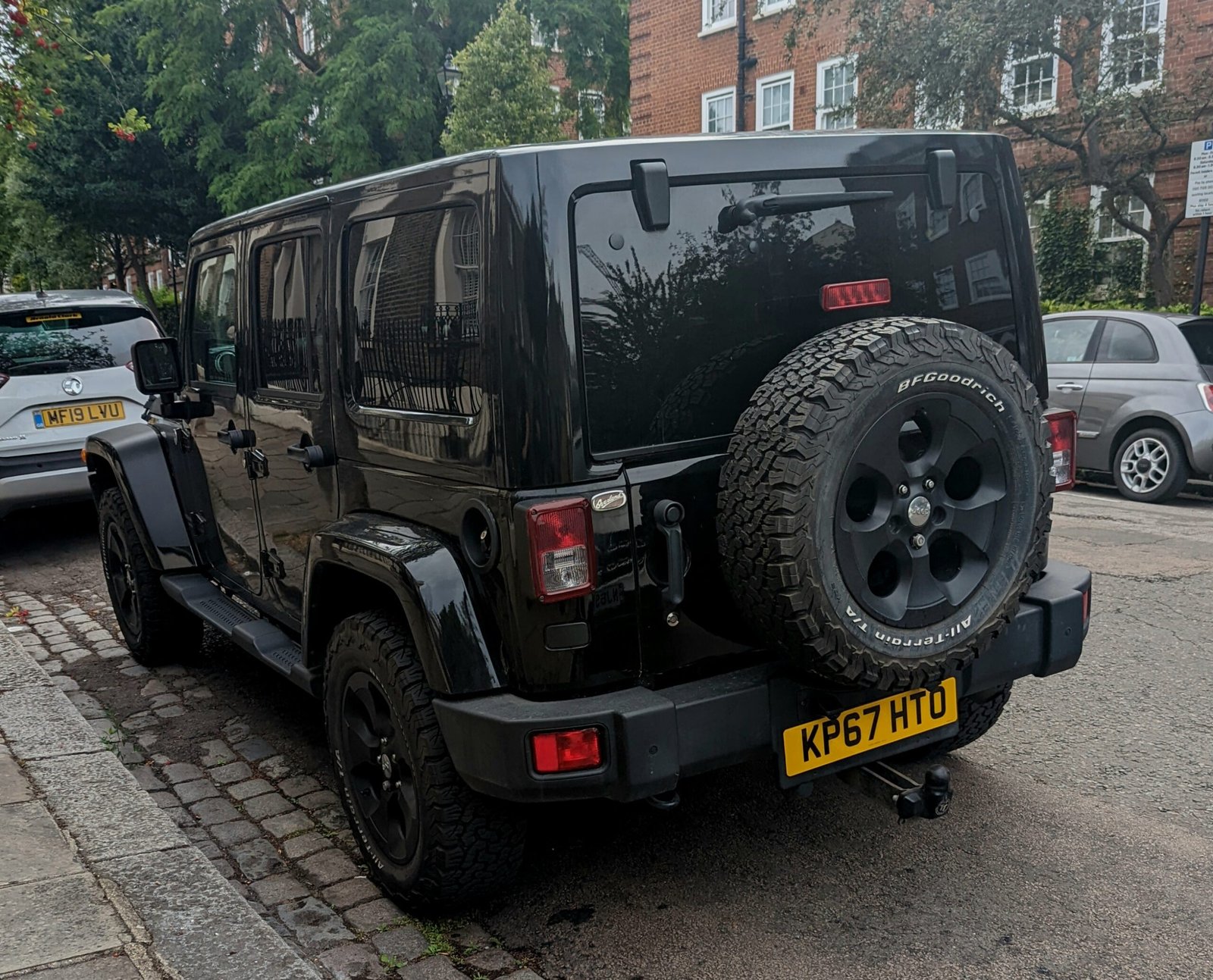
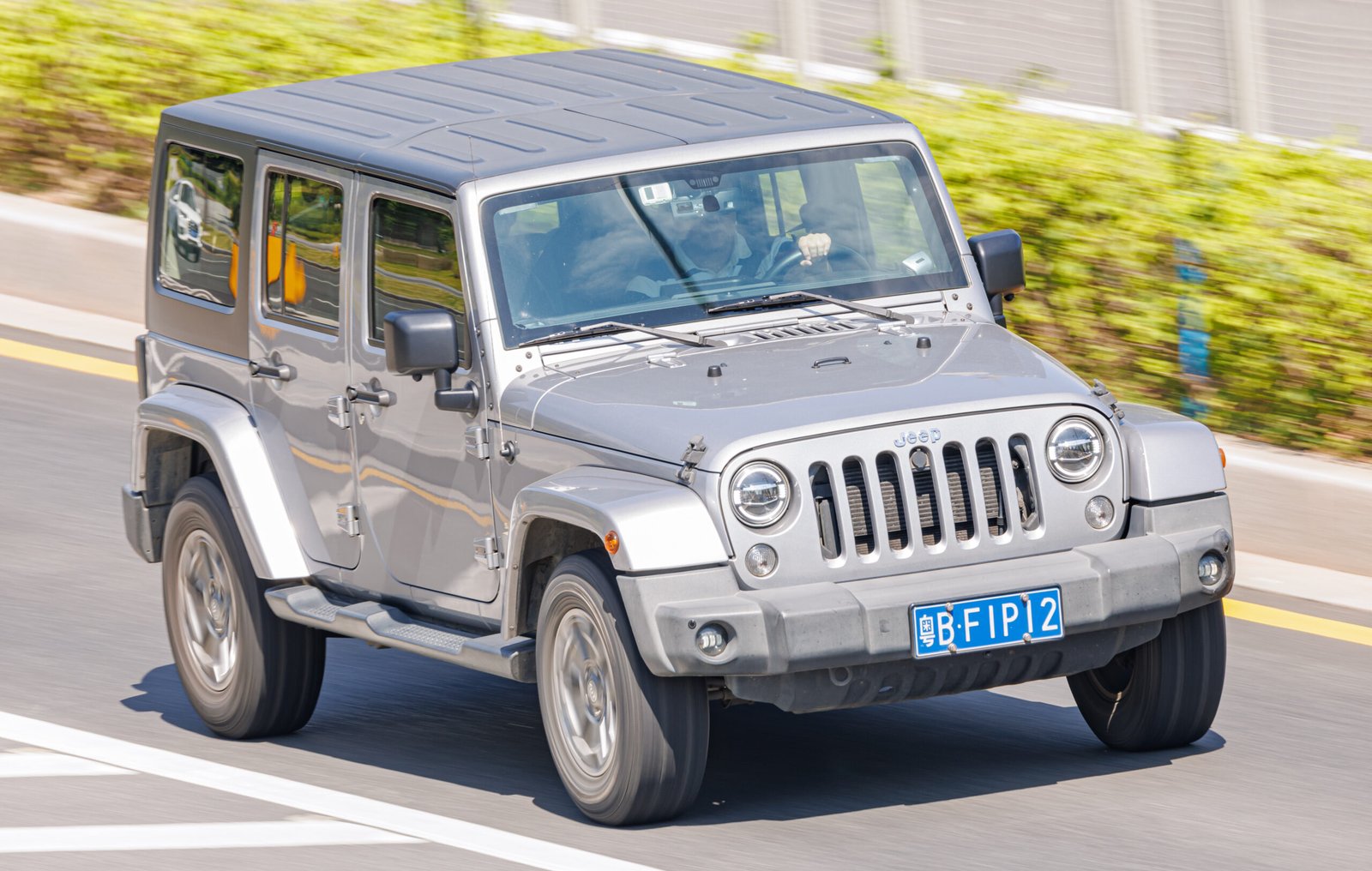
Resetting the tire pressure sensor on a Jeep Wrangler is a task many drivers face, especially after changing tires, rotating wheels, or noticing a warning light on the dashboard. Keeping your tire pressure monitoring system (TPMS) in good condition helps you drive safely and save fuel. If you’re unsure how to reset the sensor or why it matters, you’re not alone. Many beginners overlook simple steps that can save time and frustration. Let’s break down everything you need to know, using clear instructions and helpful tips.
What Is A Tire Pressure Sensor?
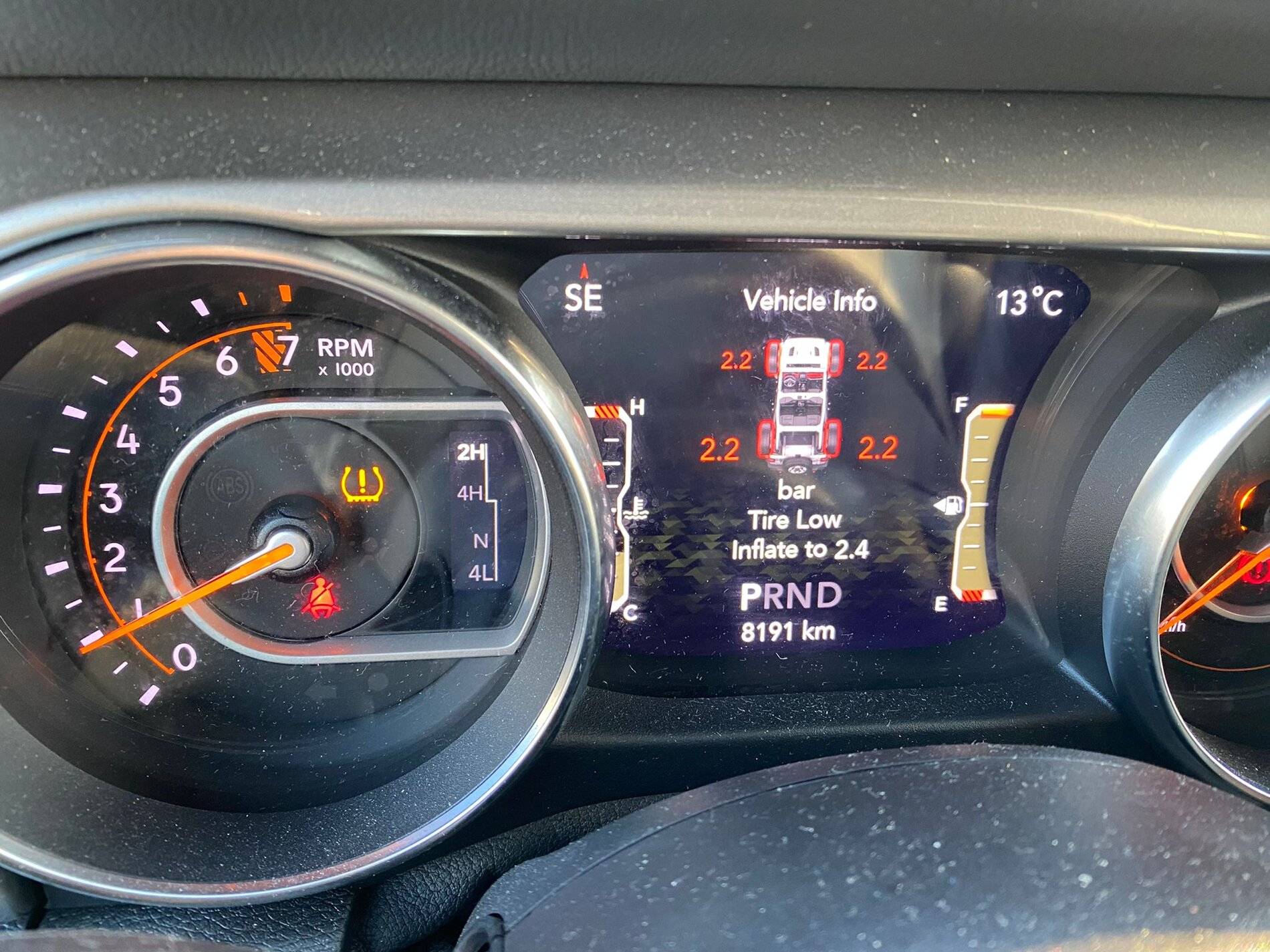
A tire pressure sensor is a small device inside each tire. It checks the air pressure and sends information to your car’s computer. If the pressure drops below a safe level, the TPMS warning light appears on the dashboard. This system became standard on most vehicles after 2008.
Types Of Tire Pressure Sensors
| Sensor Type | Description | Common Use |
|---|---|---|
| Direct TPMS | Sensor inside wheel measures actual pressure | Jeep Wrangler, modern SUVs |
| Indirect TPMS | Uses ABS system to estimate tire pressure | Older models, some economy cars |
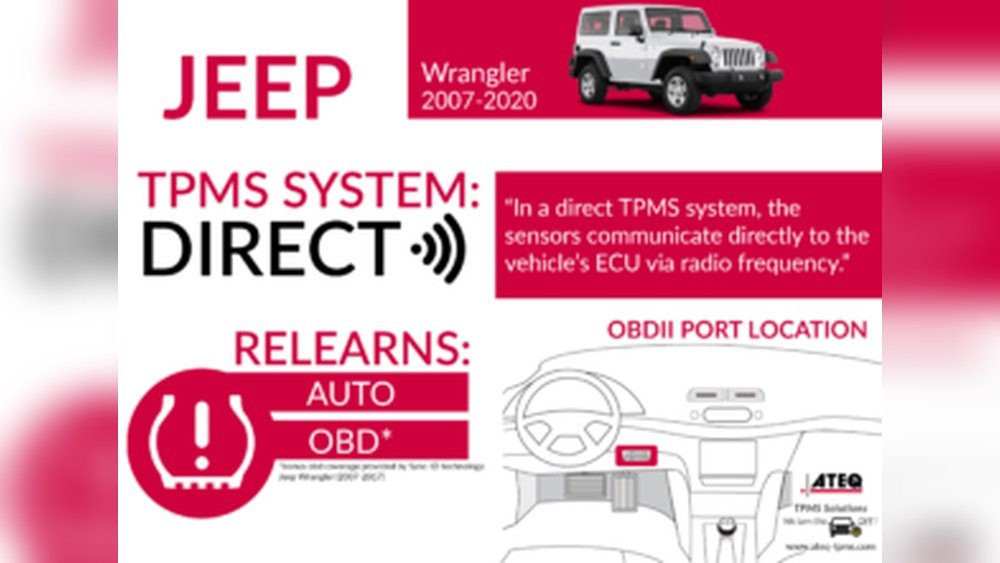
Most Jeep Wranglers use direct TPMS. This means each wheel has a sensor that communicates wirelessly with the vehicle.
Why Reset The Tire Pressure Sensor?
Resetting the sensor is important after:
- Changing tires or wheels
- Rotating tires
- Adjusting tire pressure
- Replacing a TPMS sensor
If you don’t reset, the warning light may stay on, even if your tires are fine. This can lead to confusion and missed real issues.
Possible Issues If Not Reset
- False warnings: You may ignore a real problem, thinking it’s just a sensor error.
- Reduced fuel efficiency: Incorrect readings can make you drive with low pressure.
- Uneven tire wear: If the system doesn’t update, you may not notice a problem until it’s too late.
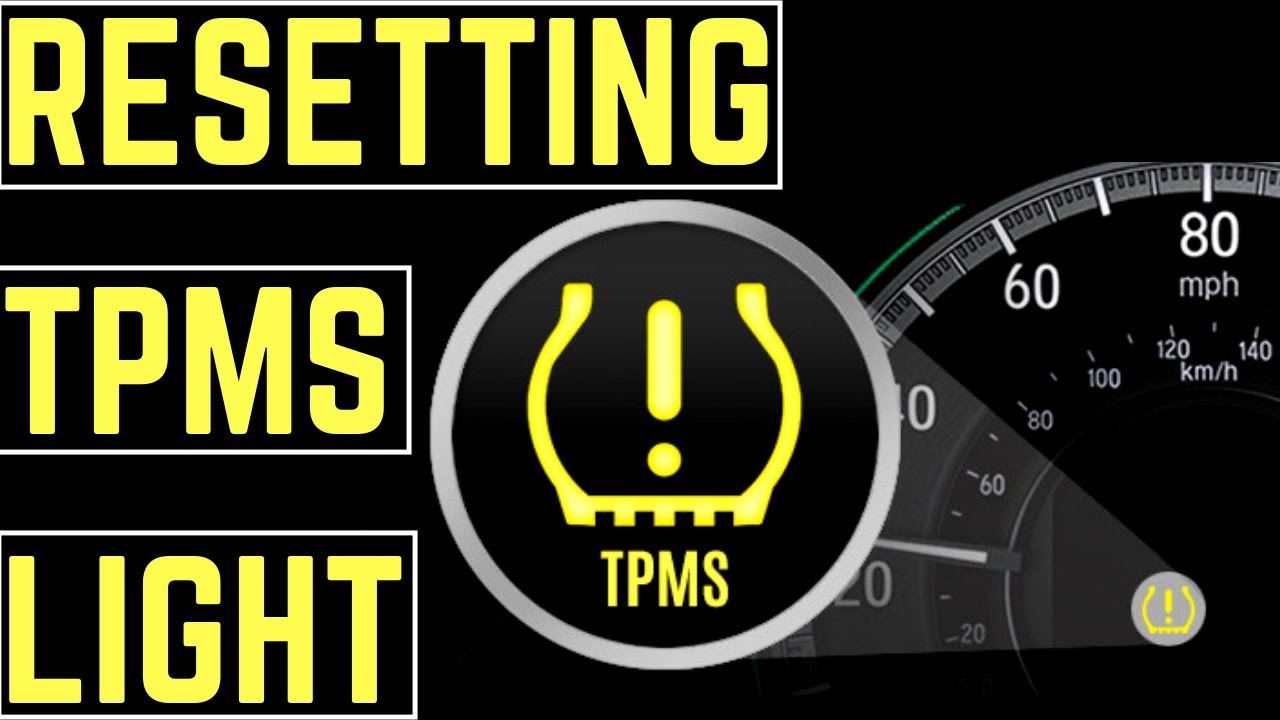
Step-by-step: How To Reset Tire Pressure Sensor Jeep Wrangler
Resetting your Jeep Wrangler’s TPMS is simple but must be done correctly. Here’s a practical guide:
- Check tire pressure: Use a reliable gauge and compare each tire’s pressure to the manufacturer’s recommended level (usually found inside the driver’s door).
- Inflate or deflate as needed: Adjust each tire to match the recommended PSI (pounds per square inch).
- Drive the vehicle: Most Jeep Wranglers reset the sensor after driving for about 10-20 minutes at speeds above 15 mph.
- Watch the dashboard: The TPMS warning light should turn off after a short drive. If it stays on, there may be another issue.
Some newer Wranglers have a menu on the dashboard:
- Turn the ignition to ON (do not start the engine).
- Use the steering wheel controls to find the TPMS reset option.
- Press and hold the reset button until the TPMS light blinks.
- Wait a few minutes, then start the car and drive.
Manual Reset Vs. Sensor Replacement
| Method | When to Use | Time Required |
|---|---|---|
| Manual Reset | After adjusting tire pressure or rotating tires | 10-20 minutes |
| Sensor Replacement | When sensor is broken or battery is dead | Up to 1 hour |
If manual reset fails, the sensor may need replacement. A Jeep dealer or professional mechanic can do this.
Common Mistakes When Resetting Tpms
Many beginners miss these simple points:
- Ignoring the recommended PSI: Always use the number inside the driver’s door, not the tire sidewall.
- Resetting before adjusting pressure: The system only resets if tires are at the correct PSI.
- Not driving long enough: The sensor needs about 10-20 minutes of driving to update.
- Mixing sensor types: Using wheels with different TPMS types may confuse the system.
Example: Real-world Jeep Wrangler Psi
Most Jeep Wranglers recommend 35 PSI for standard tires. Check your specific model, as some off-road tires need different pressure.

Troubleshooting Tpms Problems
If the TPMS light stays on after resetting, try these steps:
- Check all tires, including the spare. Some Wranglers have sensors in the spare tire.
- Inspect for damage or leaks. Even small punctures can cause pressure loss.
- Use a scan tool (available at auto shops) to read TPMS codes.
- Replace the sensor if it’s broken or battery is dead.
Tpms Sensor Battery Life
Most TPMS sensors last 5-10 years. If your Wrangler is older, the sensor battery may be weak. Replacement is often needed after a decade.
| Sensor Age | Chance of Failure |
|---|---|
| 1-3 years | Low |
| 4-7 years | Medium |
| 8-10 years | High |
Extra Tips For Jeep Wrangler Owners
- Always use a digital tire gauge for accuracy.
- Check tire pressure every month, not just when the light comes on.
- If you drive off-road, check pressure more often. Rocks and mud can damage sensors.
- Keep a spare sensor if you travel long distances.
Some beginners forget to check the spare tire, which often has a sensor too. This can trigger the TPMS light even if all four main tires are fine.
Frequently Asked Questions
How Long Does It Take To Reset The Tire Pressure Sensor?
Usually, it takes 10-20 minutes of driving above 15 mph for the sensor to reset. If the light stays on after this, check the tire pressure again.
Can I Reset The Tpms Without A Tool?
Yes. Most Jeep Wranglers reset automatically after driving. Tools are needed only for sensor replacement or advanced troubleshooting.
Where Do I Find The Recommended Tire Pressure?
Look inside the driver’s door. There’s a sticker showing the correct PSI for front, rear, and spare tires.
What If The Tpms Light Stays On After Resetting?
Check all tires, including the spare. If everything is correct, the sensor may be damaged or the battery may be dead. Seek help from a mechanic.
Do All Jeep Wranglers Have The Same Tpms System?
No. Older models may use different sensors or indirect systems. Always check your owner’s manual or visit the official Jeep site for details. For more information, visit Jeep Official Owners Site.
Keeping your Jeep Wrangler’s TPMS working is simple once you know the steps. A well-maintained system helps you drive safely, avoid costly repairs, and enjoy your vehicle with confidence. Take a few minutes to check and reset your sensors, and you’ll save time and money in the long run.