Owning a Jeep means loving adventure, but a rough ride or uneven tire wear can spoil your fun. Many Jeep drivers notice their steering feels off after hitting potholes, trail obstacles, or simply after long use. This usually points to misaligned wheels. If you’re wondering how to align a Jeep, you’re in the right place. This guide will help you understand alignment basics, show you step-by-step instructions, and highlight things most beginners overlook. With the right tools and know-how, you can enjoy a smoother, safer drive—on or off-road.
Why Jeep Alignment Matters
Proper wheel alignment is more than comfort. It affects safety, tire life, and handling. When your Jeep’s wheels aren’t aligned, the vehicle can pull to one side, vibrate, or even become harder to control. Misalignment also causes tires to wear out quickly and unevenly, costing you more in replacements.
Here’s a quick look at common symptoms of bad alignment:
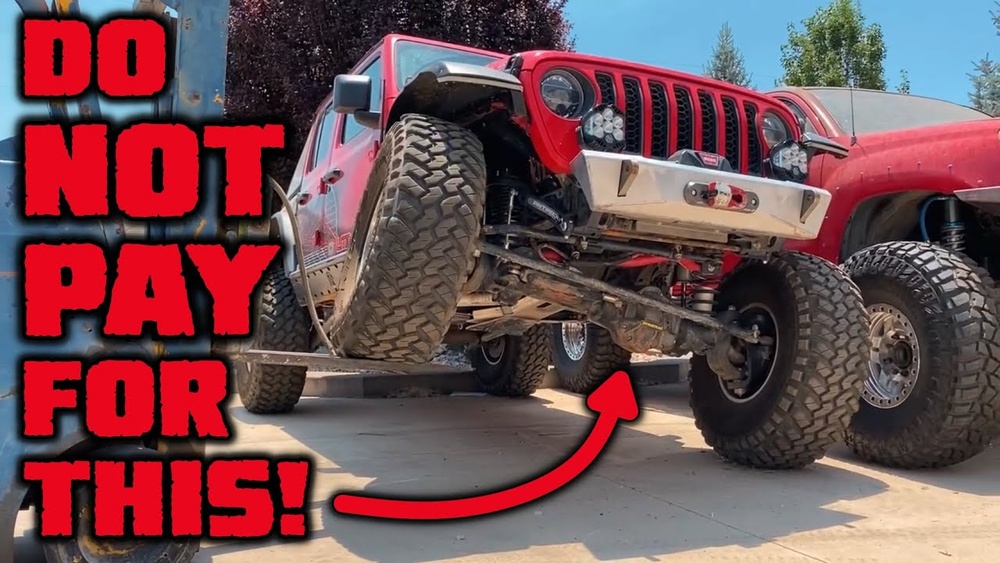
- Steering wheel off-center
- Uneven tire wear
- Vehicle pulling left or right
- Loose or shaky steering
Alignment is especially important for Jeep Wranglers, Cherokees, and other models used off-road, where suspension and steering often take more abuse.
Understanding Alignment Basics
Before adjusting anything, it’s helpful to know what alignment involves. There are three main angles:
- Toe: This is the angle your tires point inwards or outwards. Imagine looking down at your Jeep from above; if the front edges of the tires are closer together than the rear edges, that’s “toe-in.”
- Camber: This is the tilt of the tire from top to bottom. Tires that lean inwards or outwards affect cornering and tire wear.
- Caster: This is the angle of the steering axis, which affects stability and how the steering wheel returns to center.
Most Jeeps only let you adjust toe easily, while camber and caster often need special tools or parts.
Here’s a simple comparison of alignment angles:
| Angle | Effect | Adjustable on Jeeps? |
|---|---|---|
| Toe | Steering response, tire wear | Yes |
| Camber | Cornering, tire contact | Rarely |
| Caster | Stability, steering return | Sometimes |
Tools You Need
You don’t need a shop full of equipment, but you do need the right tools:
- Tape measure
- Wrenches
- Jack and jack stands
- Wheel chocks
- Marker or chalk
- String or alignment bar (optional for more accuracy)
Some advanced setups use laser alignment tools, but most Jeep owners can do basic toe alignment at home.
Step-by-step Jeep Alignment
1. Prepare Your Jeep
- Park on a flat surface.
- Set parking brake and use wheel chocks.
- Check tire pressure—make sure all tires are inflated to the correct PSI.
2. Inspect Suspension And Steering
Before aligning, check for worn parts like ball joints, tie rods, and control arms. If parts are loose or damaged, alignment won’t help.
3. Measure Toe
- Mark a spot on the front and rear of each tire at the same height (use chalk).
- Use a tape measure to measure the distance between the marks at the front and at the rear.
- Compare the two measurements. Most Jeeps require a slight toe-in (front measurement slightly less than rear).
Here’s a quick reference for toe settings:
| Model | Toe-in (inches) | Notes |
|---|---|---|
| Jeep Wrangler | 1/16 – 1/8 | Stock suspension |
| Jeep Cherokee | 1/16 | Check manual for lifted models |
4. Adjust Toe
- Loosen the clamps on the tie rod.
- Turn the tie rod left or right to adjust toe. Shorten for more toe-in, lengthen for toe-out.
- Tighten clamps when finished.
5. Recheck Measurements
- Measure toe again to confirm it’s within specs.
- Test drive your Jeep and check if steering feels centered and smooth.

Common Alignment Mistakes
Many beginners skip important steps or ignore key details. Here are two mistakes you shouldn’t make:
- Ignoring tire pressure: Low or uneven tire pressure throws off your measurements.
- Not checking suspension: If parts like tie rod ends are worn, you’ll waste time aligning.
Also, avoid aligning on uneven surfaces. Even small slopes can make your measurements wrong.
When Professional Alignment Is Needed
Home alignment works for minor issues, but sometimes you need a shop:
- After installing a lift kit
- If steering feels very loose
- After heavy off-road impacts
- When you notice uneven tire wear even after aligning
Professional shops use precise equipment and can adjust camber and caster angles.
For more details on alignment processes, you can visit the Wikipedia Wheel Alignment page.

Practical Tips For Jeep Owners
- Always align after major suspension changes.
- Mark your starting points before adjusting anything.
- Keep a log of alignment settings for future reference.
If you drive off-road often, check alignment every few months. Rocks, bumps, and mud can knock things out of place faster than city driving.
Frequently Asked Questions
Can I Align My Jeep At Home?
Yes, you can do basic toe alignment at home with simple tools. Camber and caster adjustments usually need professional help or special parts.
How Often Should I Check Jeep Alignment?
Check alignment every 6–12 months, or after hard impacts, new tires, or suspension upgrades.
What Happens If My Jeep Is Not Aligned?
Misalignment causes uneven tire wear, poor handling, and can make your Jeep unsafe. You may notice your steering wheel is off-center or your Jeep pulls to one side.
Do I Need Special Tools For Jeep Alignment?
For toe adjustment, a tape measure and wrenches are enough. Caster and camber require advanced tools or a shop.
Is Alignment Different For Lifted Jeeps?
Yes. After installing a lift kit, alignment angles change. You need to check alignment and may need aftermarket parts to adjust caster or camber.
Getting your Jeep’s alignment right is key to safe, enjoyable driving. With careful steps and attention to detail, you can fix common issues yourself and keep your Jeep ready for the next adventure.