Fixing a Jeep door latch may sound difficult, but with some patience and the right steps, you can handle it yourself. Jeep doors are famous for their removable design and rugged use. Over time, the door latch can get stuck, loose, or refuse to close properly. This guide covers everything you need to know to fix a Jeep door latch, including common issues, tools needed, and easy-to-follow steps. By the end, you’ll understand how to diagnose latch problems, repair or replace parts, and avoid mistakes that cost time or money.
Common Jeep Door Latch Problems
Jeep door latches face unique challenges because Jeeps are often used off-road. Here are the most frequent issues:
- Latch won’t catch: The door bounces back open or won’t stay closed.
- Latch feels loose: You hear rattling or the door moves slightly when shut.
- Latch stuck: The door won’t open from inside or outside.
- Corrosion: Rust forms on the latch, making movement difficult.
- Broken spring: The latch handle feels floppy.
This table shows which Jeep models most often experience latch issues:

| Jeep Model | Typical Latch Problems | Average Repair Frequency |
|---|---|---|
| Wrangler (JK) | Stuck, loose | 2 times per 5 years |
| Grand Cherokee | Corrosion, broken spring | 1 time per 4 years |
| Liberty | Latch won’t catch | 1 time per 3 years |
Tools And Materials Needed
Before starting, gather these tools and materials:
- Screwdriver set (Phillips and flathead)
- Torx bit (often needed for Jeep doors)
- WD-40 or silicone lubricant
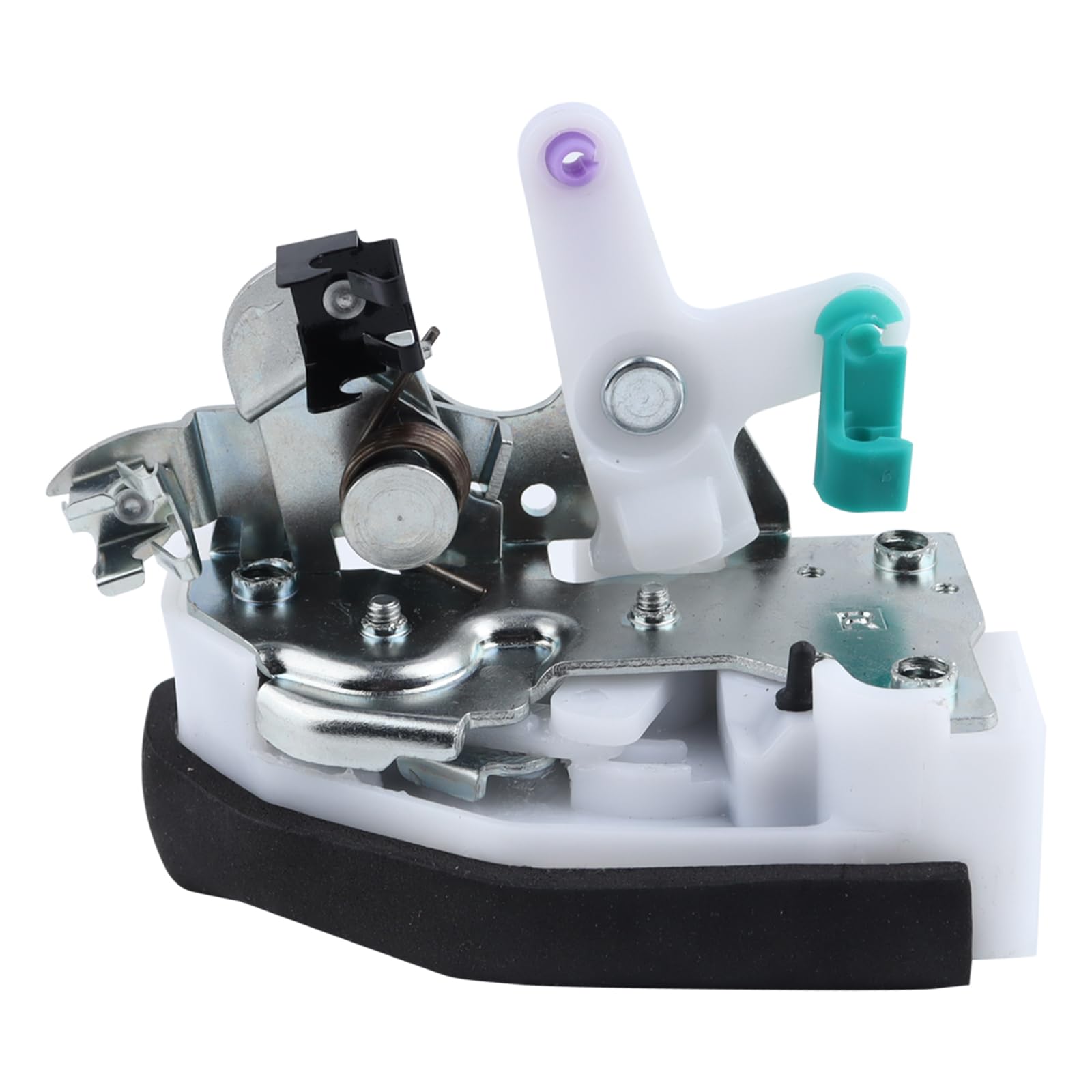
- Replacement latch (if necessary)
- Needle-nose pliers
- Clean rag
- Protective gloves
Many beginners forget to check their Jeep manual for latch diagrams. This helps identify the exact latch type, especially if you own older or newer Jeep models.
Step-by-step Guide To Fixing Your Jeep Door Latch
1. Inspect The Latch
Open the door and look closely at the latch mechanism. Check for obvious damage, rust, or broken parts. Try moving the latch with your hand and listen for grinding or clicking.
2. Lubricate The Latch
If the latch is sticky or hard to move, spray WD-40 or silicone lubricant directly into the moving parts. Wipe away extra lubricant with a rag. Sometimes, lubrication solves minor sticking problems.
3. Tighten Loose Screws
Many latch problems are caused by loose screws. Use a screwdriver or Torx bit to tighten all visible screws holding the latch and striker plate. Don’t overtighten—just make sure they are snug.
4. Adjust The Striker Plate
If your door won’t close, the striker plate (the metal part on the Jeep body) may need adjustment. Loosen the screws slightly, move the plate a few millimeters, and retighten. Test the door after each adjustment.
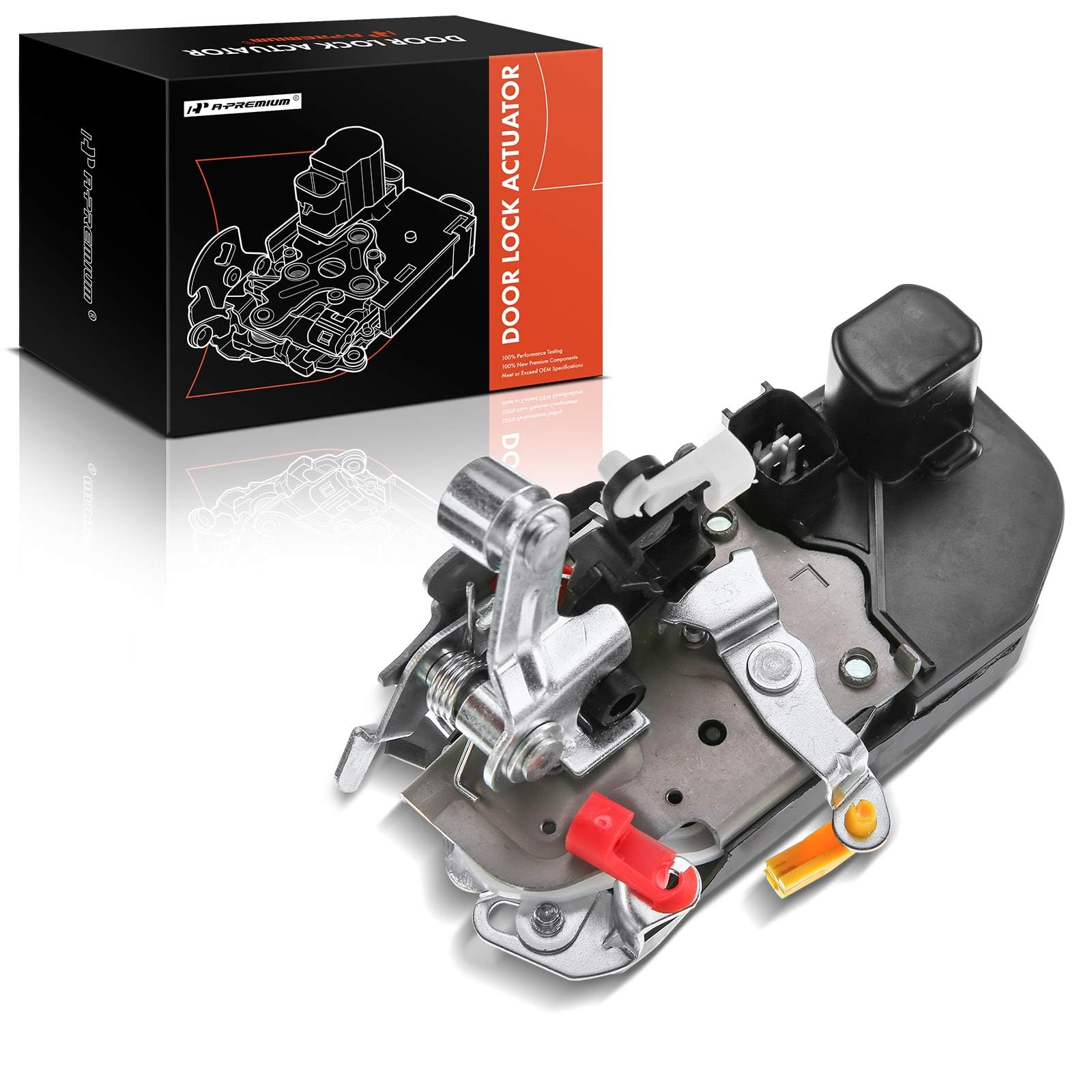
5. Remove And Replace The Latch
If lubrication and adjustment don’t help, you may need to replace the latch. Here’s how:
- Use a screwdriver or Torx bit to remove the inner door panel. Start with the screws at the edges.
- Gently pull off the panel and set it aside.
- Locate the latch mechanism and disconnect any rods or wires attached.
- Remove the old latch by unscrewing it from the door.
- Install the new latch, reconnect rods/wires, and reattach the panel.
Most Jeep latches cost between $25-$60. Compare these prices with labor costs at a shop:
| Repair Option | Average Cost | Time Needed |
|---|---|---|
| DIY Repair | $30-$70 | 1-2 hours |
| Mechanic Shop | $150-$300 | 1-2 hours |
6. Test The Door
After fixing or replacing the latch, close and open the door several times. Listen for smooth movement and check that it stays shut. If you notice any resistance or the door still won’t latch, repeat the adjustment process.
Practical Tips And Mistakes To Avoid
- Don’t force the door shut: This can damage the latch further.
- Use the right lubricant: WD-40 works for cleaning; silicone lubricant is better for lasting performance.
- Check alignment: If the door is misaligned due to hard off-road use, the latch won’t work until the door is realigned.
- Wear gloves: Protect your hands from sharp edges inside the door panel.
- Keep spare clips and screws: Jeep door panels often use unique clips that break easily.
Many people overlook that replacing a latch can affect door alignment. If the door still doesn’t close perfectly, look at the hinges and striker plate position.
When To Call A Professional
If the latch mechanism is broken inside the door or you see damaged wiring, it’s best to visit a Jeep dealership or trusted mechanic. Electrical latches (in newer models) require special tools and knowledge. According to Jeep Official Site, professional repair guarantees proper door function and safety.
Frequently Asked Questions
What Causes A Jeep Door Latch To Fail?
Corrosion, loose screws, misalignment, and broken springs are common causes. Off-road use and exposure to mud or water make Jeep latches fail more often than regular vehicles.
Can I Fix My Jeep Door Latch Without Removing The Door Panel?
You can solve simple problems like lubrication or tightening screws without removing the panel. For broken parts or stuck latches, panel removal is necessary.
How Do I Know If I Need A New Latch Or Just A Repair?
If the latch is physically broken, rusted beyond repair, or does not move after lubrication and adjustment, a new latch is required. If it’s just sticky or loose, cleaning and tightening usually fix it.
Is It Safe To Drive With A Faulty Door Latch?
No, driving with a faulty latch is unsafe. The door may open unexpectedly, especially on rough roads. Fix the latch before using your Jeep for daily driving or off-roading.
Are Jeep Door Latches Different From Other Cars?
Yes. Jeep door latches are designed for removable doors and rugged use, so they have unique mechanisms and often require Torx bits for repair.
Fixing a Jeep door latch saves money and helps keep your vehicle safe for daily and off-road use. With the right tools, a bit of patience, and careful steps, you can solve most latch problems yourself. If things feel too complex or unsafe, don’t hesitate to call a professional.
A working door latch means you’re ready for any adventure—without worrying about your door popping open.