If your Jeep Compass won’t start or is showing warning lights, there’s a good chance the battery needs charging. Many owners face this problem, especially during cold weather or after leaving lights on. Charging the battery yourself can save time and money if you follow the right steps. This guide explains how to safely charge your Jeep Compass battery, what tools you need, and how to avoid common mistakes. Whether you are new to car maintenance or have some experience, these tips will help you get back on the road quickly.
Understanding The Jeep Compass Battery
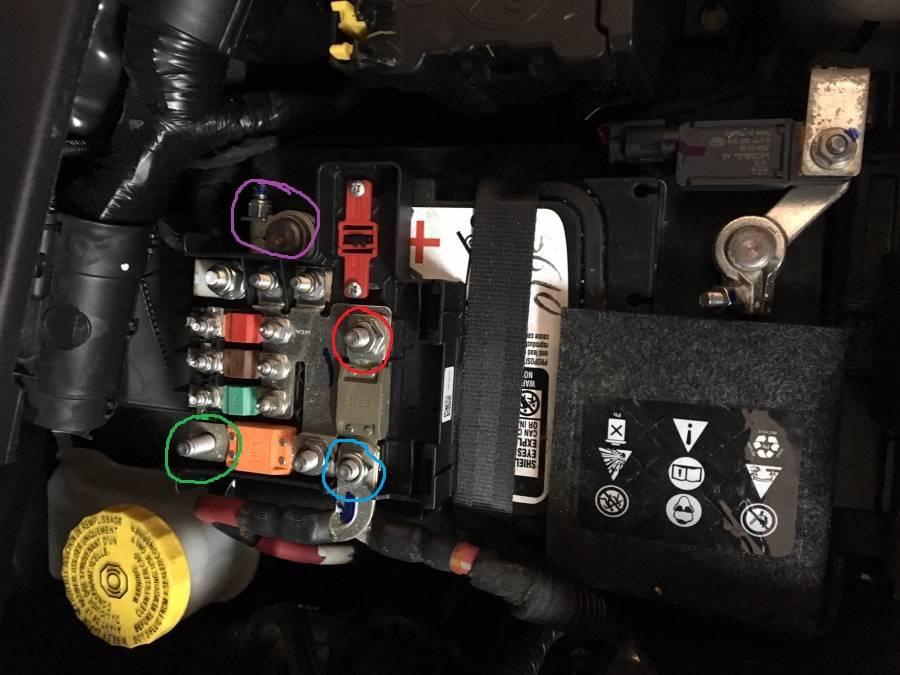
The Jeep Compass usually comes with a 12-volt lead-acid battery. Most models use a Group 48 (H6) or Group 94R battery, found under the hood on the driver’s side. Newer models may have an AGM (Absorbent Glass Mat) battery, which offers better performance and lasts longer.
| Battery Type | Location | Average Lifespan |
|---|---|---|
| Lead-Acid | Under Hood | 3-5 Years |
| AGM | Under Hood | 4-6 Years |
Knowing your battery type helps you choose the right charger and avoid damage. Check your owner’s manual if you’re unsure.
Tools And Preparation
Before you begin, gather these essential tools:
- Battery charger (smart charger or trickle charger)
- Safety gloves and goggles
- Wrench set (usually 10mm for terminals)
- Clean cloth or brush
Turn off your Jeep and remove the key. Avoid charging a hot engine—wait at least 15 minutes after driving. Always charge in a well-ventilated area to avoid gas buildup.
Step-by-step Charging Process
Charging your Jeep Compass battery is simple if you follow these steps:
- Locate the Battery: Open the hood and find the battery. Remove any plastic covers if needed.
- Inspect the Battery: Look for cracks, leaks, or corrosion. Clean terminals with a brush if you see white or green buildup.
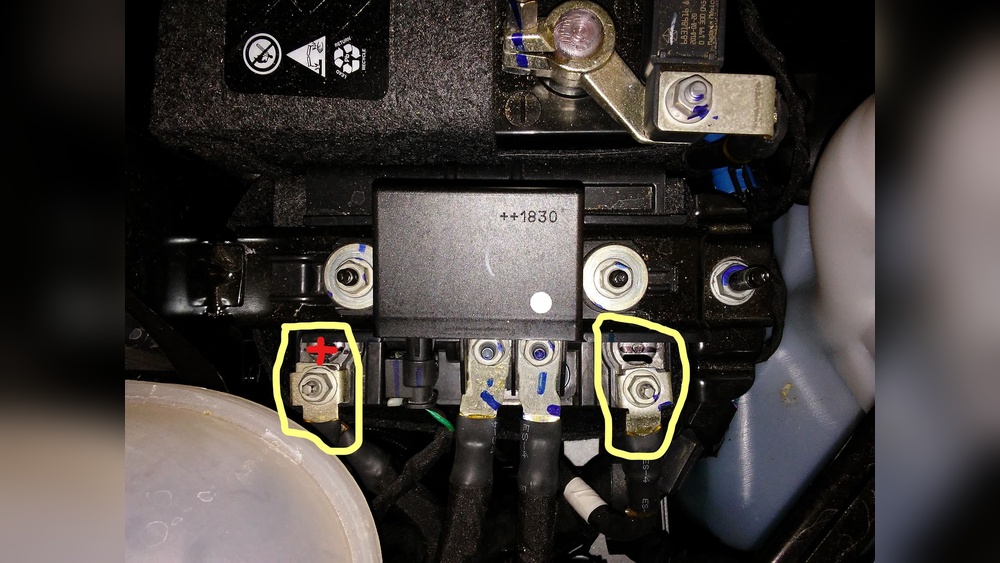
- Disconnect Cables (Optional but Safer): Loosen the negative (–) cable first, then the positive (+). This prevents sparks. For simple charging, you can leave cables connected, but disconnecting is safer for long charging sessions.
- Connect the Charger:
- Attach the red (positive) clamp to the battery’s positive terminal.
- Attach the black (negative) clamp to the battery’s negative terminal or a metal ground point on the car.
- Set Charger Options: For most Jeep Compass batteries, use a 10-amp setting or lower. Smart chargers adjust automatically. Avoid high-amp “jump start” settings unless you need a quick boost.
- Start Charging: Plug in the charger and turn it on. Charging time depends on how low the battery is. For a full charge, expect 4–8 hours.
- Monitor Progress: Many chargers have indicator lights. A green light means charging is complete.
- Disconnect Safely: Turn off the charger. Remove the black clamp first, then the red. If you disconnected battery cables, reconnect positive first, then negative.
- Test the Battery: Start your Jeep. If it starts easily, the battery is charged.
Tips For Best Results
- Avoid using a charger with more than 10 amps for standard charging. Higher currents may damage the battery.
- If you see swelling, leaking, or smell rotten eggs, stop immediately. This means the battery is faulty.
- Charging a completely dead battery may take up to 12 hours.
- For AGM batteries, use a compatible charger with an AGM mode.
- Don’t let the charger stay connected after a full charge—this can shorten battery life.
Common Mistakes To Avoid
Many Jeep Compass owners make simple errors when charging their battery:
- Reversing clamps: Connecting positive to negative can cause sparks and damage.
- Using a damaged charger: Frayed wires or old chargers are unsafe.
- Charging in a closed garage: Dangerous gases can build up.
- Ignoring battery age: If your battery is over 5 years old, charging may not help much.
| Mistake | Possible Result | Prevention |
|---|---|---|
| Wrong clamp connection | Short circuit | Double-check before starting |
| Overcharging | Battery damage | Use smart charger |
| Poor ventilation | Explosion risk | Charge outdoors or in open garage |
When To Replace Instead Of Charge
Charging only helps if the battery is healthy but discharged. If your Jeep Compass still has trouble starting after charging, or if you notice these signs, consider replacement:
- Battery is more than 5 years old
- Starts losing charge quickly
- Visible swelling or leaks
- Multiple jump-starts needed each week
A new battery usually costs $120–$200 depending on type and brand.
How To Maintain Your Battery
A well-maintained battery lasts longer and reduces breakdowns. Follow these tips:
- Check battery terminals every 2–3 months for corrosion.
- Tighten connections if they feel loose.
- Drive your Jeep regularly—short trips can drain the battery.
- Turn off lights and electronics before leaving the car.
A simple multimeter test every few months can help catch problems early. A healthy battery should show 12.6 volts or more at rest.
| Battery Voltage | Status |
|---|---|
| 12.6V or higher | Fully charged |
| 12.4V – 12.5V | Normal |
| 12.2V or lower | Needs charge |
Frequently Asked Questions
How Often Should I Charge My Jeep Compass Battery?
You usually don’t need to charge a healthy battery unless it’s left unused for weeks. In cold climates, check it every month during winter.
Can I Use A Jump Starter Instead Of A Charger?
A jump starter is for emergencies. It gets your car running but does not fully charge the battery. Use a charger when you have time.
Is It Safe To Charge The Battery Without Disconnecting It?
Yes, for short charging sessions. But disconnecting the battery is safer for both your car’s electronics and the charger.
How Do I Know If My Battery Is Beyond Saving?
If the battery won’t hold a charge, needs frequent jump-starts, or is more than 5 years old, it’s time to replace it.
Where Can I Get More Information About Car Batteries?
You can learn more about battery care and charging at the AAA Car Battery Guide.
Charging your Jeep Compass battery is a simple task with the right tools and steps. By taking care of your battery and charging it safely, you can avoid being stranded and extend its life. Remember, a little maintenance goes a long way in keeping your Jeep ready for every adventure.