Taking your Jeep Wrangler off-road is always an adventure, but crossing water or driving in heavy rain can put your vehicle at risk. Water damage is one of the most common problems for Wranglers, especially if you love mudding, river crossings, or live in a wet climate. Waterproofing your Jeep Wrangler is not just about protecting your investment; it’s about keeping your adventures safe and stress-free.
Let’s look at practical steps to keep water out and protect your Wrangler’s essential systems—without overcomplicating things or spending money where you don’t need to.
Why Waterproofing Matters
A Jeep Wrangler is built for tough conditions, but factory waterproofing only goes so far. Water can damage electronics, seats, carpets, and even the engine if it gets in the wrong place. Even short exposure to water can lead to rust, mold, and expensive repairs.
People often assume that because a Wrangler can ford streams, it’s already fully waterproof. That’s not true. Basic steps go a long way in increasing your Jeep’s water resistance, especially if you plan to tackle deep water or muddy trails regularly.
Key Areas To Waterproof
Not every part of your Jeep is equally at risk. Focus on these critical zones first:
1. Doors And Seals
The door seals keep most water out during rain and shallow crossings. Check the rubber around every door for cracks or gaps. Replace worn weatherstripping and apply silicone sealant for extra protection.
2. Floor And Carpets
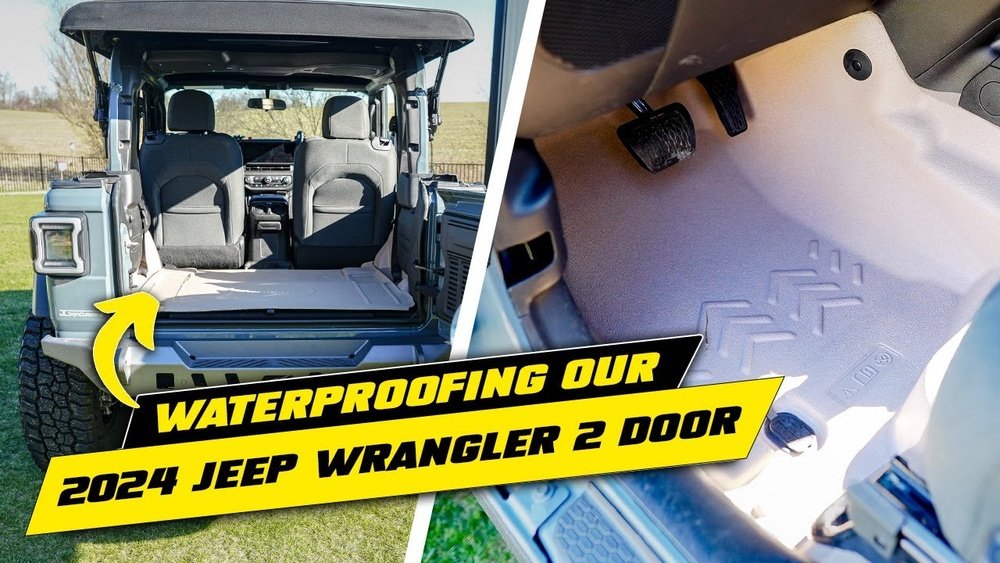
Jeep carpets soak up water fast and can trap moisture underneath, causing rust. Consider removing factory carpets and switching to all-weather floor liners. These are easy to clean and don’t hold water. Some owners also install a rubberized undercoating on the floor to add a waterproof barrier.
3. Electronics And Fuses
Water can wreck your Jeep’s electrical system quickly. Use dielectric grease on fuse boxes and connectors. Cover exposed wiring with heat-shrink tubing or electrical tape. If you often cross deep water, relocate vulnerable electronics higher in the cab.
4. Engine And Air Intake
If water gets into your engine or air intake, repairs can be serious. Install a snorkel to raise the air intake above the hood line. This keeps water out of the engine during deep crossings. Seal the edges of the hood and check the air box for leaks.
5. Vents And Drains
Jeeps have drain plugs in the floor. Make sure these are in place before deep water crossings, but remove them to let water out after. Check that axle and transmission breathers are extended upward—factory hoses are often too short for deep water.
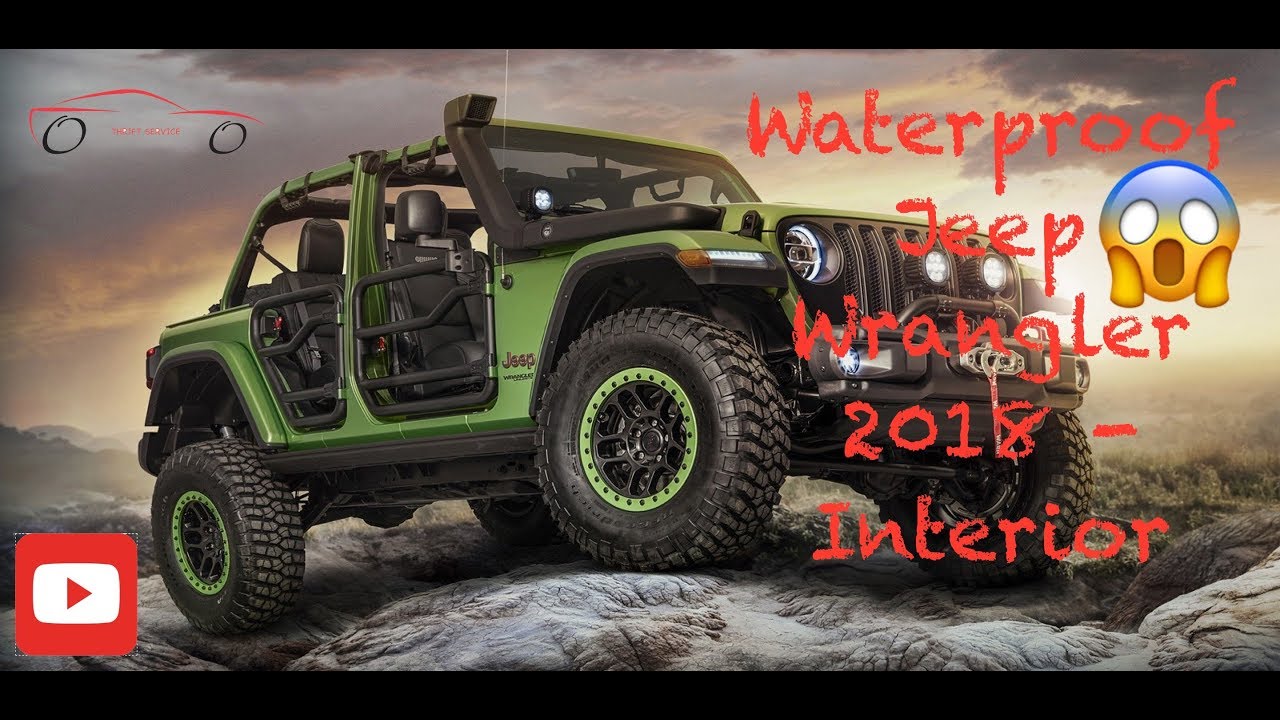
Waterproofing Steps: What To Do
Here’s a simple checklist for waterproofing your Jeep Wrangler:
- Inspect and replace door weatherstripping if cracked.
- Swap out factory carpets for rubber floor liners.
- Apply dielectric grease to all connectors and fuse boxes.
- Add a snorkel kit for the air intake.
- Move critical electronics higher inside the cabin.
- Extend axle and transmission breather hoses.
- Seal the hood edges with foam or rubber.
- Keep a tube of silicone sealant in your glove box for emergencies.
These steps cost much less than engine or transmission repairs caused by water damage.
Comparison: Factory Vs Aftermarket Waterproofing
Below is a quick overview of how factory features compare to simple aftermarket upgrades:
| Feature | Factory | Aftermarket Upgrade |
|---|---|---|
| Door Seals | Basic rubber | Silicone-enhanced seals |
| Carpet | Cloth/fabric | Rubber liners or bedlining |
| Air Intake | Hood-level | Snorkel (roof-level) |
| Electronics | Standard placement | Raised, sealed connectors |

Common Mistakes To Avoid
Many Jeep owners make these errors:
- Relying only on factory water resistance
- Forgetting to seal or grease electrical connectors
- Not checking breather hose length before deep water crossings
- Leaving wet carpets in place after water exposure
Avoid these mistakes and you’ll save yourself time and money.
Cost And Effort Breakdown
How much does it cost to waterproof a Jeep Wrangler? Here’s a rough estimate:
| Item/Upgrade | Average Cost | DIY Difficulty |
|---|---|---|
| Rubber Floor Liners | $100 – $200 | Easy |
| Snorkel Kit | $300 – $500 | Medium |
| Dielectric Grease | $5 – $10 | Easy |
| Weatherstripping | $50 – $100 | Easy |
| Breather Hose Extensions | $20 – $50 | Medium |
Most waterproofing jobs can be done at home with basic tools.

Advanced Waterproofing: Going Further
If you plan to drive in very deep water often, take extra steps:
- Waterproof your starter motor with special spray
- Upgrade axle seals to heavy-duty versions
- Use marine-grade switches for cabin electronics
Most drivers won’t need all these, but it’s good to know the options.
Maintenance After Water Exposure
Even a waterproofed Jeep needs care after getting wet. Open doors and windows to let the interior dry. Remove floor plugs and liners to drain trapped water. Check for mud in the air filter and clean electrical connectors if you notice corrosion.
Quick maintenance stops small issues from becoming expensive problems.
Real-world Example
A Jeep owner in Oregon who frequently fords streams noticed his carpets stayed wet for days. After switching to rubber floor liners and adding a snorkel, he reported zero electrical issues and a dry, easy-to-clean interior, even after heavy rain and water crossings.
Many off-road clubs share similar stories—simple waterproofing steps prevent most problems.
Where To Find More Guidance
For more technical details or step-by-step videos, visit the official Jeep website. They provide manuals and guides for specific models.
Waterproofing your Jeep Wrangler is mostly about prevention. It’s easier to stop water from getting in than to fix the damage it causes.
Frequently Asked Questions
How Deep Can A Stock Jeep Wrangler Go In Water?
A stock Wrangler can handle about 19-30 inches of water, depending on the model. Always go slow and avoid rushing water.
Do I Really Need A Snorkel?
A snorkel is only needed if you plan to cross water deeper than your hood line. For most people, it’s not required, but it does add safety for deep crossings.
Will Waterproofing Affect My Jeep’s Warranty?
Most basic waterproofing steps (like liners or grease) do not affect your warranty, but cutting or modifying parts could. Always check with your dealer.
Can I Waterproof My Jeep Myself?
Yes, most steps—like installing floor liners, using dielectric grease, or extending breathers—are DIY friendly. Some jobs, like snorkel installation, might need basic tools and patience.
What Should I Do After Driving In Water?
Remove water by taking out drain plugs and drying the interior. Check for mud in the air filter and clean any wet electrical parts to prevent long-term damage.
Waterproofing your Jeep Wrangler is a smart investment in adventure and reliability. With just a few upgrades and regular checks, you’ll keep your Jeep ready for any trail or weather.