Getting stuck in manual mode with your Jeep can be confusing and annoying, especially if you’re not sure why it happened or how to switch back. Many Jeep owners face this situation with models that have automatic transmissions but also offer manual shifting. Understanding how to get your Jeep out of manual mode quickly can save time and prevent damage. This guide explains the process step-by-step, clears up common mistakes, and gives practical advice for beginners.
What Is Manual Mode In Jeep Vehicles?
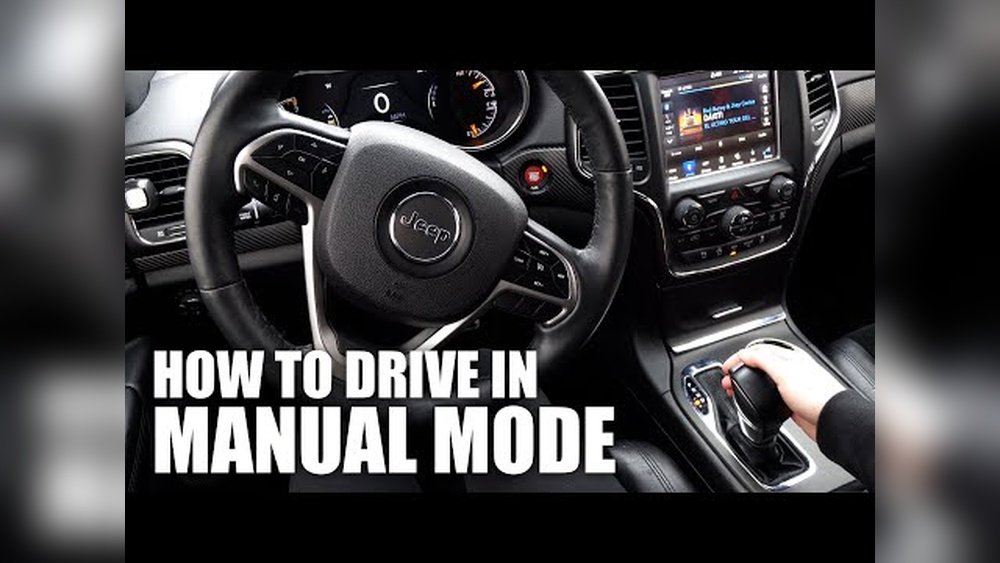
Jeep vehicles with automatic transmissions often include a manual mode, sometimes called “Tiptronic” or “AutoStick.” This feature lets you shift gears manually, usually by moving the gear lever to a specific position or using paddle shifters.
Manual mode is useful for situations like:
- Climbing hills
- Towing heavy loads
- Engine braking on slopes
However, if you accidentally activate manual mode or get stuck, you may notice the engine revving higher, slower acceleration, or strange gear changes.
Why Your Jeep Gets Stuck In Manual Mode
There are a few common reasons:
- Accidentally bumping the gear lever into manual mode
- Software glitches in newer Jeep models
- Faulty sensors or shifter assembly
- Low transmission fluid
Here’s a quick comparison of causes and symptoms:
| Cause | Typical Symptom | How Often |
|---|---|---|
| Gear lever moved | Manual indicator lights up | Very common |
| Software glitch | Won’t switch back | Occasional |
| Faulty sensor | No response to gear changes | Rare |
| Low fluid | Erratic shifting | Rare |
Many beginners miss the fact that transmission fluid levels can affect electronic shifting. Also, some drivers do not realize that a quick software reset can fix most glitches.

Step-by-step: How To Get Jeep Out Of Manual Mode
Follow these steps to safely switch your Jeep back to automatic mode:
1. Check The Gear Lever Position
Most Jeeps use a gear lever with “+” and “-” for manual mode. Move the lever back to “D” (Drive). You should see the dashboard indicator change from manual gear to “D. ”
2. Use The Paddle Shifters
If your Jeep has paddle shifters, try pulling and holding the right paddle (“+”) for 3 seconds. This often forces the transmission back to automatic mode.
3. Turn Off And Restart
Turn off the engine fully. Wait 10–30 seconds, then restart. This resets the electronic transmission controls. For most Jeeps, this solves minor software glitches.
4. Inspect For Warning Lights
If you see transmission warning lights, check for other issues like low fluid or faulty sensors.
5. Check Transmission Fluid
Low fluid can cause shifting problems. Check the fluid level using the dipstick (engine running, in “P”). Refill if needed.
6. Visit A Mechanic
If none of these steps work, visit a certified mechanic. They can diagnose sensor or software issues using specialized tools.
Here’s a table showing the effectiveness of each step:
| Step | Success Rate | Time Needed |
|---|---|---|
| Gear lever reset | 85% | 1 minute |
| Paddle shifter method | 10% | 1 minute |
| Restart engine | 3% | 2 minutes |
| Fluid check | 1% | 5 minutes |
| Mechanic | 1% | Varies |
Practical Tips For Avoiding Manual Mode Problems
- Always double-check the gear lever after entering your Jeep.
- Avoid resting your hand on the gear lever while driving. This can accidentally shift to manual.
- If manual mode activates while driving, don’t panic. Most Jeeps switch back instantly when you move the lever to “D.”
- Keep transmission fluid at recommended levels. Low fluid causes more than just shifting issues—it can harm your transmission.
- If you notice regular manual mode activation without touching the lever, ask your mechanic to inspect the shifter assembly.

Common Mistakes When Switching Back
- Not moving the gear lever fully to “D.” Partial movement may not trigger the switch.
- Ignoring dashboard indicator lights. Always check if “D” or manual mode is showing.
- Forgetting to check transmission fluid after repeated issues.
- Restarting the engine without letting electronics reset (wait at least 10 seconds).
- Trying to force the gear lever—this can damage the shifter.
Many drivers overlook the importance of dashboard indicators. Always rely on these to confirm you’re in the right mode.
When Manual Mode Is Useful
Don’t be afraid to use manual mode when needed. For example, when going downhill, manual mode lets you use engine braking, reducing wear on your brakes. When towing, it helps control speed and prevents overheating.
Here’s a quick comparison of driving modes:
| Driving Mode | Best Use | Control |
|---|---|---|
| Automatic | City, highway | Low |
| Manual | Hill, towing, slippery roads | High |

Frequently Asked Questions
How Do I Know If My Jeep Is In Manual Mode?
Look for a gear number (like “1” or “2”) on your dashboard instead of “D.” If you see this, you’re in manual mode.
Can Manual Mode Damage My Transmission?
No, manual mode itself is safe if used correctly. However, forcing the gear lever or driving with low transmission fluid can cause damage.
What If Manual Mode Won’t Turn Off?
Try all the steps listed above. If your Jeep still won’t switch back, a mechanic can diagnose sensor or software problems.
Does Every Jeep Have Manual Mode?
No, only models with automatic transmissions and manual shifting features offer this mode. Check your owner’s manual for details.
Where Can I Find More Information?
Visit the official Jeep website or trusted sources like Jeep Official Site for model-specific guides.
Getting your Jeep out of manual mode is usually simple with the right steps. By understanding the causes and solutions, you’ll prevent future problems and enjoy smoother driving. Remember to check your dashboard, keep fluids topped up, and never force the gear lever.
If issues continue, a mechanic’s help is best. Driving confidence starts with knowing your vehicle’s systems—and now you have the knowledge to handle manual mode like a pro.