Driving a Jeep Wrangler is a unique experience, especially when it comes to changing gears. Whether you are navigating city roads or off-roading on rugged trails, knowing how to shift gears correctly can make your drive smoother and safer. Many drivers, especially new owners, feel nervous about shifting gears in a Jeep because it handles differently than regular cars. This article will guide you step by step, clear up common confusion, and offer practical tips you might not find in the manual.
Understanding Your Jeep Wrangler’s Transmission
The Jeep Wrangler comes with two main types of transmissions: manual and automatic. Each works differently, so it’s important to know which one your Jeep has.
| Transmission Type | How It Works | Common Models |
|---|---|---|
| Manual | Driver shifts gears using a clutch pedal and gear stick | Wrangler Sport, Rubicon (older models) |
| Automatic | Gears change automatically; driver uses only the gear selector | Wrangler Sahara, Rubicon (newer models) |
Most modern Wranglers use automatic transmissions, but many enthusiasts still prefer the control of a manual. This guide covers both.
How To Change Gears: Manual Transmission
Changing gears in a manual Wrangler means balancing the clutch, gear shift, and gas pedal. Here’s how to do it safely and smoothly:
- Start the Jeep with the clutch pressed fully to the floor.
- Move the gear stick to first gear.
- Slowly release the clutch while gently pressing the gas pedal. The Jeep will start moving.
- To shift to a higher gear, release the gas, press the clutch, move the gear stick to the next gear (second, third, etc. ), and slowly release the clutch while pressing the gas.
- Downshifting (moving to a lower gear) works the same way but helps slow the Jeep or climb hills.
Common Mistakes With Manuals
- Riding the clutch: Keeping your foot on the clutch pedal after shifting wears it out quickly.
- Shifting too early or late: Listen to the engine. Shifting at too low or high RPM can damage the engine.
- Skipping gears: Always shift one gear at a time for smoother driving.
Many beginners forget to match their engine speed (RPM) with the gear. Watch the tachometer: shift up around 2,500 to 3,000 RPM for best results.
How To Change Gears: Automatic Transmission
Most drivers find automatic transmission easier. Here’s what you need to know:
- Start the Jeep with your foot on the brake.
- Move the gear selector from ‘P’ (Park) to ‘D’ (Drive).
- The vehicle will shift gears automatically as you accelerate or slow down.
- To reverse, come to a complete stop, then move the selector to ‘R’ (Reverse).
Using Manual Mode (if Equipped)
Some Wranglers have a manual mode (sometimes called Tiptronic or AutoStick). This lets you control gear changes without a clutch:
- Push the gear selector to the left or right to shift up or down while driving.
- Use manual mode for more control on hills or when towing.
Using 4wd And Transfer Case
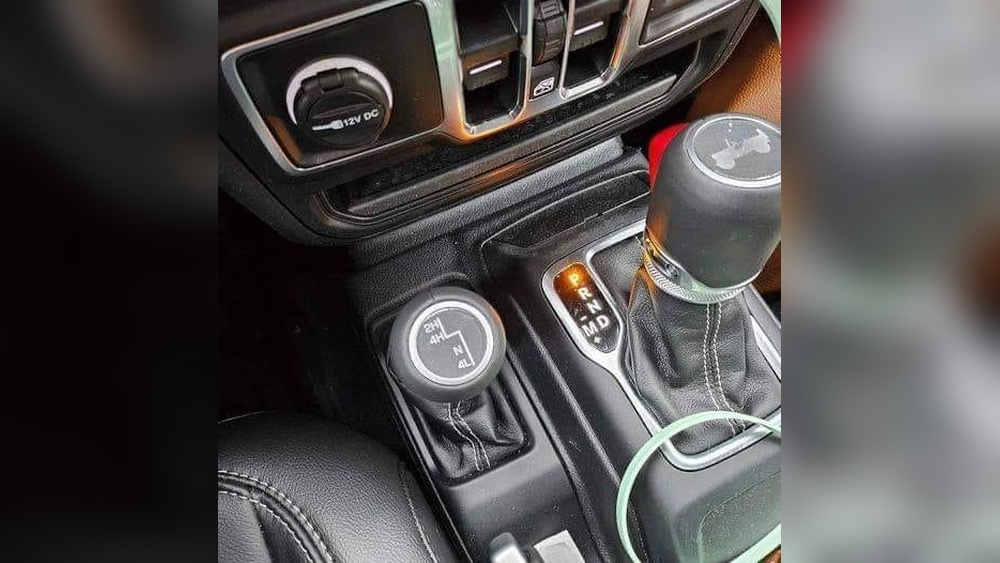
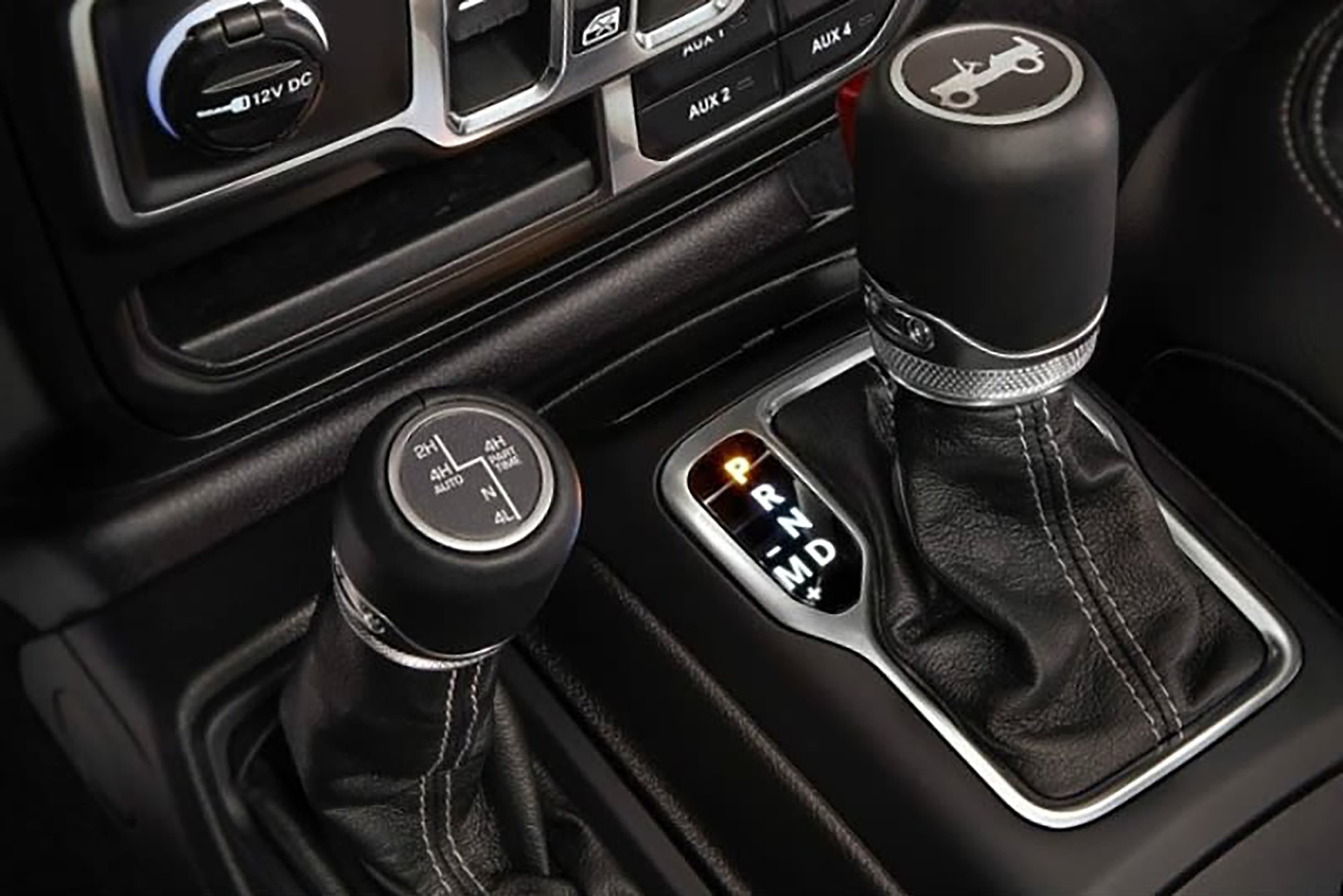
The Jeep Wrangler is famous for its 4-wheel drive (4WD) system. This lets you shift between 2H, 4H, N, and 4L using the transfer case lever.
| Mode | Use Case | How to Shift |
|---|---|---|
| 2H | Normal driving, dry pavement | Shift while stopped or moving slowly |
| 4H | Snow, sand, or mud | Shift while moving up to 45 mph |
| N (Neutral) | Towing | Shift when stopped |
| 4L | Steep hills, deep mud | Shift when stopped or rolling slowly |
Always shift 4WD modes according to the owner’s manual. Forcing the lever can damage the transfer case.
Tips For Smooth Gear Changes
- Listen to the engine: Your Wrangler will “tell” you when it’s time to shift by the sound of the engine.
- Don’t rush: Quick, jerky shifts can damage the transmission.
- Practice on flat, open ground before trying hills or trails.
- Check your gear before starting: Many new drivers forget they’re in gear, causing the Jeep to jerk when starting.
One overlooked tip: always fully depress the clutch pedal (manual) or brake (automatic) before shifting. Partial pressure can grind gears or cause lurching.
When To Change Gears
Knowing when to change gears is as important as knowing how. Here’s a quick guide:
| Situation | Recommended Gear | Reason |
|---|---|---|
| Starting from stop | 1st (manual) / D (auto) | Best power for moving off |
| Climbing hills | Lower gear (2nd/3rd or 4L) | More torque, prevents stalling |
| Highway driving | 5th/6th (manual) / D (auto) | Fuel efficiency |
| Off-road | 4L or lower gears | Control and power |
What To Avoid
Many Jeep owners make mistakes that can harm the vehicle:
- Shifting between 4H and 4L at high speed: Always stop or move very slowly first.
- Using 4WD on dry pavement: This strains the drivetrain and wears tires.
- Ignoring grinding noises: These often mean you’re not fully engaging the gear or clutch.
- Not consulting your owner’s manual: Different Wrangler years and trims have small differences.
Final Thoughts
Changing gears on a Jeep Wrangler is not just about moving a lever. It’s about understanding your vehicle, the road, and the right timing. With practice, you’ll shift smoothly and enjoy the adventure that comes with every Jeep drive. If you ever feel unsure, re-read your manual or seek advice from experienced Jeep owners. The Wrangler is built for tough roads, but it rewards careful, smart driving.

Frequently Asked Questions
How Do I Know If My Wrangler Has A Manual Or Automatic Transmission?
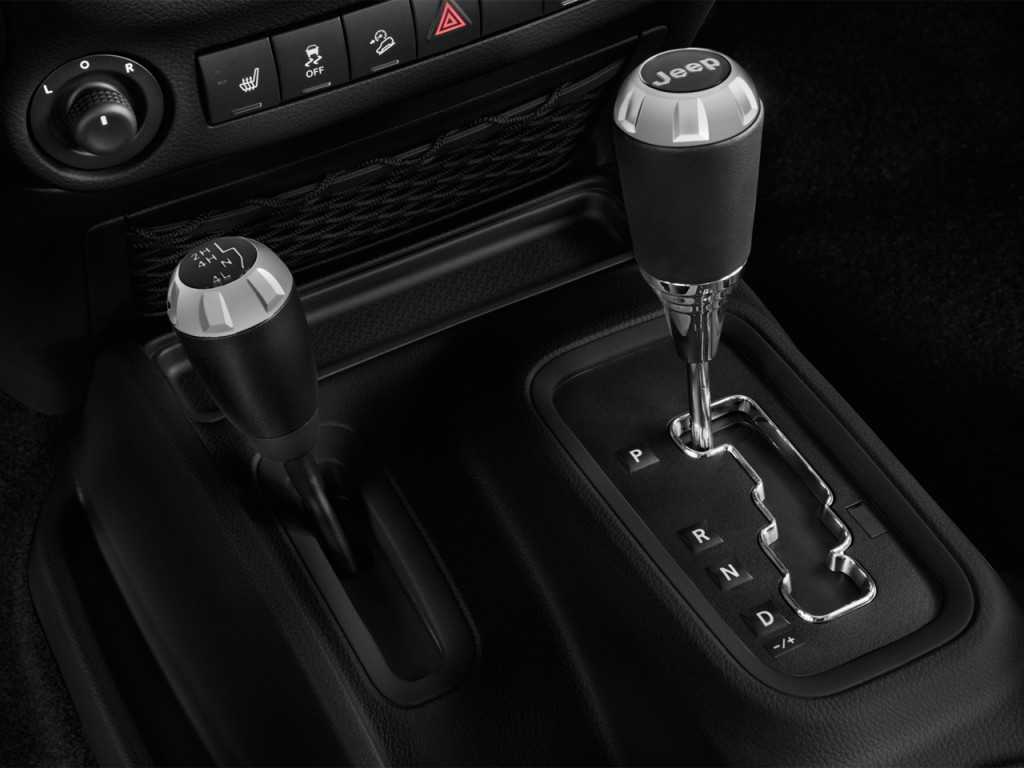
Check the gear selector: if it has a “P, R, N, D” pattern, it’s automatic. A stick with numbered gears (1-6) means manual.
Can I Shift Between 4h And 2h While Driving?
Yes, you can shift between 2H and 4H at speeds below 45 mph, but always follow your owner’s manual for your model.
What Should I Do If Gears Grind When Shifting?
Stop, press the clutch fully (manual), or brake (automatic). Grinding means the clutch isn’t engaged or you’re shifting too quickly.
Is It Safe To Use 4l On Pavement?
No, 4L is for off-road, steep, or slippery conditions only. Using it on pavement can damage the drivetrain.
Where Can I Learn More About Jeep Transmissions?
For more technical details, check the official Jeep Wrangler Wikipedia page.
With these tips, you’re ready to master gear changes and make the most of your Jeep Wrangler adventures.