Storing your Jeep top correctly helps keep it safe, clean, and ready for adventure. Whether you drive a Wrangler, Gladiator, or another model, the top is a big investment. Poor storage can lead to scratches, mildew, or even cracks. Many Jeep owners damage their tops because they rush or use the wrong method.
In this guide, you’ll learn practical ways to store your Jeep top, with tips to avoid common mistakes and protect your gear for years.
Choosing The Right Storage Space
The first step is finding a safe spot for your Jeep top. Most people use garages, basements, or sheds. The area should be dry and away from direct sunlight.
- Humidity: High humidity can cause mildew, especially with fabric tops. Aim for less than 60% humidity.
- Temperature: Extreme heat or cold can crack plastic or vinyl. Keep the space between 50–85°F.
- Floor vs. Wall Storage: Storing on the floor is easy but risky—accidents happen. Wall or ceiling storage saves space and protects your top.
Here’s a quick comparison:
| Storage Location | Pros | Cons |
|---|---|---|
| Garage Floor | Easy access, no installation | Risk of damage, takes up space |
| Wall Rack | Space-saving, safer | Requires installation, may need strong walls |
| Ceiling Hoist | Best for hard tops, frees floor space | Complex setup, not suitable for fabric tops |
Preparing Your Jeep Top For Storage
Don’t just remove the top and stash it. Proper preparation prevents long-term issues.
Cleaning
Always clean your Jeep top before storing.
- Hard tops: Wash with mild soap and water. Dry fully to prevent water spots.
- Soft tops: Use a fabric-safe cleaner. Let them air dry to avoid mildew.
Inspecting For Damage
Check for cracks, tears, or loose seals. Small issues worsen over time. Repair them before storage.
Removing Attachments
Take off any hardware, such as latches or seals, and store them in a labeled bag. This prevents scratches and makes reinstallation easier.
Storage Methods For Hard Tops
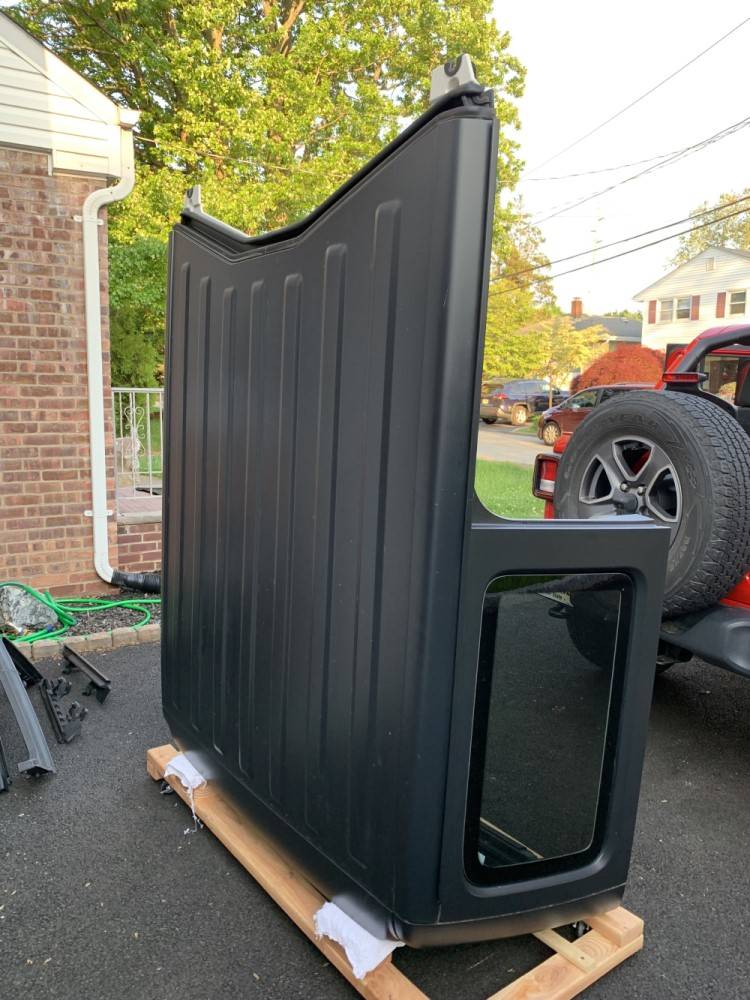
Hard tops are heavy and bulky. The wrong method can cause cracks or scratches.
Floor Stands
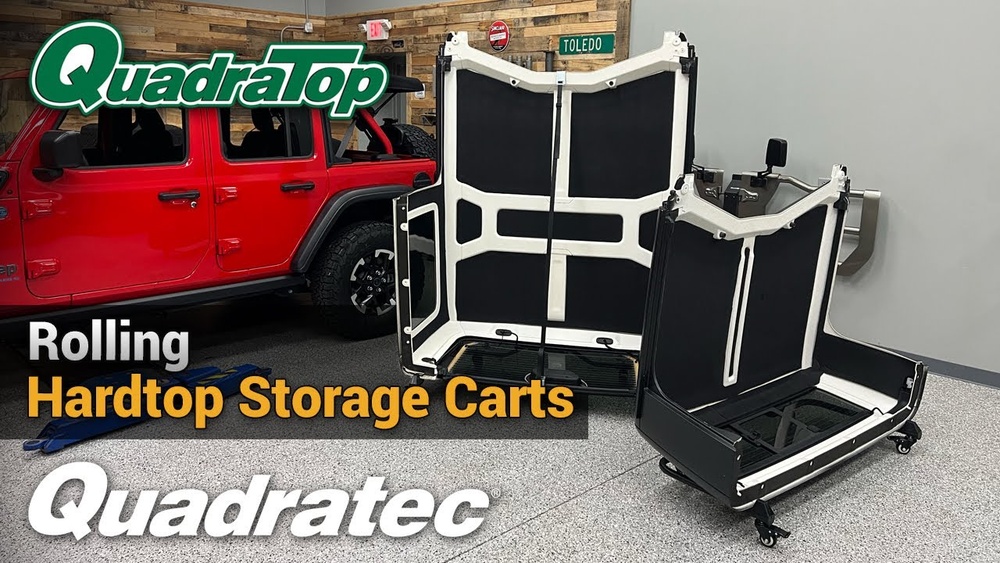
Special hard top stands keep the top upright and stable. Add foam padding for extra protection.
Wall Racks
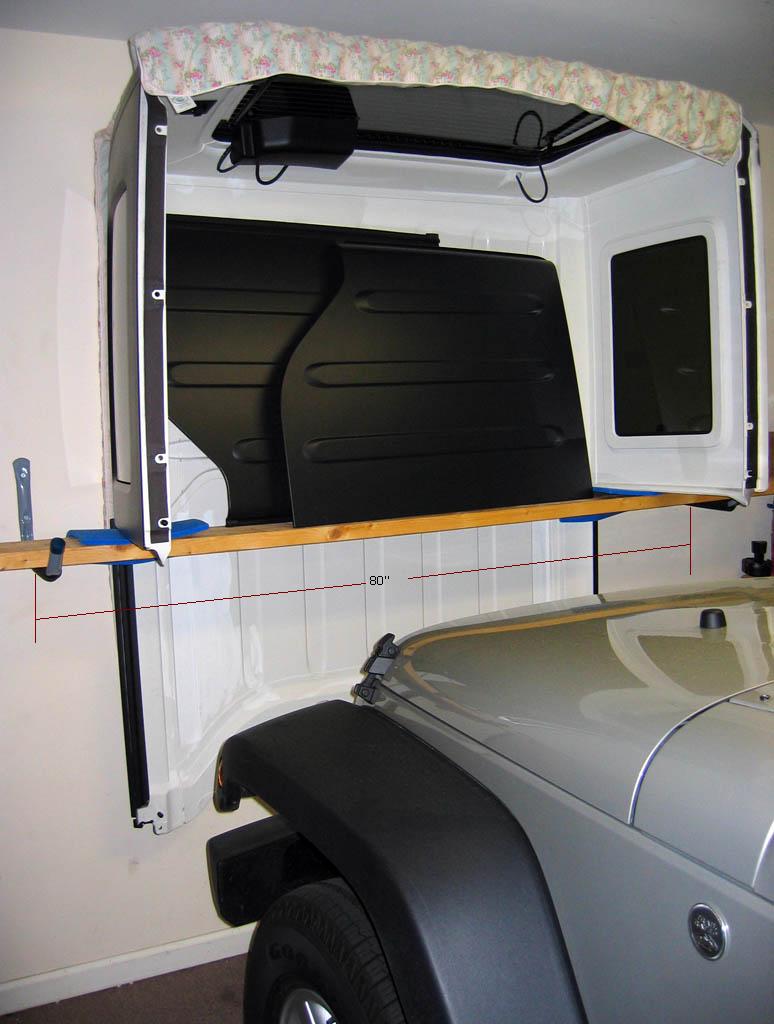
Wall racks are popular for homes with limited floor space. Make sure the rack supports at least 100 pounds.
Ceiling Hoists
A ceiling hoist lifts the top above your Jeep or garage floor. Most hoists can handle up to 150 pounds and work with the Jeep Wrangler hard top.
Here’s how different storage methods compare:
| Method | Weight Capacity | Ease of Use | Cost |
|---|---|---|---|
| Floor Stand | Up to 120 lbs | Easy | $100–$200 |
| Wall Rack | Up to 100 lbs | Moderate | $150–$300 |
| Ceiling Hoist | Up to 150 lbs | Challenging | $200–$400 |
Storage Methods For Soft Tops
Soft tops need gentle handling. Folding or rolling the top wrong can cause creases or tears.
- Lay Flat: Place the soft top flat on a clean surface. Avoid sharp bends.
- Roll Carefully: If space is limited, roll the top loosely. Don’t fold—creases damage fabric.
- Use Storage Bags: Many brands offer soft top storage bags. These protect against dust and moisture.
Never store a wet soft top. Moisture leads to mildew and odors.
Protecting Windows And Panels
Jeep tops often include removable windows or panels. These parts scratch easily.
- Wrap in Microfiber: Use microfiber towels to cover windows and panels.
- Store Separately: Keep windows away from heavy items to prevent pressure damage.
Here’s a comparison of protection materials:
| Material | Scratch Protection | Cost |
|---|---|---|
| Microfiber Towel | Excellent | $10–$20 |
| Bubble Wrap | Good | $5–$10 |
| Old Blanket | Moderate | $0 |
Common Storage Mistakes
Many Jeep owners make mistakes that cause damage. Here are two that most beginners miss:
- Storing on bare concrete: Concrete absorbs moisture and can create condensation. Always use a mat or padding.
- Stacking heavy items: Never place items on top of your Jeep top. Even light objects can create dents or scratches.
Tips For Seasonal Storage
If you only use your Jeep top part of the year, consider these tips:
- Cover with a dust sheet: Stops dirt buildup.
- Check monthly: Look for signs of moisture, pests, or damage.
- Label hardware: Use tags or bags for bolts and clips.
Frequently Asked Questions
How Can I Avoid Scratches When Storing My Jeep Top?
Use microfiber towels or a padded storage bag. Keep the top away from tools, bikes, or other hard objects.
Can I Store My Jeep Top Outside?
It’s not recommended. Weather exposure can fade, crack, or warp the top. If you must, use a waterproof cover and elevate the top off the ground.
What Is The Best Way To Store The Jeep Soft Top Windows?
Lay them flat and wrap them in microfiber. Avoid stacking or bending them. Storage bags made for windows offer extra protection.
How Long Can I Store My Jeep Top Without Damage?
With proper cleaning and a dry, padded storage area, you can store your top for several months. Check regularly for mold, pests, or warping.
Where Can I Find More Detailed Storage Solutions?
You can find more advanced storage options and reviews on the official Jeep site: Jeep Accessories.
Storing your Jeep top doesn’t have to be complicated. With the right space, preparation, and storage method, your top stays safe for the next adventure. Take a few extra minutes each season to inspect and clean, and you’ll avoid costly repairs or replacements.
The care you give now means less stress and more fun on the road.