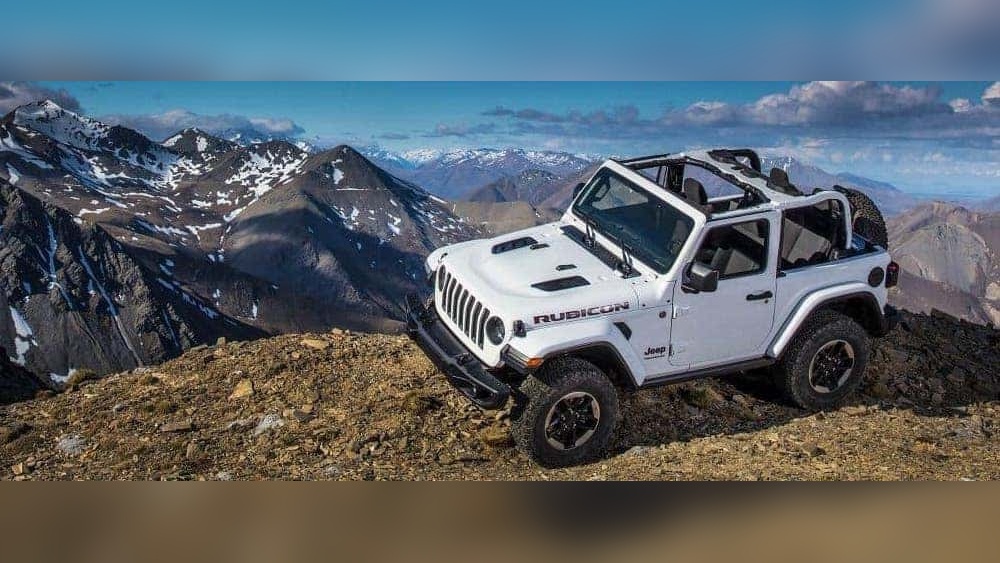
Renting a Jeep in Hawaii can turn a regular vacation into a true adventure. The islands are full of stunning landscapes, from rugged volcanic terrain to hidden beaches. A Jeep lets you explore these places with more freedom than a standard car.
But the process of renting isn’t always straightforward, especially for visitors new to the islands or renting off-road vehicles for the first time. This guide explains what you need to know—step by step—to rent a Jeep in Hawaii smoothly, avoid common mistakes, and have the best trip possible.
Why Rent A Jeep In Hawaii?
Hawaii’s geography is unique. Many top sights are only accessible by rough roads or require higher ground clearance. With a Jeep, you can:
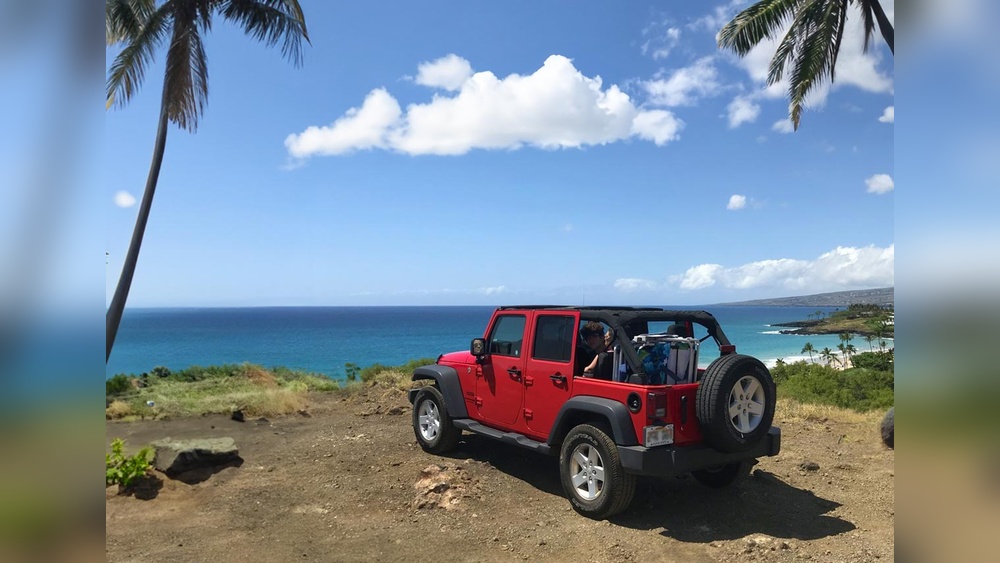
- Reach scenic overlooks and waterfalls not possible with regular sedans.
- Drive the Road to Hana or explore Waipi’o Valley with confidence.
- Enjoy convertible top-down drives along the coast.
A study by Hawaii’s tourism board found that about 30% of visitors rent Jeeps or other SUVs to explore off-the-beaten-path areas. That number is growing as more people seek flexibility and adventure.
Where To Rent A Jeep
You’ll find Jeep rentals in all major Hawaii airports and tourist hubs. The most popular options are:
- National Chains: Companies like Enterprise, Hertz, and Alamo have counters at airports and city centers. These are known for reliable service and newer vehicles.
- Local Agencies: Often offer lower prices or unique Jeep models. Examples include Jeeps Hawaii or Aloha Rents.
- Peer-to-Peer Platforms: Websites like Turo let you rent directly from local owners.
Here’s a comparison of the main rental options:
| Provider | Pros | Cons |
|---|---|---|
| National Chains | Reliable, insurance options, airport pickup | Higher cost, strict policies |
| Local Agencies | Lower prices, flexible terms | Older vehicles, limited locations |
| Peer-to-Peer (Turo) | Unique Jeeps, personal touch | Varied quality, must arrange pickup |

How To Book Your Jeep
Start your search early—demand is high, especially during holidays or whale-watching season. Here’s how to secure the right vehicle:
- Compare Prices: Use aggregator sites like Kayak or Expedia to check several companies at once.
- Check Jeep Model: Not all “Jeeps” are the same. The Jeep Wrangler is the most popular for rugged adventures, but some agencies also offer smaller models.
- Review Terms: Look for unlimited mileage, cancellation policies, and whether off-road driving is allowed.
- Reserve Add-Ons: GPS, child seats, and roof racks may cost extra.
A quick look at typical rates:
| Island | Daily Rate (Low Season) | Daily Rate (High Season) |
|---|---|---|
| Maui | $85–$120 | $140–$200 |
| Oahu | $70–$100 | $110–$180 |
| Kauai | $90–$130 | $150–$210 |
| Big Island | $80–$115 | $120–$190 |
What You Need To Rent A Jeep
Renting a Jeep in Hawaii is similar to mainland USA, but a few details matter:
- Driver’s License: A valid license from your country is required. International visitors may need a translation if it’s not in English.
- Age Requirement: Most companies require drivers to be at least 21, but some charge extra fees for drivers under 25.
- Credit Card: Needed for deposit and payment. Some local agencies may accept debit cards but check ahead.
- Insurance: Rental companies offer insurance, but check if your travel or car insurance already covers rentals.
Non-obvious tip: Some credit cards include rental car coverage, but many exclude off-road driving or “specialty” vehicles like Wranglers. Always confirm.
What To Watch Out For
Renting a Jeep in Hawaii comes with some unique local rules and risks:
- Off-Road Restrictions: Many rental agreements ban off-pavement driving. If you damage the Jeep off-road, insurance won’t cover it.
- Hidden Fees: Airport pickup fees, extra driver charges, and cleaning fees can add $10–$40 per day.
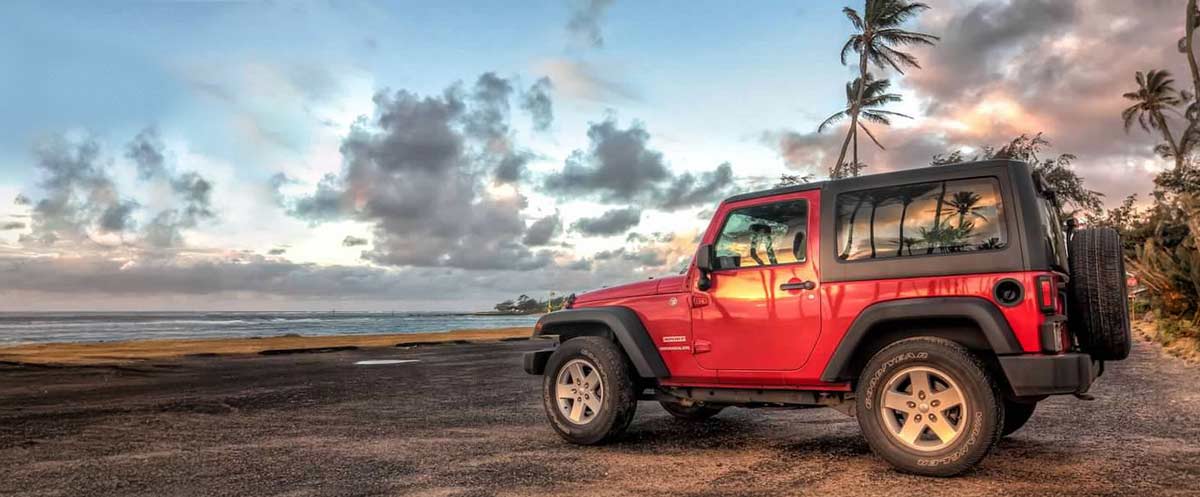
- Convertible Tops: Many Jeeps have soft tops. Ask for a hardtop if you want more security for belongings.
Here’s a quick look at common extra fees:
| Fee Type | Average Cost |
|---|---|
| Additional Driver | $10–$15/day |
| Airport Concession | $25–$35 total |
| GPS Rental | $12–$15/day |
| Cleaning Fee | $50–$100 (if returned dirty) |
Practical insight: Always take photos of the Jeep before you drive away and after you return it. This protects you from unfair damage claims.
Driving Tips For Hawaii
Hawaii’s roads are different from the mainland. Here are some tips to stay safe and enjoy your Jeep:
- Narrow Roads: Many scenic routes are one lane. Drive slowly and watch for locals.
- Respect Signs: If a road is marked “Rental Cars Prohibited,” don’t risk it. Fines and towing costs can be huge.
- Parking: Never leave valuables in the Jeep, even with the top up. Theft does happen.
- Weather: Sudden rain showers are common. If using a soft top, learn how to close it quickly.
Extra tip: Cell service can be limited in remote areas, so download offline maps before you go.

Frequently Asked Questions
How Old Do I Need To Be To Rent A Jeep In Hawaii?
Most companies require renters to be at least 21 years old. Some agencies allow 18-year-olds but charge higher fees. Drivers under 25 usually pay an extra “young driver” fee.
Can I Take My Rental Jeep Off-road In Hawaii?
Usually, no. Most rental contracts prohibit off-road driving or travel on unpaved roads. Doing so can void your insurance and lead to high repair costs.
What Documents Do I Need To Rent A Jeep?
You need a valid driver’s license, a credit card, and sometimes proof of insurance. International visitors may need a passport and a license translation.
Is Insurance Necessary When Renting A Jeep In Hawaii?
Rental agencies offer insurance, but you may already have coverage through your credit card or personal auto policy. Always check the details, especially about off-road exclusions. For more, see this guide from the NerdWallet.
Do I Need To Book My Jeep In Advance?
Yes, especially during peak travel seasons like Christmas or summer. Booking ahead gives you better prices and more choices.
Renting a Jeep in Hawaii is a smart way to see the islands beyond the usual tourist spots. With a bit of planning, you’ll avoid surprises and make the most of your adventure. Just remember to respect local rules, roads, and nature—and your Hawaiian trip will be unforgettable.