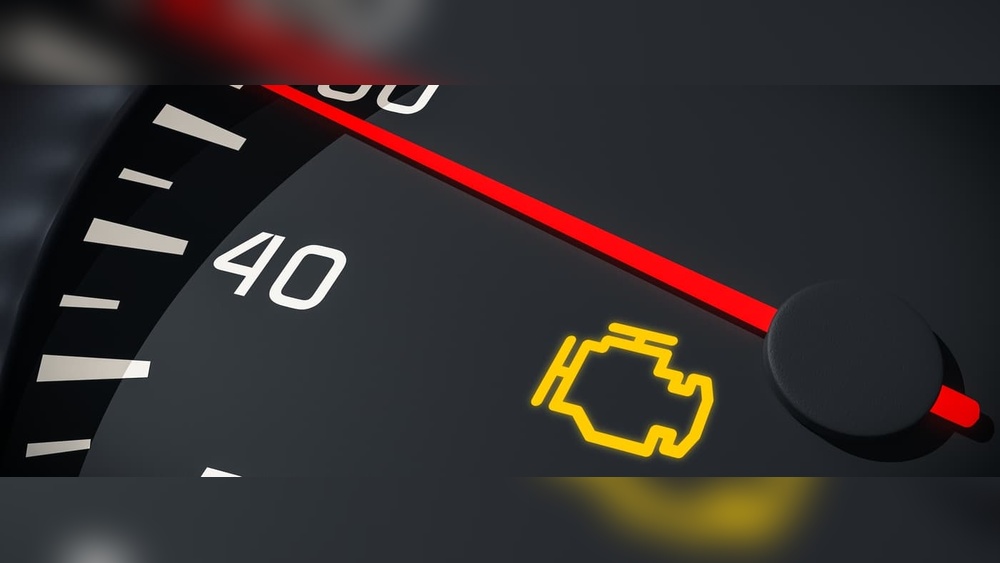
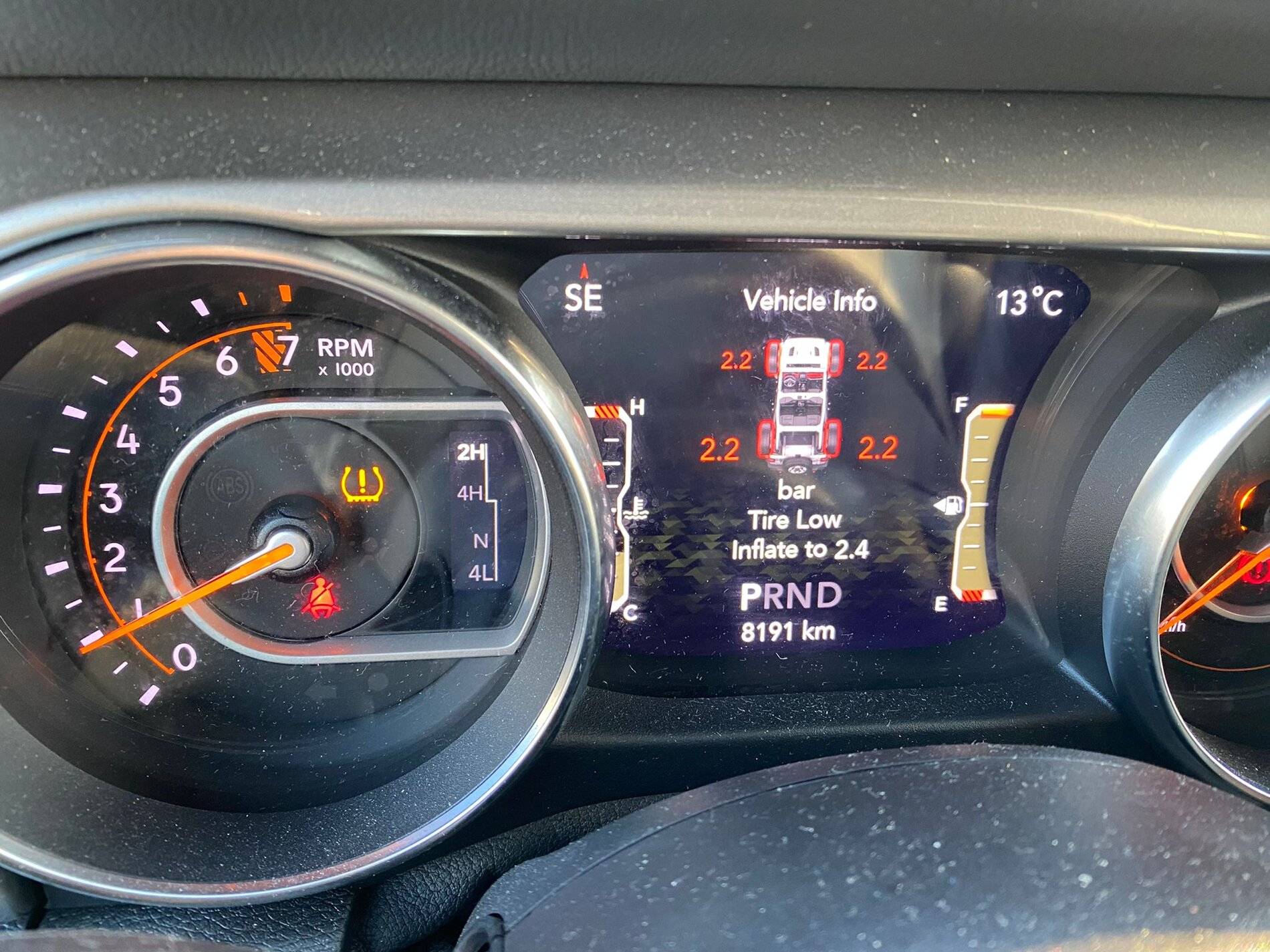
If you drive a Jeep Wrangler, you might notice the tire pressure warning light turning on after a tire change, air refill, or sometimes for no clear reason. This small light on your dashboard can be annoying, but it’s also important for your safety. It warns you when tire pressure is too low, which can affect handling and fuel economy. Many drivers wonder how to turn it off after fixing the issue. Resetting the tire pressure light on your Jeep Wrangler is not difficult, but it does require following the right steps. Let’s walk through what causes the light to stay on, how to reset it, and what to do if it doesn’t turn off.
Why The Tire Pressure Light Comes On
The Tire Pressure Monitoring System (TPMS) in your Jeep Wrangler checks the air pressure in your tires. If any tire drops below the recommended level (usually around 32-37 psi for most Wranglers), the light turns on. Here are the most common triggers:
- Low tire pressure due to leaks, temperature changes, or not enough air.
- Recent tire rotation or replacement, which can confuse the sensors.
- Sensor battery failure or damage, especially in older models.
- Changing wheel size, which may need sensor recalibration.
If the light stays on after you fix your tire, it likely means the system hasn’t reset yet. Let’s look at how you can reset it yourself.
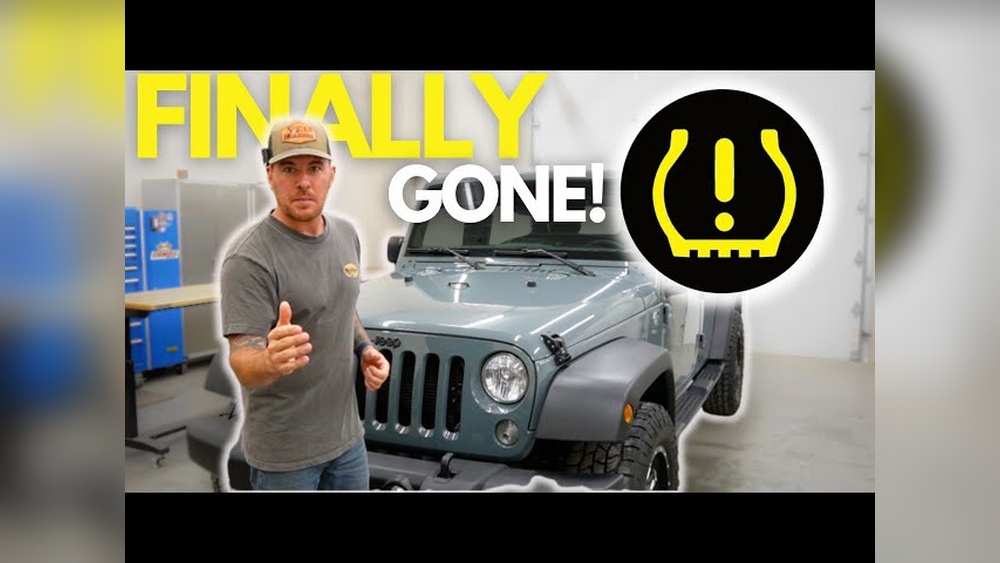
Step-by-step: How To Reset Your Jeep Wrangler Tire Pressure Light
Resetting the tire pressure light is usually simple, but the exact steps can change based on your Wrangler’s year and model. Here’s a practical guide that covers most models from 2007 to 2023.
1. Check And Adjust Tire Pressure
Before trying to reset the light, make sure all your tires (including the spare) are inflated to the correct psi. You’ll find the recommended pressure on a sticker inside the driver’s door.
Steps:
- Use a reliable tire gauge to check each tire.
- Inflate or deflate as needed to match the recommended psi.
- Don’t forget the spare—Wranglers often have the sensor in the spare tire too.
2. Drive To Reset The System
After correcting tire pressure:
- Start your Jeep and drive at 15 mph or higher for at least 10 minutes.
- The TPMS system should recognize the correct pressure and turn off the light automatically.
Tip: Sometimes it takes up to 20 minutes of driving for the light to reset, especially after a cold night.
3. Manual Tpms Reset (for Some Models)
If the light stays on, try this:
- Turn the ignition to the “On” position without starting the engine.
- Press and hold the TPMS reset button (usually under the steering wheel) until the light blinks three times.
- Release the button, start the engine, and let it run for 20 minutes.
Not all Wranglers have a reset button. If yours doesn’t, driving is usually enough.
4. Disconnect The Battery (if Needed)
As a last resort:
- Turn off the Jeep.
- Disconnect the negative battery cable for 10 minutes.
- Reconnect and start the vehicle.
This resets the onboard computer, but use this method only if the other steps fail.
When The Light Won’t Turn Off
Sometimes, the tire pressure light stays on even after you’ve followed all the steps. Here’s why:
- Faulty TPMS sensors: These have a battery life of about 7–10 years. If one fails, the system won’t reset.
- Damaged or missing sensors: Off-road driving, tire changes, or corrosion can damage sensors.
- Wrong tire size or type: Oversized tires or aftermarket wheels may confuse the TPMS.
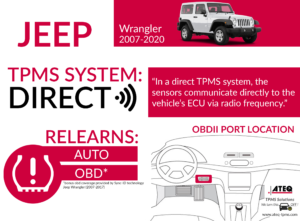
If you suspect a sensor issue, your Jeep’s onboard diagnostics can help. Most auto parts stores or mechanics can read TPMS codes for free or a small fee.
Comparing Wrangler Models: Tpms Features
Different Jeep Wrangler years and trims have slightly different TPMS features. This table shows a quick comparison:
| Model Year | TPMS Type | Reset Button | Spare Tire Sensor |
|---|---|---|---|
| 2007–2011 | Direct (sensor in each tire) | No | Usually |
| 2012–2017 | Direct | Sometimes | Usually |
| 2018–2023 | Direct | No | Optional |
Knowing your model year helps when troubleshooting TPMS issues.
Common Mistakes To Avoid
Many Jeep owners make errors that keep the light on or damage the system:
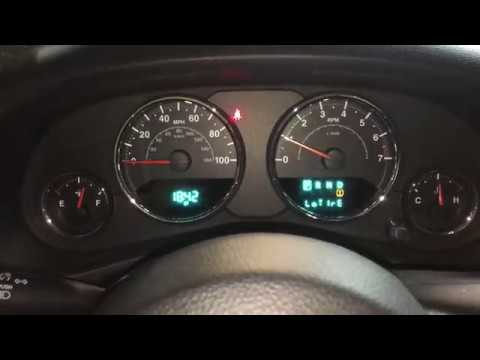
- Ignoring the spare tire. If your Wrangler’s spare has a sensor, low pressure here will keep the light on.
- Mixing tire sizes. Sensors expect all tires to match factory specs.
- Using sealants. Some tire sealants can clog or damage sensors.
- Skipping sensor reprogramming after tire rotation or new tires.
Sensor Lifespan And Replacement Costs
TPMS sensors don’t last forever. Most have an internal battery that wears out. Here’s a quick look at lifespan and cost:
| TPMS Sensor Type | Average Lifespan | Replacement Cost (each) |
|---|---|---|
| OEM (factory) | 7–10 years | $50–$100 |
| Aftermarket | 5–8 years | $30–$70 |
If your Wrangler is over 7 years old, consider replacing all sensors at once for peace of mind.
When To Visit A Mechanic
If the TPMS light flashes or stays on after all resets, it may signal a deeper electrical or sensor problem. A professional can scan your system for error codes and quickly identify the bad sensor.
Non-obvious tip: Some Wranglers need a special TPMS tool to “wake up” new sensors. Without it, the system won’t recognize fresh sensors, even if everything else is done right.
Real-world Example
Mike, a 2015 Wrangler owner, noticed his light stayed on after a tire change. He checked all tires, including the spare, but the light remained. At his shop, the mechanic found a dead sensor battery in the spare. Replacing just that sensor solved the problem.
This shows why you should always check all five tires—not just the four on the ground.
Frequently Asked Questions
Why Does My Tire Pressure Light Come On When It’s Cold?
Cold weather causes air to contract, lowering pressure and triggering the light. Check tires in the morning and add air if needed.
Can I Drive With The Tire Pressure Light On?
You can, but it’s not safe. Low pressure increases the risk of blowouts and poor handling. Always check your tires as soon as possible.
How Do I Know If A Tpms Sensor Is Bad?
A flashing light or a TPMS warning that won’t clear, even after proper inflation, usually means a sensor is dead. Mechanics use a scan tool to confirm.
Will Larger Tires Affect The Tpms System?
Yes. Installing larger or non-factory tires can confuse the sensors, requiring recalibration or new sensors.
Where Can I Learn More About Tpms Technology?
For an in-depth look, visit the Wikipedia TPMS page.
Resetting your Jeep Wrangler tire pressure light isn’t hard if you follow the right steps. Always start with proper inflation, check all tires including the spare, and drive for a few minutes. If the light stays on, consider sensor issues.
Taking care of your TPMS keeps you safer and your Wrangler running smoothly.