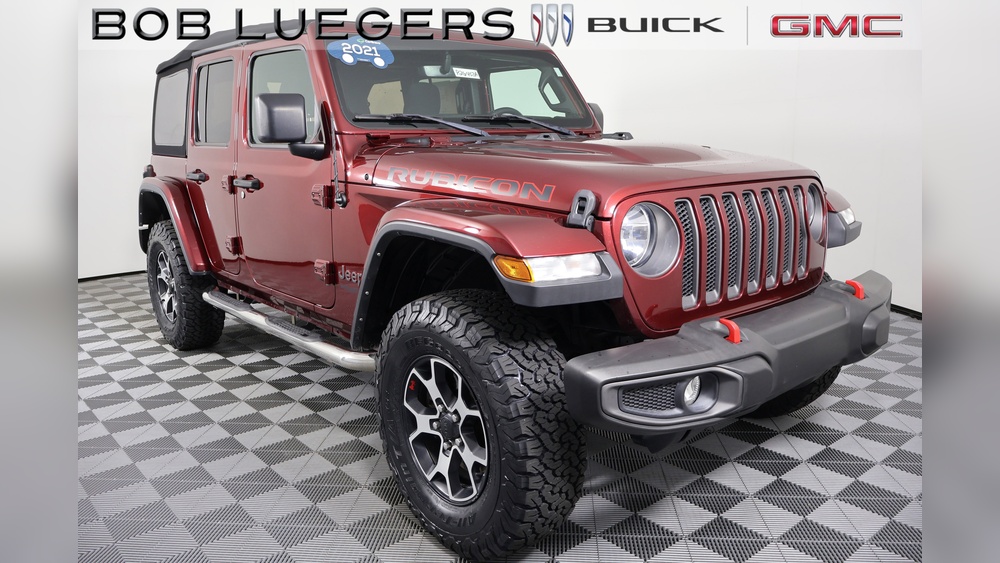
Getting behind the wheel of a 4 wheel drive Jeep is exciting for anyone who loves adventure. These vehicles are built to handle tough roads, steep hills, mud, snow, and more. But many people do not know how to use all the features and driving modes correctly. Learning how to drive a Jeep with four-wheel drive can help you stay safe, protect your vehicle, and get the best performance.
Understanding 4 Wheel Drive Jeep Modes
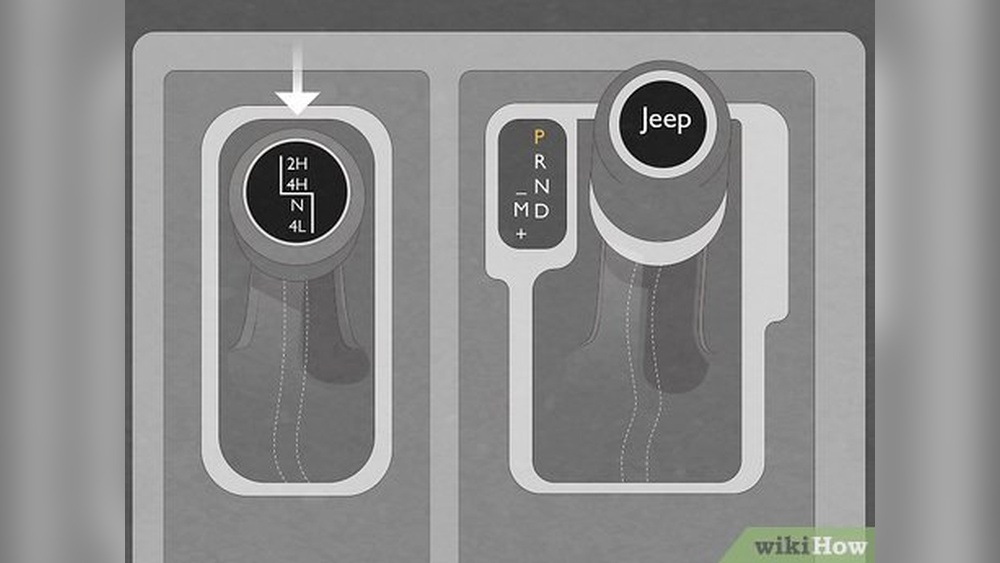
Jeep models with four-wheel drive usually have several driving modes. Each mode is designed for different conditions. Using the right mode is essential for safety and efficiency.
| Mode | Best For | Speed Range |
|---|---|---|
| 2H (Two-Wheel High) | Normal roads | 0-65 mph |
| 4H (Four-Wheel High) | Wet, snowy, or loose gravel | 0-55 mph |
| 4L (Four-Wheel Low) | Off-road, steep hills | 0-25 mph |
| Auto | Mixed conditions | 0-65 mph |
Many beginners forget to switch modes based on road type. For example, using 4L on dry pavement can damage your Jeep’s drivetrain. Always check the mode before you start driving.
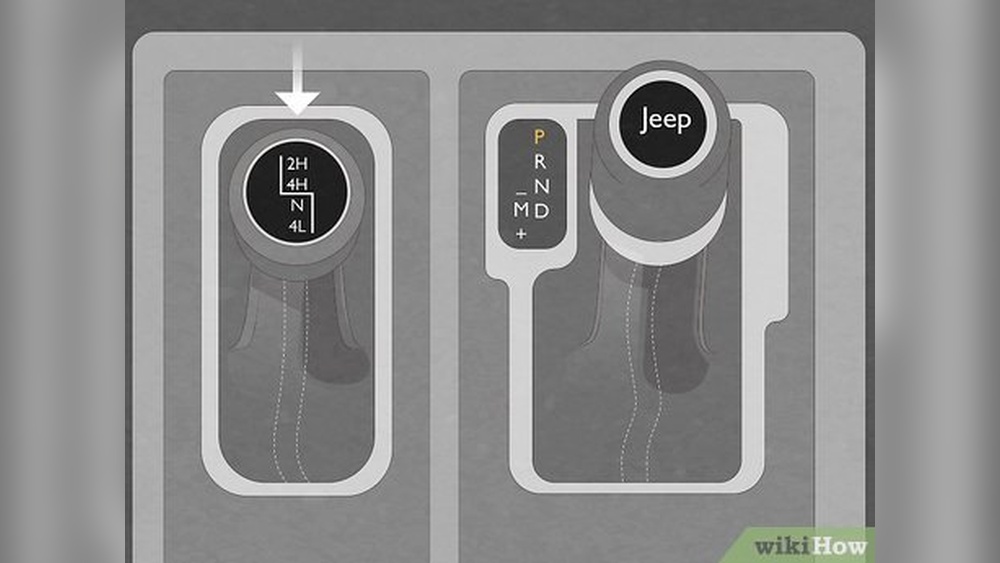
1. Using 2h (two-wheel High)
2H is the default mode for most Jeeps. It uses only the rear wheels for power. This mode gives the best fuel efficiency and smooth driving on dry, paved roads.
To use 2H:
- Make sure you are on a normal road without mud or snow.
- Set the transfer case lever to 2H.
- Drive as usual; you do not need to change anything else.
Tip: Many drivers think four-wheel drive should be used all the time. In fact, using 2H on dry roads helps your tires last longer and saves gas.
2. Using 4h (four-wheel High)
4H is for situations where you need extra traction, like rain, snow, or gravel. Power is sent to all four wheels, which helps prevent slipping.
To activate 4H:
- Slow down to under 55 mph.
- Shift the lever from 2H to 4H. You can usually do this while moving, but check your Jeep’s manual.
- The dashboard will show you are in 4H mode.
Examples:
- Driving on icy highways.
- Crossing muddy fields.
- Going up slippery hills.
Non-obvious insight: Do not use 4H on dry pavement. The extra grip is not needed, and it can cause the tires to wear out unevenly.
3. Using 4l (four-wheel Low)
4L gives maximum power and control for tough off-road situations. It is best for steep hills, deep mud, heavy snow, and rocky terrain.
To use 4L:
- Stop the Jeep completely.
- Shift the gear to neutral.
- Move the transfer case lever to 4L.
- Wait for the indicator to show you are in 4L, then shift back to drive.
Situations for 4L:
- Climbing a steep mountain trail.
- Descending rocky slopes.
- Getting out of deep mud or sand.
| Situation | Recommended Mode | Risk If Wrong Mode |
|---|---|---|
| Steep hill climb | 4L | Loss of control |
| Icy highway | 4H | Skidding |
| Dry highway | 2H | Drivetrain damage |
Beginner mistake: Many drivers forget to shift the gear to neutral before switching to 4L. This can damage the transfer case.

4. Using Auto Mode
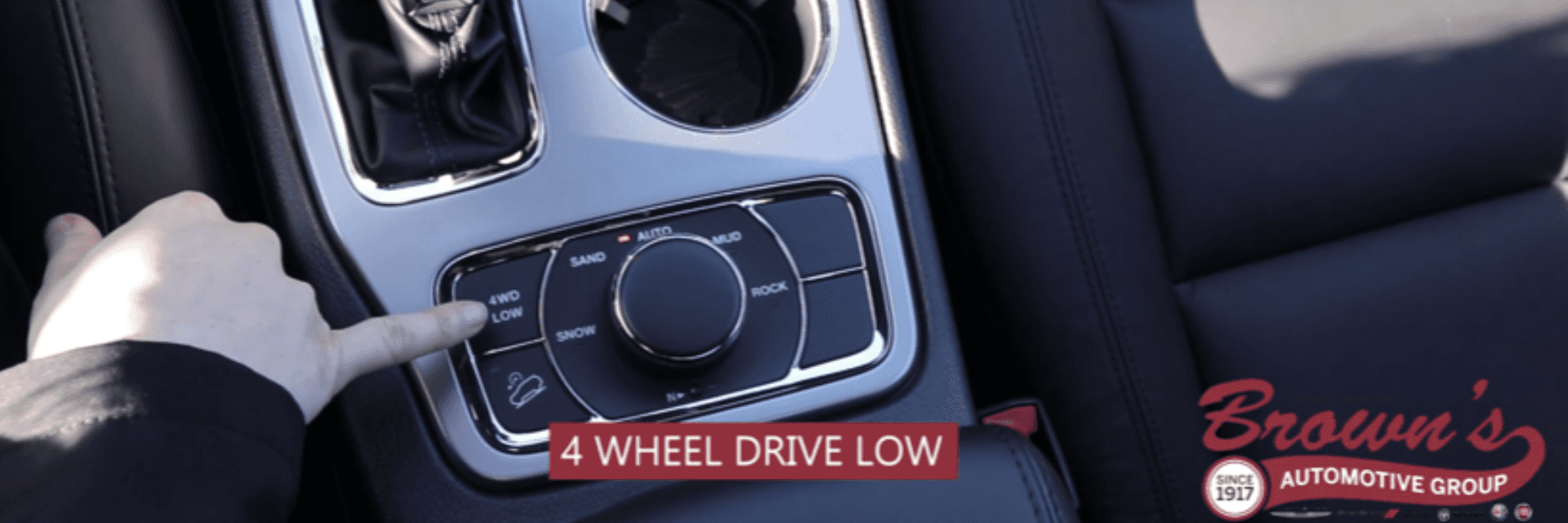
Some modern Jeeps have an Auto mode. The vehicle’s computer chooses the best drive mode based on the road and wheel sensors. This is helpful for changing conditions, like when you drive from dry pavement into mud or snow.
To use Auto:
- Set the transfer case to Auto.
- Drive normally; the Jeep will handle the rest.
Example: If you start on a dry road and suddenly hit a patch of ice, Auto mode will send power to all wheels as needed.
Insight: Auto mode is convenient, but experienced drivers still prefer to choose modes manually for better control.
Practical Tips For Driving A 4 Wheel Drive Jeep
- Plan your route: Check weather and road conditions before you leave.
- Check tire pressure: Proper pressure gives better traction and safety.
- Know your Jeep’s limits: Not all Jeeps can handle deep water or rough rocks.
- Practice switching modes: Try changing modes in a safe place before you go off-road.
- Go slow in 4L: High speed in 4L can damage the Jeep.
- Avoid sharp turns: Turning sharply in 4H or 4L can stress the drivetrain.
Common Mistakes To Avoid
- Using four-wheel drive on dry roads.
- Switching to 4L while moving.
- Forgetting to shift back to 2H after off-road.
- Not checking for warning lights after changing modes.
How Driving Modes Affect Performance
Switching between different drive modes changes how the Jeep handles and performs. Here is a quick comparison.
| Mode | Fuel Efficiency | Traction | Handling |
|---|---|---|---|
| 2H | Best | Normal | Smooth |
| 4H | Lower | Better | Safe in slippery |
| 4L | Lowest | Maximum | Controlled, slow |
| Auto | Varies | Optimized | Adaptive |
Safety Reminders
Always wear your seatbelt and keep both hands on the steering wheel. Avoid distractions when using four-wheel drive modes. If you are unsure about terrain, stop and check before proceeding.
For more detailed information on four-wheel drive systems, you can visit Wikipedia.
Driving a 4 wheel drive Jeep is not just about pushing buttons or pulling levers. It requires knowledge, practice, and good judgment. The right mode can help you explore new places safely and enjoy every journey.
Frequently Asked Questions
How Do I Know Which Mode To Use In My Jeep?
Check road conditions. Use 2H for dry roads, 4H for slippery surfaces, 4L for tough off-road, and Auto for mixed conditions.
Can I Switch From 2h To 4h While Driving?
Yes, you can shift from 2H to 4H at low speeds (usually under 55 mph). Always check your Jeep’s manual for specifics.
Is It Safe To Drive In 4l On The Highway?
No, 4L is only for low-speed off-road situations. Using it on the highway can damage the vehicle and reduce control.
What Happens If I Use The Wrong Mode?
Using the wrong mode can lead to drivetrain damage, poor handling, and faster tire wear. Always select the correct mode for the conditions.
Do All Jeeps Have Auto Mode?
No, only some newer Jeep models offer Auto mode. Older models usually have 2H, 4H, and 4L only. Check your Jeep’s features before driving.