Removing the center caps from your Jeep wheels might sound simple, but there are a few important things to know before you start. Whether you want to upgrade your rims, clean behind the caps, or just replace a worn-out cap, doing it the right way keeps your wheels looking great and prevents damage.
Many Jeep owners run into common mistakes, like scratching the rim or breaking a cap, which can be expensive to fix. This guide will show you the safest, fastest way to remove Jeep center caps, with tips you won’t find in your regular manual.
Understanding Jeep Center Caps
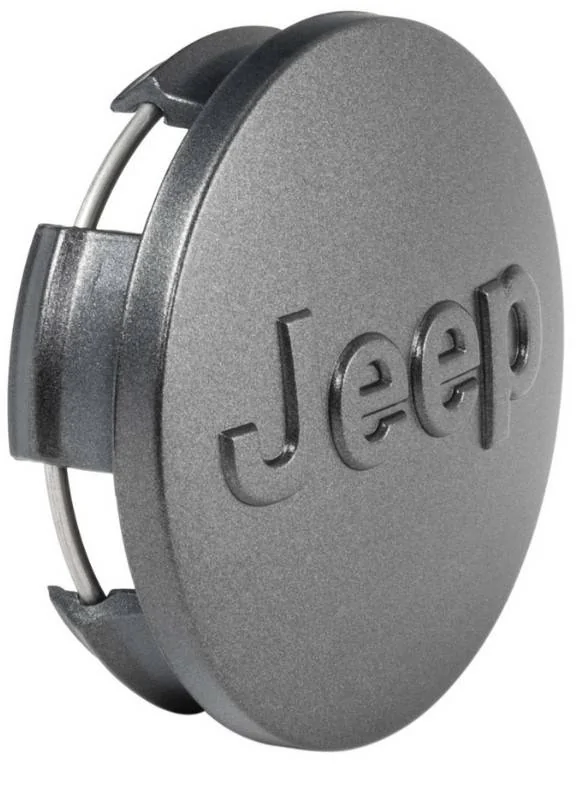
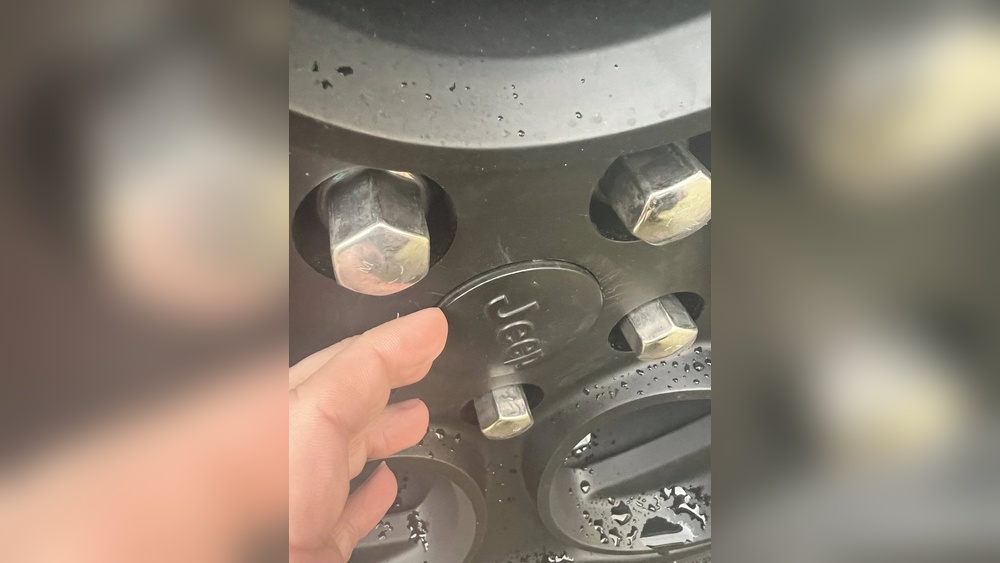
Jeep center caps are small covers in the middle of your wheel. They protect the wheel hub and give your Jeep a finished look. Most Jeep models, like the Wrangler, Cherokee, and Grand Cherokee, use either pop-in or bolt-on center caps. Each type needs a different removal method, so check what you have before you start.
Common Cap Types
| Cap Type | How It Attaches | Common Models |
|---|---|---|
| Pop-in (Snap-on) | Plastic clips, pushed into place | Wrangler, Renegade |
| Bolt-on | Small screws or bolts | Grand Cherokee, older Jeeps |
Pop-in caps are more common on newer Jeeps. They can be removed without taking the wheel off. Bolt-on caps often need the wheel removed first.
Tools You’ll Need
Having the right tools makes the process smooth and prevents costly mistakes. Here’s what you’ll need:
- Plastic trim removal tool (or a plastic spatula)
- Small flathead screwdriver (for bolt-on caps)
- Socket wrench (if bolts are present)
- Gloves (to protect your hands)
- Soft cloth (to avoid scratching the rim)
Using plastic tools instead of metal ones is important. Metal can scratch or dent your wheels, while plastic is gentle but strong enough for the job.
How To Remove Jeep Center Caps: Step-by-step
Now let’s get into the actual process. Follow these steps carefully, depending on your cap type.
For Pop-in (snap-on) Center Caps
- Clean the Wheel Area: Wipe away dirt around the cap with a soft cloth. Dirt can scratch the finish during removal.
- Insert Plastic Tool: Gently slide a plastic trim tool between the cap edge and the rim. Start at one side, not the center.
- Pry Slowly: Wiggle the tool to loosen the cap. Work around the cap, moving a little at a time.
- Lift Out: Once loose, pull the cap straight out. Don’t twist—it can break the clips.
Pro Tip: If the cap feels stuck, do not force it. Spray a little soapy water around the edge, wait a minute, then try again. Beginners often break clips by rushing.
For Bolt-on Center Caps
- Remove Wheel (If Needed): Some bolt-on caps are behind the wheel. Use a jack and remove the wheel for access.
- Locate Screws or Bolts: Find all fasteners holding the cap.
- Unscrew Carefully: Use a screwdriver or socket wrench to remove bolts. Keep them safe—they’re easy to lose.
- Lift Off Cap: Pull the cap off gently. If it sticks, check for hidden screws.
Non-obvious Insight: Jeep sometimes uses a mix of bolts and clips on the same cap. Always check for both before pulling.
Comparison: Pop-in Vs. Bolt-on Removal
Here’s a quick look at the main differences:
| Step | Pop-in Caps | Bolt-on Caps |
|---|---|---|
| Wheel Removal Needed? | No | Sometimes |
| Tools Needed | Plastic trim tool | Screwdriver, socket wrench |
| Damage Risk | Breaking clips | Stripping bolts |
What To Do After Removing The Center Caps
Don’t rush to put the caps back or install new ones. Take a moment to clean and inspect the hub area:
- Clean the hub: Wipe away brake dust and dirt.
- Check for rust: Surface rust is common. Clean it with a wire brush if needed.
- Inspect the cap: Look for broken clips or cracks. Replace damaged caps.
If you’re upgrading wheels, now is the best time to clean everything before reinstalling.

Avoiding Common Mistakes
Many first-timers make simple errors that cost time or money. Here are two common mistakes and how to avoid them:
- Using Metal Tools: Metal can scratch the rim or snap the cap. Stick with plastic.
- Forgetting Hidden Bolts: Some caps have small bolts hidden under dirt or stickers. Always check closely.
Extra Insight: Some Jeep center caps are designed for one-time use and don’t fit tightly after removal. If yours feels loose after reinstalling, consider buying a new one for a secure fit.
How To Reinstall Jeep Center Caps
Reinstalling is simple but do it with care:
- Align the cap with the wheel opening.
- For pop-in caps, press evenly until you hear a snap.
- For bolt-on caps, hand-tighten bolts first, then use the wrench for a snug (not overtight) fit.
Tip: Do not overtighten bolts—this can crack plastic caps.

When To Replace Center Caps
If your Jeep’s center caps are cracked, faded, or won’t stay on, it’s time to replace them. High-quality replacements cost $20–$50 each. Always buy the right size for your wheel model. For original Jeep parts, check the official Mopar Jeep Parts site.
Here’s a quick comparison of cap material durability:
| Material | Durability | Weather Resistance |
|---|---|---|
| Plastic | Medium | Good |
| Aluminum | High | Excellent |
Frequently Asked Questions
How Do I Know If My Jeep Center Caps Are Bolt-on Or Pop-in?
Check the cap closely. If you see small screws or bolts, it’s bolt-on. If the cap is smooth with no visible fasteners, it’s likely pop-in.
Can I Remove Jeep Center Caps Without Removing The Wheel?
Yes, for most pop-in caps. Bolt-on caps, especially older models, may require you to take the wheel off for access.
Will Removing The Center Cap Affect My Jeep’s Performance?
No, the cap is mostly decorative and protective. However, driving without it may let dirt into the hub area over time.
What Should I Do If A Center Cap Clip Breaks?
If a clip breaks, the cap may not fit tightly. It’s best to replace the cap to avoid losing it while driving.
Where Can I Find Replacement Jeep Center Caps?
You can buy replacements from the Jeep dealer, online car part stores, or the official Mopar site. Always match the size and style to your wheel model.
Removing Jeep center caps is a quick job if you use the right tools and take your time. With these tips, you can protect your wheels, avoid damage, and keep your Jeep looking sharp. Now you’re ready to tackle this small but important maintenance task with confidence.