Checking the transmission fluid in your Jeep Liberty is a simple but crucial task for keeping your vehicle running smoothly. When your transmission fluid level is low or dirty, your Jeep can develop shifting problems, overheating, or even long-term damage. But many owners feel uncertain about doing this check themselves. If you follow the right steps and pay attention to a few details, you can do it confidently at home—no mechanic needed.
Why Transmission Fluid Matters
Transmission fluid is more than just a lubricant. It cools, cleans, and helps move the gears inside your Jeep Liberty’s automatic transmission. Without enough clean fluid, your Jeep can slip gears, hesitate, or make strange noises. In severe cases, it may even lead to expensive repairs.
Surprisingly, many drivers miss early warning signs because they do not check their fluid often enough. Experts recommend checking your transmission fluid every month or at least every few months, especially if your Jeep is over five years old or has more than 60,000 miles.
Tools And Preparation
Before you begin, make sure you have these items ready:
- Clean rag or paper towel
- Flashlight (for better visibility)
- Funnel (only if you need to add fluid)
- Transmission fluid (Jeep recommends ATF+4 for most Liberty models; always check your owner’s manual)
Always park your Jeep on a level surface and set the parking brake. For the most accurate reading, the engine should be warm and running. If you check when the engine is cold, the reading will likely be low.

Step-by-step Guide To Checking Transmission Fluid
Follow these steps carefully to get the correct result:
- Start the engine and let it idle. Transmission fluid expands as it warms up, so you need the engine on and at normal operating temperature.
- Shift through all the gears. With your foot on the brake, move the shifter slowly through all positions—P, R, N, D, and back to Park. This makes sure fluid circulates everywhere.
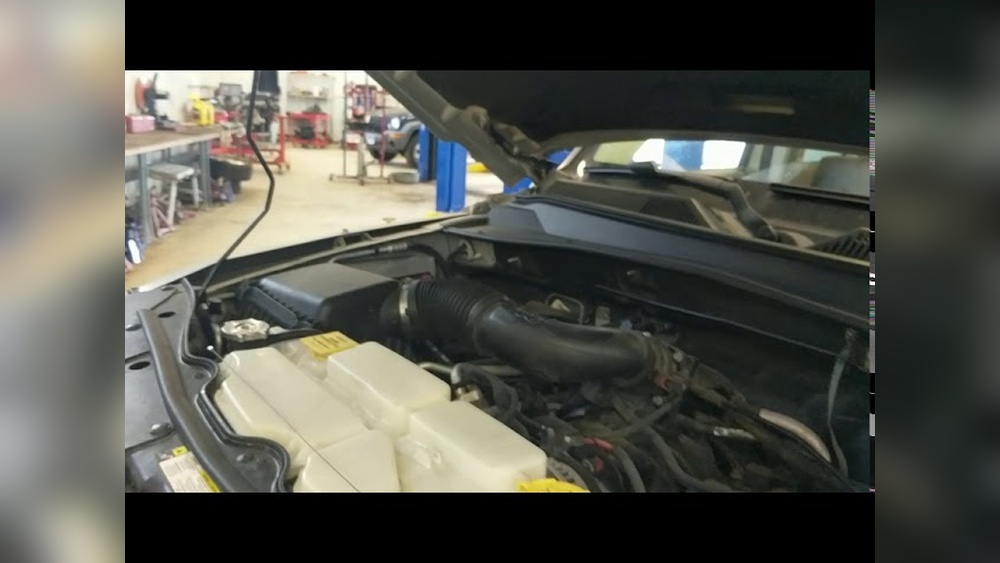
- Open the hood. Secure it with the prop rod if needed.
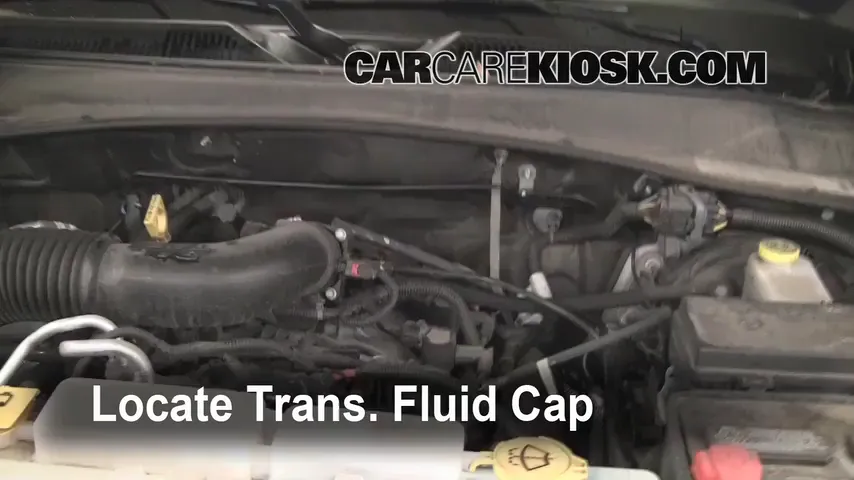
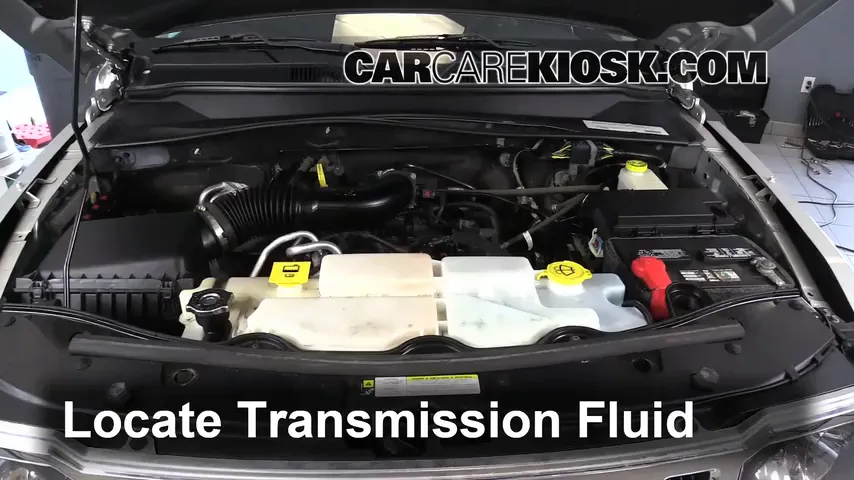
- Locate the transmission dipstick. In most Jeep Liberty models, the dipstick is on the passenger side of the engine bay, often with a yellow or red handle labeled “ATF.”
- Pull out the dipstick. Wipe it clean with your rag.
- Reinsert the dipstick fully. Wait a few seconds, then pull it out again.
- Check the fluid level. Look at both sides of the dipstick. The fluid should be between the “Add” and “Full” marks. If it’s below the “Add” mark, you need more fluid.
- Check fluid color and smell. Healthy fluid is bright red and slightly sweet-smelling. If it’s dark, brown, or smells burnt, it should be changed.
- Add fluid if needed. Only use the type recommended by Jeep. Add slowly (about half a cup at a time) through the dipstick tube, checking the level each time.
- Do not overfill. Too much fluid is as bad as too little and can cause foaming or shifting problems.
Typical Fluid Level Range
Here’s how the dipstick marks usually appear:
| Mark | Meaning |
|---|---|
| Full | Fluid at correct level |
| Add | Needs more fluid |
| Low | Immediate attention needed |
Common Mistakes To Avoid
Many first-timers make errors that can affect their results. Here’s what you should watch for:
- Checking when cold: Always check fluid when the engine is at operating temperature.
- Not shifting gears first: Skipping this can leave fluid in parts of the transmission, causing a false low reading.
- Using wrong fluid type: Never mix brands or types; always use what Jeep recommends.
- Overfilling: Excess fluid can cause foaming and transmission damage.
How Often Should You Check?
For most Jeep Liberty models, checking once a month is enough. But if you tow heavy loads, drive in extreme heat, or notice any changes in shifting, check more often.
Fluid changes are typically recommended every 30,000 to 60,000 miles, but always confirm with your owner’s manual. Some newer vehicles have “lifetime” fluid, but many experts still suggest periodic checks.
Signs You Need To Check Or Change Transmission Fluid
Sometimes, your Jeep will give signals before major trouble:
- Delayed or hard shifts
- Slipping gears
- Strange noises (whining, grinding)
- Red fluid spots under the vehicle
- Overheating transmission warning
If you notice any of these, check your fluid right away—even if you did it recently.
What To Do If The Fluid Is Low Or Dirty
If you find the fluid is low, add more in small amounts and recheck after each addition. If the fluid is dirty or smells burnt, a full fluid and filter change is needed. For this, many owners prefer to visit a mechanic, but skilled DIYers can do it at home with the right tools.
If you see metal flakes or foam in the fluid, this often points to serious internal problems. Do not drive the vehicle—get professional help immediately.
Troubleshooting: When The Dipstick Is Missing
Not all Jeep Liberty models have a traditional dipstick. Some 2012 models, for example, use a “sealed” transmission. For these, you need special tools and sometimes a scan tool to check the level. If your vehicle has no dipstick, it’s best to ask a dealer or trusted mechanic for help.
Quick Comparison: Transmission Fluid Health
If you’re unsure about your fluid’s condition, use this quick guide:
| Fluid Color | Odor | Action Needed |
|---|---|---|
| Bright red | Slightly sweet | OK |
| Pink | No odor | Replace soon |
| Brown or black | Burnt or strong | Change fluid now |
Extra Tips For Accurate Results
Many guides forget these extra steps, but they can make your check more accurate:
- Wait at least 30 seconds after shifting through gears before checking the level. This allows all fluid to settle.
- Use a flashlight to inspect fluid color. Sunlight can make dark fluid appear lighter.
Also, always keep a small bottle of your Jeep’s recommended fluid in the trunk. If you ever get a warning light or notice a leak, you can top up before damage happens.
Frequently Asked Questions
How Often Should I Check The Transmission Fluid In My Jeep Liberty?
You should check the transmission fluid once a month, or more often if you drive in tough conditions or notice any shifting problems.
What Type Of Transmission Fluid Does A Jeep Liberty Use?
Most Jeep Liberty models use ATF+4 automatic transmission fluid. Always double-check your owner’s manual for your specific year.
Can I Use Any Brand Of Atf+4 Fluid?
It’s best to use Mopar ATF+4 or a brand that clearly says it meets Chrysler’s standards. Mixing fluids or using a generic fluid can cause problems.
What If My Jeep Liberty Has No Dipstick?
Some later models have a sealed transmission. These need special tools and should be checked by a professional.
Where Can I Learn More About Transmission Maintenance?
For more details, visit the National Highway Traffic Safety Administration for Jeep Liberty maintenance and safety information.
Taking the time to check your Jeep Liberty’s transmission fluid can save you money and stress. With the right steps, you’ll keep your Jeep running reliably for many years.