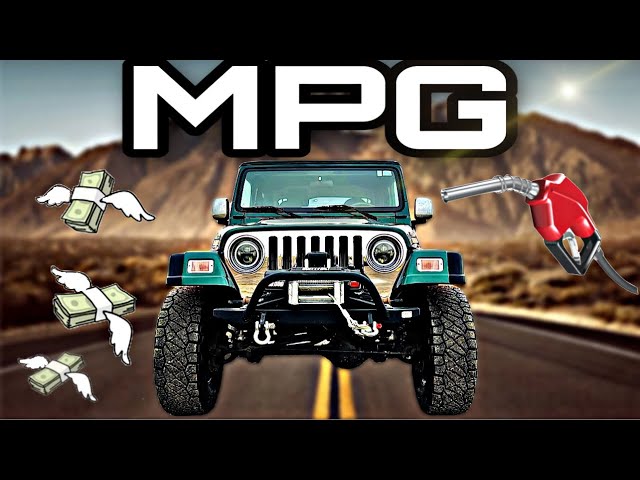
Jeep Wranglers are famous for their rugged style and off-road power. But if you drive one, you probably know they are not the best for saving gas. Improving gas mileage in a Jeep Wrangler is possible, though. Small changes in driving habits, maintenance, and upgrades can help you get more miles per gallon (MPG). This guide will show you practical steps to spend less money on fuel without losing the fun of driving your Wrangler.
Understanding Jeep Wrangler Gas Mileage
The typical Jeep Wrangler gets between 17–25 MPG, depending on the model and year. Older Wranglers and those with bigger tires or lifted suspensions use more fuel. Wind resistance and weight also make a difference. If you use your Jeep for off-roading or carry heavy gear, your gas mileage may drop even more.
Here’s a quick look at estimated MPG by model:
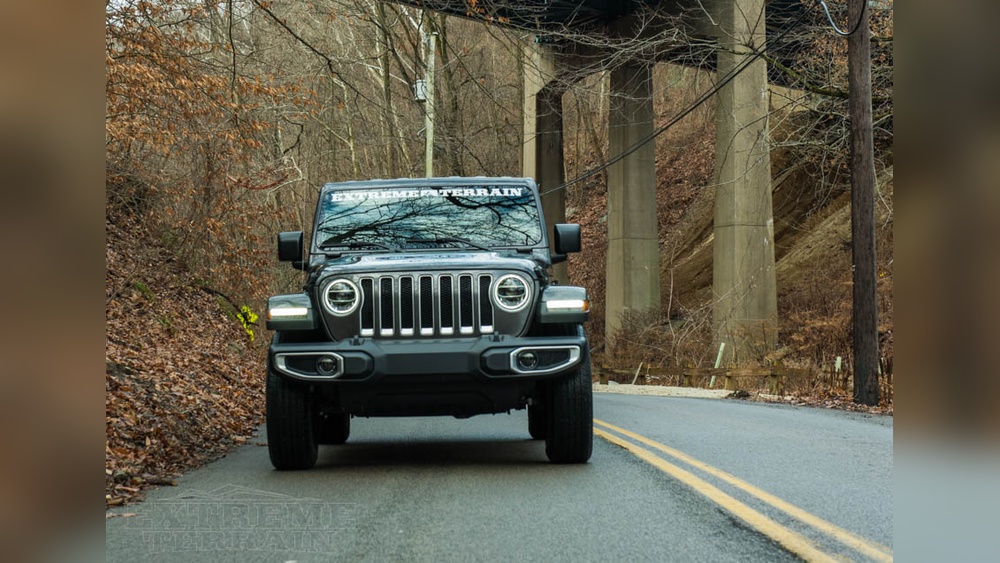
| Model | Engine | Estimated MPG (city/highway) |
|---|---|---|
| Wrangler JK (2007–2018) | 3.6L V6 | 17/21 |
| Wrangler JL (2018–2024) | 2.0L Turbo | 22/24 |
| Wrangler 4xe (Hybrid) | 2.0L Plug-in | 49 MPGe |
Easy Driving Habits To Boost Mpg
Changing the way you drive can improve fuel economy more than you may think. Try these simple tips:
- Smooth acceleration – Press the gas pedal gently. Quick starts waste fuel.
- Maintain steady speed – Use cruise control on highways when possible.
- Limit idling – Turn off your engine if you’ll wait more than a minute.
- Coast to stops – Let your Jeep slow down naturally before braking.
- Obey speed limits – Driving over 65 mph can lower your mileage by up to 15%.
Small changes in your daily driving can increase your Jeep’s MPG by 5–10%. Most drivers overlook how much habits matter.
Regular Maintenance For Better Mileage
Keeping your Wrangler in top shape helps the engine run efficiently. Focus on these areas:
- Tire pressure: Under-inflated tires increase rolling resistance and burn more gas. Check pressure monthly.
- Clean air filter: A dirty air filter makes your engine work harder. Replace it every 12,000–15,000 miles.
- Oil changes: Use the right oil type and change it on schedule. Synthetic oil can sometimes boost MPG.
- Spark plugs: Worn spark plugs cause misfires and reduce efficiency. Replace as recommended.
- Wheel alignment: Misaligned wheels create drag. Have alignment checked after off-roading or hitting potholes.
Here’s a quick maintenance impact summary:
| Maintenance Task | Potential MPG Improvement |
|---|---|
| Proper tire inflation | +3% |
| New air filter | +2% |
| Fresh spark plugs | +1% |
Smart Upgrades And Modifications
Some Wrangler upgrades can hurt gas mileage, but others help. Consider these smart changes:
- Low-resistance tires: Choose all-terrain tires with less aggressive tread for everyday driving.
- Lightweight wheels: Alloy wheels weigh less than steel and reduce rolling resistance.
- Aerodynamic aids: Remove roof racks, light bars, or soft tops when not in use. They increase wind drag.
- Gearing: If you’ve added larger tires, re-gearing your axles can restore lost power and improve MPG.
- Engine tuners: Some tuners offer fuel-saving modes by adjusting the air/fuel mix.
Many drivers forget that every 100 pounds of extra weight can reduce MPG by about 1%. Removing unnecessary gear or cargo helps more than you’d expect.
Fuel Choices And Additives
The right fuel can make a small difference. Always use the octane rating recommended in your owner’s manual—higher octane does not improve performance unless your engine needs it.
Fuel additives promise better mileage, but most do not deliver. Only use additives approved by Jeep or the EPA. Some reputable fuel system cleaners can help if your engine runs rough or idles poorly.
Real-world Example: Before And After
Let’s look at how small changes add up. Suppose your 2018 Wrangler gets 20 MPG:
- After tuning up the engine, inflating tires, and removing your roof rack, your MPG improves to 23.
- If you drive 12,000 miles per year, that saves you about 78 gallons of fuel—or $312 per year (at $4/gallon).
This shows that gas mileage improvements aren’t just about numbers—they save real money over time.
Common Mistakes To Avoid
Many Jeep owners try to boost MPG with flashy upgrades or extreme driving changes. Here are mistakes to skip:
- Oversized tires without proper re-gearing can lower MPG by 2–4.
- Heavy armor and bumpers look good but add weight and hurt efficiency.
- Aggressive off-roading right before checking MPG will always show poor results.
- Ignoring check engine lights—they can signal problems that waste fuel.
Comparing Stock Vs. Modified Jeep Wranglers
How much does modifying your Wrangler impact gas mileage? Here’s a simple comparison:
| Setup | Estimated MPG |
|---|---|
| Stock (factory, no mods) | 21 |
| 2″ lift, 33″ tires, steel bumpers | 17 |
| Stock height, low-resistance tires | 22 |
You can see that even small changes have a big effect.
Wrapping Up
Getting better gas mileage from your Jeep Wrangler is possible with a few smart choices. Focus on driving habits, regular maintenance, and removing extra weight. Consider your upgrades carefully and remember that even little steps save money over time. Improving MPG does not mean giving up the fun of owning a Wrangler—it just makes your adventures last longer.
For official tips on fuel economy, you can check out the U.S. Department of Energy’s Fuel Economy site.
Frequently Asked Questions
What Is The Average Gas Mileage For A Jeep Wrangler?
Most Jeep Wranglers get between 17 and 25 MPG. The exact number depends on the engine, model year, and modifications.
Does Lifting My Jeep Hurt Gas Mileage?
Yes. A lift kit raises your Jeep and adds wind resistance. Larger tires also increase weight and rolling resistance, usually lowering MPG by 2–4.
Will A Cold Air Intake Help My Wrangler’s Mpg?
A cold air intake can slightly improve engine efficiency, but most drivers see only a small increase in MPG—often less than 1.
Only use premium gas if your owner’s manual recommends it. Most Wranglers run best on regular 87-octane fuel.
Are There Any Quick Fixes For Better Gas Mileage?
The fastest improvements are proper tire inflation, removing excess cargo, and driving more smoothly. These can boost MPG by 5–10% without spending money.