Jump starting a vehicle can feel intimidating, especially if it’s your first time. For Jeep Patriot owners, knowing how to safely jump start your SUV can save time and prevent bigger issues. This guide covers every step you need, explains key safety tips, and answers common questions.
By the end, you’ll feel confident to handle a dead battery situation.
Understanding Your Jeep Patriot’s Battery
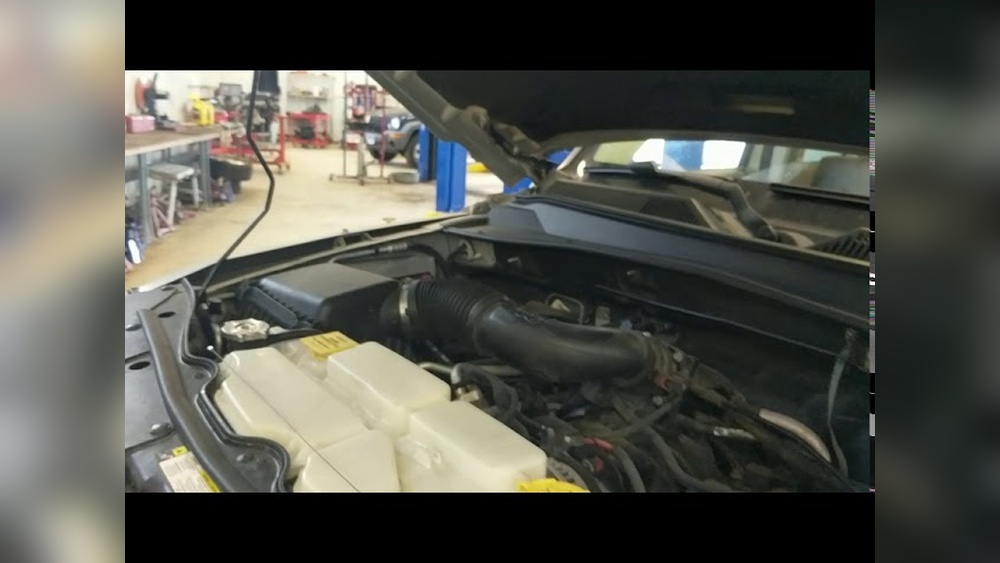
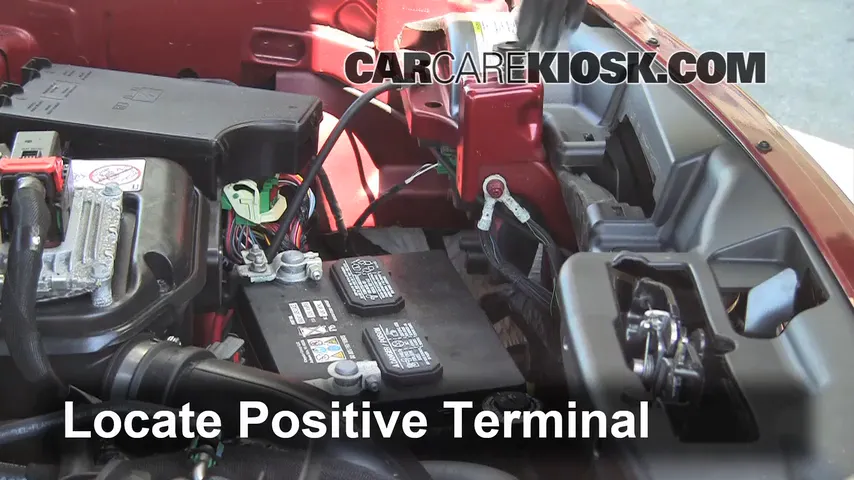
The Jeep Patriot uses a 12-volt battery found under the hood, usually on the driver’s side. Most models have a standard lead-acid battery, but some may use AGM (Absorbent Glass Mat) types. The battery powers everything from the starter to the radio. When it fails, you’ll notice dim lights, slow cranking, or no response when turning the key.

Here’s a comparison of battery types you might see in your Jeep Patriot:
| Battery Type | Durability | Maintenance | Cost |
|---|---|---|---|
| Lead-Acid | 3-5 years | Occasional | $75-$120 |
| AGM | 4-7 years | Low | $150-$250 |
If your battery is over three years old, or you see corrosion on the terminals, it’s a sign you might need a jump or even a replacement.
Preparing To Jump Start Safely
Before you start, safety is crucial. Make sure you have the right tools and follow these steps:
- Get jumper cables: Choose thick, high-quality cables at least 10 feet long.
- Find a helper vehicle: A running car with a similar voltage (12V) is best.
- Park both cars: Position them close but not touching. Turn off engines and lights.
- Check battery condition: If the battery is leaking or damaged, do not jump start.
Many beginners forget to check the owner’s manual for model-specific instructions or warnings. For Jeep Patriots, avoid touching the metal parts of the cables to prevent sparks.
Step-by-step Jump Starting Process
Jump starting a Jeep Patriot is simple if you follow these clear steps:
- Attach the red cable to the positive (+) terminal of the dead battery.
- Connect the other red cable to the positive (+) terminal of the helper vehicle.
- Attach the black cable to the negative (-) terminal of the helper vehicle.
- Connect the other black cable to an unpainted metal surface on the Jeep Patriot (not the negative terminal). Look for a bolt or bracket away from the battery.
This method reduces the risk of explosion from battery gases. Here’s a quick comparison of safe and unsafe connection points:
| Connection Point | Safety Level | Notes |
|---|---|---|
| Negative Battery Terminal | Unsafe | Explosion risk |
| Engine Block/Bolt | Safe | Reduces spark hazard |
| Painted Surface | Unsafe | Poor conductivity |
Once everything is connected:
- Start the helper vehicle and let it run for 2-3 minutes.
- Try to start the Jeep Patriot. If it doesn’t start, wait a minute and try again.
- After the Jeep starts, let both vehicles idle for a few minutes.
- Remove cables in the reverse order: Black from Patriot, black from helper, red from helper, red from Patriot.
Common Mistakes And How To Avoid Them
Many people make simple mistakes when jump starting:
- Wrong cable order: Attaching cables in the wrong sequence can cause sparks or damage electronics.
- Touching cable clamps together: This creates dangerous sparks.
- Jump starting a severely damaged battery: If the battery is cracked or leaking, call for professional help.
Some Jeep Patriot owners forget to turn off accessories like the radio or AC, which can drain the battery further. Always switch these off before jump starting.

What To Do After Your Jeep Starts
Once your Jeep Patriot is running, drive for at least 20-30 minutes. This lets the alternator recharge the battery. Short drives may not fully restore power, so plan accordingly.
If your Jeep won’t hold a charge after jump starting, the battery may be failing. Consider having it tested at an auto shop. Most places will check it for free.
Here’s a quick table showing typical battery recharge times:
| Drive Time | Recharge Level | Battery Health Needed |
|---|---|---|
| 10 minutes | Low | Good |
| 30 minutes | Medium | Fair |
| 60+ minutes | High | Poor |
Extra Tips For Reliable Jump Starting
- Always keep jumper cables in your Jeep.
- Periodically check battery terminals for corrosion.
- Learn where your Jeep’s grounding point is for safe cable connection.
- If you live in a cold area, consider a battery blanket or maintainer.
- Check your battery’s age and replace it every 4-5 years.
One insight many overlook: jumping a battery more than twice in a week usually means the battery itself is weak or your alternator isn’t working. Don’t keep jump starting repeatedly—get your Jeep checked.
For detailed battery maintenance info, visit Consumer Reports.
Frequently Asked Questions
Can I Use A Smaller Car To Jump Start My Jeep Patriot?
Yes, as long as the helper car has a 12-volt battery. The engine size doesn’t matter much, but larger batteries provide more power.
How Long Should I Leave The Cables Attached?
Usually, 2-3 minutes is enough before starting the Jeep. After it starts, let both vehicles run for 2-5 minutes before removing cables.
What If My Jeep Patriot Still Won’t Start?
Check cable connections and battery condition. If it still won’t start, the battery may be dead or there may be a bigger issue like a faulty starter.
Is It Safe To Jump Start In The Rain?
Yes, but avoid standing in water and keep cables and battery dry. Wet conditions can increase the risk of slipping or electrical shock.
How Often Should I Replace My Jeep Patriot Battery?
Most batteries last 3-5 years. If you need frequent jump starts, it’s time for a new battery. Regular checks can help avoid surprises.
Jump starting your Jeep Patriot isn’t difficult when you follow the steps and safety advice in this guide. With a little preparation and the right technique, you’ll be back on the road quickly and safely.