Charging your Jeep Renegade Hybrid is a simple process, but there are a few things to know if you want the best results. For new owners or anyone considering this plug-in hybrid, understanding how to charge the battery, what equipment you need, and how long it takes can help you get the most from your vehicle. This guide covers everything you need, from step-by-step charging instructions to tips that even experienced drivers often overlook.
Understanding The Jeep Renegade Hybrid Charging System
The Jeep Renegade Hybrid uses a plug-in hybrid system. This means the car can run on electricity from its battery or gasoline from its engine. You can charge the battery using a wall outlet or a charging station. Most Renegade Hybrid models have a 11.4 kWh battery, which gives up to 26 miles of electric-only driving.
There are two main ways to charge:
- Level 1 (standard home outlet, 120V)
- Level 2 (fast charging station, 240V)
Charging times and convenience depend on which method you use.
| Charging Method | Voltage | Approx. Time (0-100%) |
|---|---|---|
| Level 1 (Home) | 120V | 8–10 hours |
| Level 2 (Station) | 240V | 2–3 hours |
Step-by-step: How To Charge Jeep Renegade Hybrid
Charging your Renegade Hybrid is safe and easy. Follow these steps:
- Park and Turn Off the Car
- Always make sure the car is in park and switched off before charging.
- Locate the Charging Port
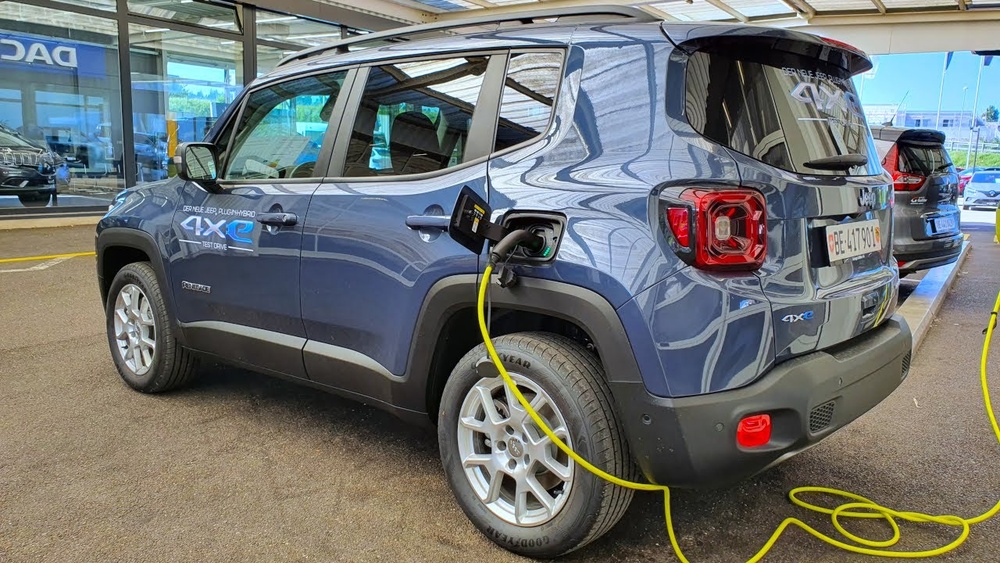
- The charging port is usually on the left rear side of the vehicle. Check your manual if you’re unsure.
- Plug In the Charger
- For home charging, use the cable supplied with your car. For public stations, use their cable.
- Confirm Charging
- The vehicle’s dashboard or a light near the port will show charging status. The battery icon usually blinks during charging.
- Wait for Full Charge
- Charging times depend on the method. Level 1 is slower, Level 2 is faster.
- Unplug When Done
- Unplug the charger. Some stations require you to end the session on a screen or app.
- Check the Battery
- Look at the dashboard to see the battery percentage. It’s best to unplug when fully charged.
.JPG "How To Charge Jeep Renegade Hybrid: Step-by-Step Guide")
Home Charging Vs Public Charging Stations
You can charge your Jeep Renegade Hybrid at home or at public charging stations. Both have benefits and limitations.
| Feature | Home Charging | Public Charging Station |
|---|---|---|
| Cost | Lower (average $0.12/kWh) | Varies ($0.20–$0.40/kWh) |
| Speed | Slower (Level 1), faster with Level 2 | Fast (Level 2) |
| Convenience | Charge overnight | Useful for quick top-ups |
| Availability | Always at home | Depends on location |
Installing A Level 2 Charger At Home
For faster charging, many owners install a Level 2 charger. These chargers need a 240V outlet, like what you use for a dryer. Installation costs range from $500–$1500, including equipment and electrician fees. With a Level 2 charger, you can fully charge in about 2–3 hours.
Charging Tips Most Drivers Miss
- Charge Overnight
- Electricity rates are often cheaper at night. This can save money on your bill.
- Avoid Charging to 100% Daily
- Keeping the battery between 20%–80% can extend its life. Only charge fully for long trips.
- Check Station Compatibility
- Not all public stations use the same connector. The Renegade Hybrid uses the Type 2 connector in the US. Always check before visiting.
- Monitor Battery Health
- Use the car’s app or dashboard to check battery health. Repeated fast charging can wear the battery faster.
- Weather Impact
- Cold weather can increase charging time and reduce battery range by up to 20%. Warm up your car while plugged in to save energy.

Comparing Charging Costs
Charging your Jeep Renegade Hybrid is cheaper than fueling with gas. Here’s a simple comparison:
| Energy Source | Cost per Mile | Annual Cost (12,000 miles) |
|---|---|---|
| Electricity (Home) | $0.04 | $480 |
| Gasoline | $0.10 | $1,200 |
This data shows that charging at home can save you over $700 each year compared to using gasoline.
What To Watch Out For
Some new owners make mistakes that can affect battery life or charging efficiency:
- Using extension cords for charging is unsafe and can damage the battery.
- Ignoring software updates for the car can lead to slower charging or missed features.
- Leaving the car plugged in after full charge may slightly reduce battery health over time.
If you’re using a public charger, always check the station’s status online before you arrive. Some stations may be busy or out of order.

Frequently Asked Questions
What Is The Best Way To Charge The Jeep Renegade Hybrid At Home?
The safest and fastest way is to install a Level 2 charger. It charges the battery in 2–3 hours and is more efficient than a standard outlet. Always use the charger recommended by Jeep.
Can I Use Any Public Charging Station?
Most stations with a Type 2 connector will work. Always check the station’s compatibility and payment system before visiting. Some stations require a membership or smartphone app.
How Much Does It Cost To Charge At Public Stations?
Prices vary. Most stations charge between $0.20–$0.40 per kWh. Charging the Renegade Hybrid battery at a public station usually costs $2–$4 per session, depending on local rates.
Will Charging In Cold Weather Take Longer?
Yes, cold weather can slow charging by 10–20%. Battery range may also drop in winter. Pre-conditioning your car (warming up while plugged in) helps maintain performance.
How Does Charging Affect Battery Lifespan?
Frequent fast charging and keeping the battery at 100% can shorten battery life. Try to keep the battery between 20%–80% for daily use and avoid fast charging unless needed for a trip.
Charging your Jeep Renegade Hybrid is easy once you know the basics. Using the right equipment, following simple routines, and watching out for common mistakes will help you get the best performance and savings from your plug-in hybrid. For more details on hybrid technology, visit the official Jeep Renegade Hybrid page.