Shifting your Jeep JL into 4WD can transform your driving experience. Whether you want more grip for snowy roads or extra power for rocky trails, knowing how to use four-wheel drive is essential. Many Jeep owners feel unsure about the right steps, when to shift, and how to avoid damage. This guide will show you the safest, easiest way to shift your Jeep JL into 4WD. You’ll learn not just the basics, but also tips that most beginners miss.
Understanding Jeep Jl 4wd Modes
The Jeep JL comes with several 4WD modes. These let you handle different terrains and weather conditions. Each mode has its own purpose, and knowing when to use each is key.
| 4WD Mode | Best Use | Speed Range |
|---|---|---|
| 2H (Two-Wheel High) | Normal roads | Up to 75 mph |
| 4H (Four-Wheel High) | Snow, mud, light off-road | Up to 55 mph |
| 4L (Four-Wheel Low) | Heavy off-road, steep climbs | Up to 25 mph |
2H is for daily driving. 4H gives extra traction on slippery surfaces. 4L is for tough obstacles, like deep sand or rocks. Always match the mode to your driving situation.
How To Shift Jeep Jl Into 4wd
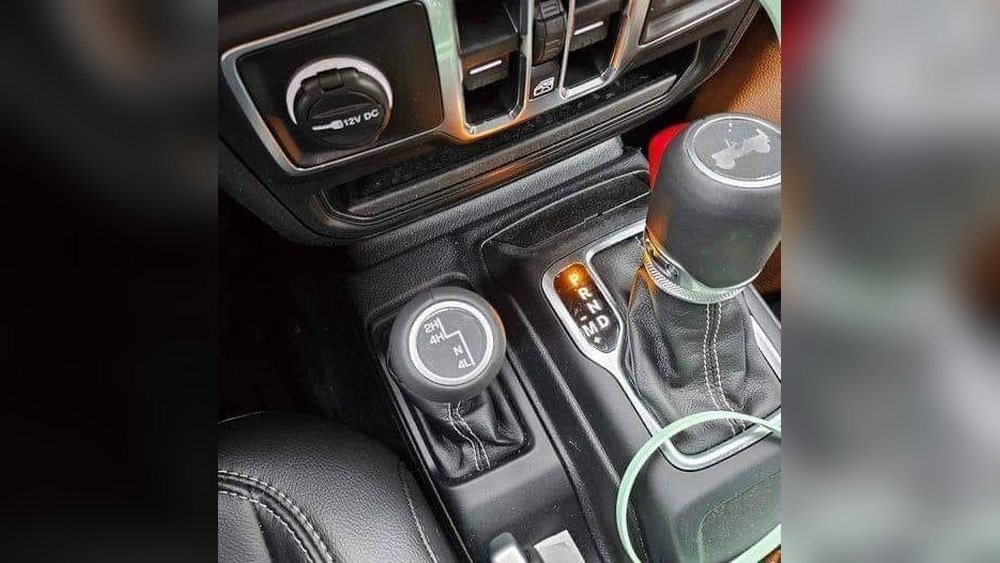
Shifting into 4WD is simple, but doing it wrong can cause damage. Here’s how to do it safely.
1. Shifting From 2h To 4h
- Make sure your Jeep JL is moving straight and not turning sharply.
- Reduce speed to below 55 mph.
- Take your foot off the gas pedal.
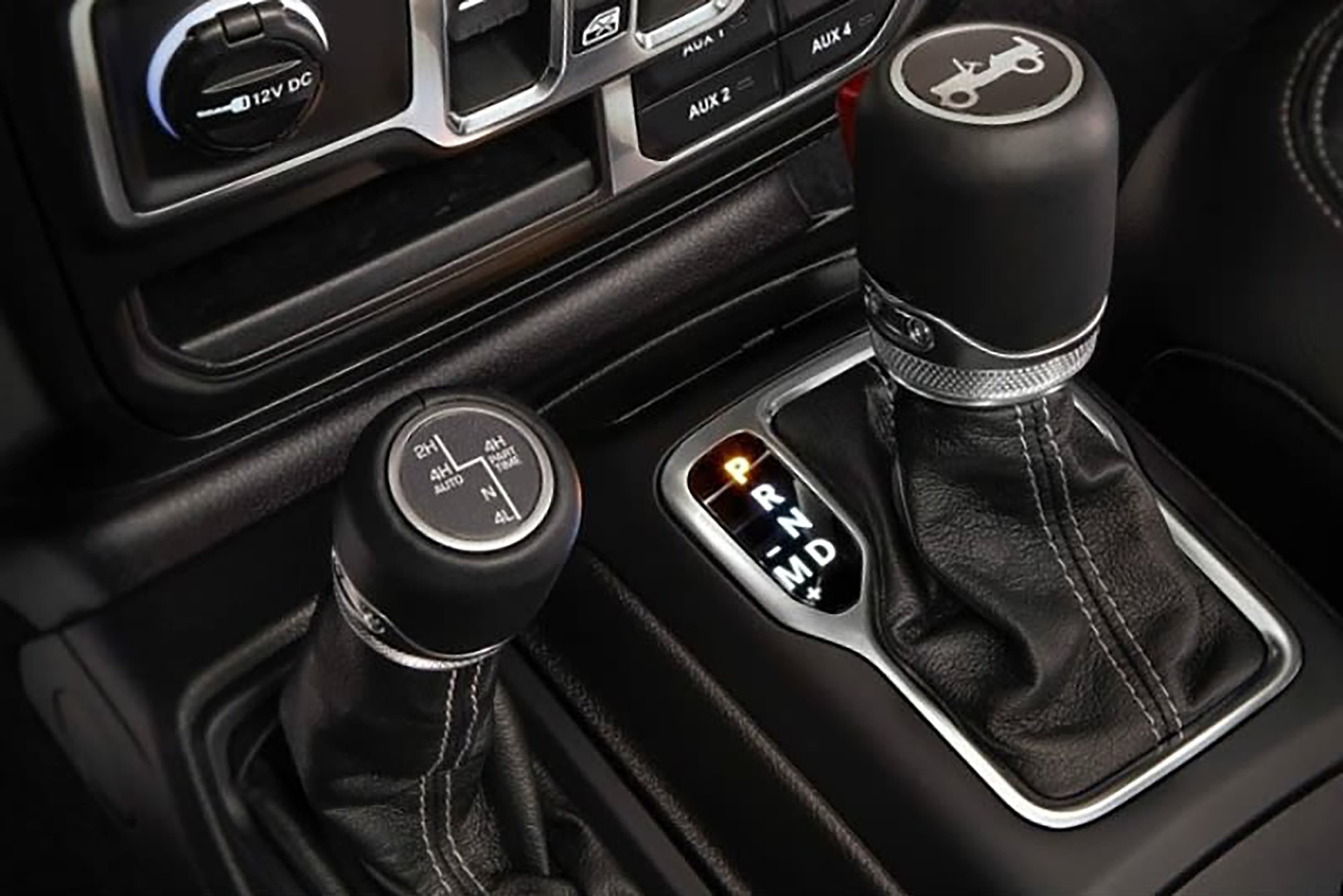
- Pull the 4WD lever from 2H to 4H in one smooth motion.
- You will see a 4H indicator light up on the dashboard.
You do not need to stop the vehicle. This is called “shift-on-the-fly. ” It works best when driving under 55 mph.
2. Shifting From 4h To 4l
- Slow down to below 5 mph.
- Shift the transmission to Neutral (N).
- Firmly pull the 4WD lever from 4H to 4L.
- Wait for the 4L indicator to appear on the dashboard.
- Shift the transmission back to Drive (D) or Reverse (R).
This step is for rough terrain only. Never try to shift into 4L while moving fast. Doing so risks damaging your Jeep’s transfer case.
3. Returning To 2h
- Slow down and drive straight.
- Take your foot off the gas.
- Move the 4WD lever from 4H to 2H.
- The 2H indicator will show on your dashboard.
If you are in 4L, you must stop, shift to Neutral, and then move the lever to 2H.
Common Mistakes To Avoid
Many new Jeep JL owners make errors when shifting. Here are mistakes you should watch out for:
- Shifting at high speed: Always slow down before shifting.
- Turning while shifting: Only shift when your wheels are straight.
- Forgetting to shift to Neutral: Needed for 4L changes.
- Using 4WD on dry pavement: This can damage the drivetrain.
If you hear grinding noises or feel jerks, stop and check your shifting technique.
Practical Tips For Smooth 4wd Operation
Experienced drivers use these tricks to keep their Jeep JL in good shape:
- Always check your owner’s manual for your specific model year.
- Practice shifting in an empty parking lot before heading off-road.
- If the 4WD indicator doesn’t light up, try shifting again while gently rolling forward.
- Avoid sudden acceleration after shifting modes.
Here’s a quick comparison of shifting difficulty for beginners:
| Mode | Ease of Shifting | Risk of Damage |
|---|---|---|
| 2H to 4H | Easy | Low |
| 4H to 4L | Moderate | Medium |
| 4L to 2H | Moderate | Medium |

How To Know If 4wd Is Engaged
Your Jeep JL has dashboard lights for each mode. These indicators help you confirm the shift was successful.
- 4H light: Shows when Four-Wheel High is active.
- 4L light: Lights up when Four-Wheel Low is engaged.
- 2H light: Appears when back in Two-Wheel mode.
If the indicator lights flash or don’t stay on, the shift was not completed. Try shifting again slowly, or refer to your manual.
When Should You Use 4wd?
Choosing the right time for 4WD is important for safety and vehicle health. Use 4H for:
- Wet or icy roads
- Loose gravel
- Light off-road paths
Use 4L for:
- Deep mud or sand
- Rocky trails
- Steep inclines
Never use 4WD on dry, smooth pavement. It causes extra wear and can lead to expensive repairs.
Troubleshooting 4wd Problems
Sometimes, your Jeep JL may not shift properly. Here’s how to solve common issues:
- Indicator lights flashing: Try shifting at a lower speed.
- Grinding sound: Stop and check your shifting steps.
- Stuck in 4WD: Move the vehicle slowly forward and backward while trying to shift.
- No dashboard light: Consult your owner’s manual or a Jeep technician.
If your Jeep JL still refuses to shift, visit your dealer or check trusted sources like Jeep Official Site.
Frequently Asked Questions
How Fast Can I Drive In 4h Mode?
You can drive up to 55 mph in 4H mode. Driving faster can strain the transfer case.
Is It Okay To Shift Into 4wd While Turning?
No. Only shift when your Jeep JL wheels are straight. Turning while shifting may damage the drivetrain.
Can I Use 4wd On Dry Roads?
Avoid using 4WD on dry pavement. It creates stress on the system and increases tire wear.
How Do I Know If 4wd Is Really Working?
Check for the 4H or 4L indicator lights on your dashboard. If they stay solid, your Jeep JL is in 4WD mode.
What Should I Do If My Jeep Jl Won’t Shift Out Of 4wd?
Try moving forward and backward slowly while shifting. If it stays stuck, contact your dealer for help.
Switching your Jeep JL into 4WD is easy once you know the right steps. Always match the mode to the terrain, and remember to shift carefully. With practice, you’ll feel confident and safe, ready for any adventure.