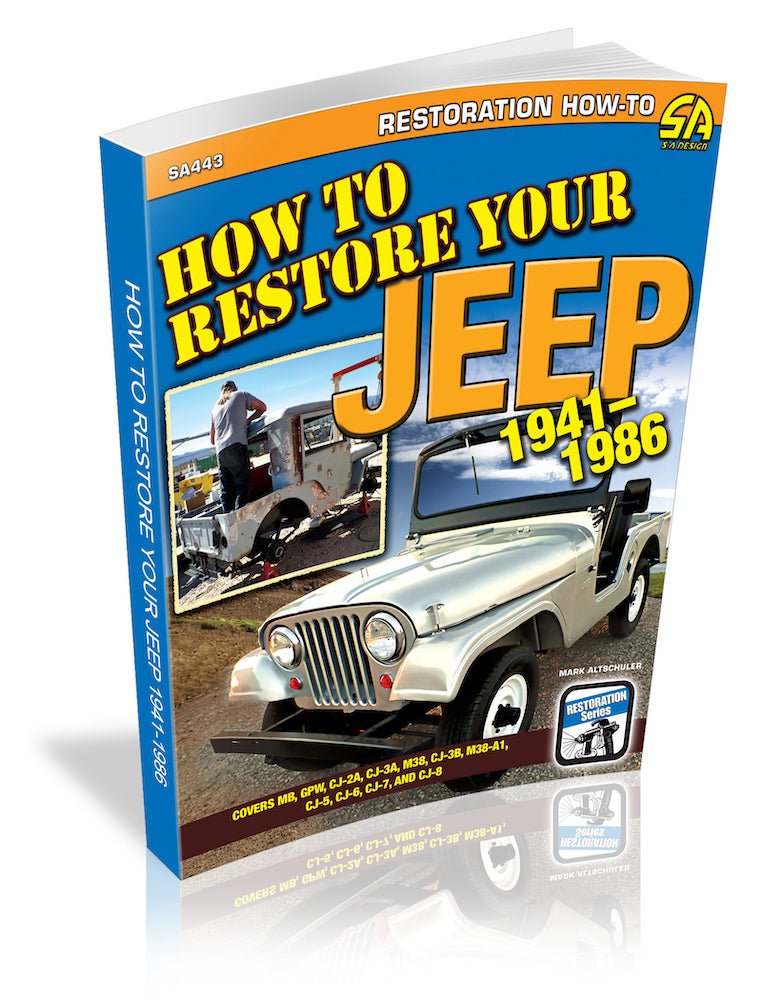
Restoring a Jeep is an exciting journey for many car lovers. Whether you have a classic Willys, a rugged CJ, or a more modern Wrangler, giving new life to an old Jeep can be deeply rewarding. The process, however, can be challenging if you do not plan carefully. In this article, you’ll learn step-by-step how to restore a Jeep, from choosing the right model to finishing touches. If you want your Jeep to look great and perform well, this guide will help you avoid common mistakes and make smart decisions along the way.
Choosing The Right Jeep To Restore
Before you start, pick the right Jeep model for your project. Some Jeeps are easier and cheaper to restore. For beginners, the Jeep CJ or early Wrangler (YJ/TJ) models are good choices because parts are widely available.
Consider these factors:
- Budget: Older Jeeps may need more work, which can cost more.
- Parts availability: Some rare models have hard-to-find parts.
- Intended use: Will it be a daily driver, show car, or off-roader?
Here’s a simple comparison of popular Jeep models for restoration:
| Model | Parts Availability | Difficulty Level | Estimated Cost Range |
|---|---|---|---|
| CJ Series | Excellent | Medium | $8,000-$18,000 |
| Wrangler YJ | Excellent | Easy | $6,000-$15,000 |
| Willys MB | Limited | Hard | $12,000-$25,000 |
Planning Your Jeep Restoration
Restoring a Jeep involves several steps. Planning helps you stay on track and avoid extra costs. Create a checklist and timeline. Break your project into stages:
- Assessment: Check the Jeep’s condition. Look for rust, frame damage, and missing parts.
- Budgeting: List the tools, parts, and services you need. Expect surprises—add 15% to your budget for unexpected expenses.
- Workspace: Make sure you have a safe, covered area to work.
One common mistake is underestimating the time and cost. Restorations often take 6–12 months and can cost more than planned, especially if you skip the planning stage.
Disassembly And Inspection
Start by taking apart your Jeep. Label and photograph every part. This makes reassembly much easier.
Key steps:
- Remove the battery first for safety.
- Take out major parts: Hood, doors, seats, dash, and drivetrain.
- Keep small parts in labeled bags.
Pay special attention to rust spots and frame cracks. Many old Jeeps have hidden rust, especially under carpets and in the wheel wells.
Repairing The Frame And Body
Fixing the frame and body is one of the most important parts of a Jeep restoration. If the frame has severe rust or cracks, consider replacing it. For minor rust, sandblast the area and use rust converter.
Common repairs include:
- Welding new metal patches
- Replacing floor pans
- Repairing fenders and quarter panels
Here’s a quick look at repair options:
| Problem | Repair Option | Approximate Cost |
|---|---|---|
| Small rust spots | Sand and paint | $100-$300 |
| Large rust holes | Metal patch panels | $500-$1,500 |
| Frame crack | Welding/Replacement | $800-$2,500 |
A tip most beginners miss: Check the frame for straightness after repairs. Even small bends can affect steering and tire wear.

Restoring The Engine And Drivetrain
The heart of your Jeep is the engine and drivetrain. Decide if you want to rebuild, repair, or replace the engine. Many older Jeeps run well after a simple tune-up, but some need a full rebuild.
Steps include:
- Change all fluids and filters.
- Replace worn belts, hoses, and gaskets.
- Inspect the transmission and axles.
Don’t forget to check the transfer case—it’s key for off-road performance. If you are not experienced, consider hiring a professional for engine rebuilding.
Suspension, Brakes, And Steering
For safety and comfort, restore the suspension, brakes, and steering. Old leaf springs and shocks often need replacing. Upgrading to modern disc brakes is a good idea if your Jeep has old drum brakes.
Basic checklist:
- Replace shocks and bushings.
- Inspect and replace brake lines and pads.
- Check steering linkage for play.
Many owners skip the steering box, but worn steering parts can make driving dangerous. Always test drive after repairs.
Electrical And Interior Work
Electrical problems are common in old Jeeps. Replace any damaged wires and check all lights. Upgrading to a modern wiring harness can prevent future issues.
Interior restoration includes:
- Fixing or replacing seats and carpets
- Restoring the dashboard and gauges
- Installing new weather seals
For a classic look, use original-style materials. For daily use, modern upgrades like sound deadening mats make driving more enjoyable.
Painting And Final Assembly
Painting is the last big step. Prep the body carefully by sanding and priming. Use automotive paint for best results.
Steps for a great paint job:
- Clean and sand all surfaces.
- Apply primer and let dry fully.
- Spray 2–3 coats of color, allowing time to dry between coats.
- Finish with a clear coat for protection.
Reassemble your Jeep, using your photos as a guide. Double-check all bolts and connections. Take your time to avoid scratches or mistakes.
Key Tips For Jeep Restoration
- Document everything: Photos help when it’s time to put parts back.
- Label all hardware: Use zip bags with labels.
- Invest in quality tools: Good tools make work faster and safer.
- Join a Jeep forum: Online communities like JeepForum offer advice and support.
Frequently Asked Questions
How Much Does It Cost To Restore A Jeep?
Costs can range from $6,000 to $25,000 depending on the Jeep model, parts needed, and whether you do the work yourself or hire professionals.
How Long Does A Jeep Restoration Take?
Most projects take 6 to 12 months if you work part-time. Full-time efforts can be faster, but unexpected problems often add time.
Can I Restore A Jeep With No Experience?
Yes, but start with a simpler model and be ready to learn as you go. Watching videos and reading guides helps a lot.
What Tools Do I Need To Restore A Jeep?
Basic tools include wrenches, sockets, screwdrivers, a jack, and safety gear. For bodywork, you may need welders and sanders.
Is It Better To Restore Or Buy A Ready Jeep?
Restoring gives you control and satisfaction, but buying a finished Jeep is faster and often cheaper. It depends on your skills, budget, and patience.
Restoring a Jeep is more than just fixing a vehicle—it’s about building something unique and learning along the way. With careful planning, attention to detail, and a bit of patience, you can turn any old Jeep into a head-turning classic ready for adventure.