Removing Jeep interior trim can feel intimidating if you’ve never done it before. But it’s a task many owners want to tackle—maybe you want to upgrade speakers, fix a rattle, run new wiring, or just clean hidden areas. With the right steps, some patience, and a few inexpensive tools, you can do it without causing damage or stress.
Let’s walk through what you need to know so you can remove Jeep interior trim safely and confidently.
What To Know Before You Start
Every Jeep model is a bit different, but the basics of interior trim removal are very similar. The biggest risk is breaking plastic clips or scratching panels. Many owners rush, only to regret it when a panel cracks or a clip vanishes under a seat.
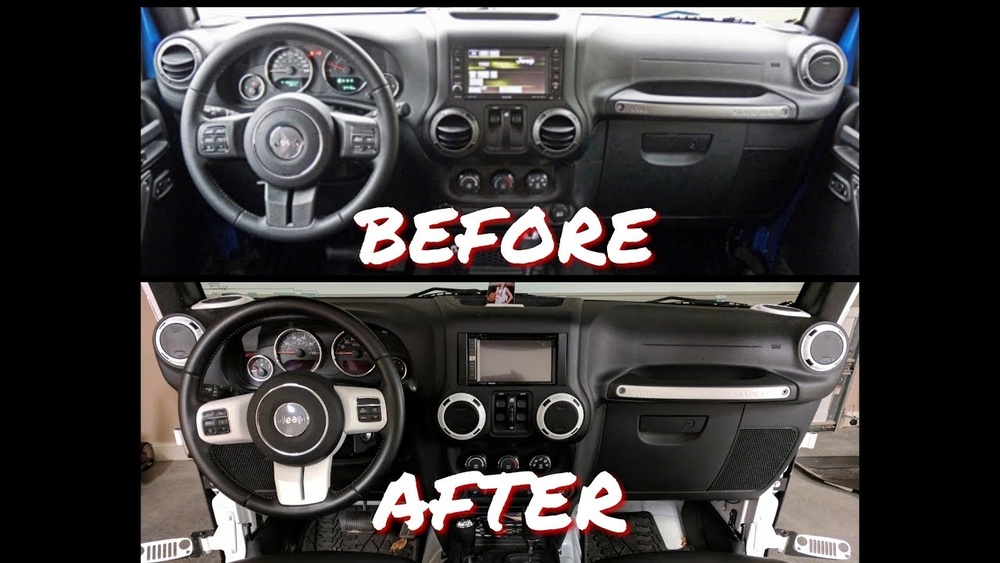
Before getting started, keep these essentials in mind:
- Check your Jeep’s manual. It usually has diagrams of panel locations and sometimes fastener types.
- Work slowly. Forcing panels can break them or damage clips.
- Organize hardware. Use small containers or trays to keep screws and clips safe.
- Wear gloves. This protects your hands from sharp edges.
Tools You’ll Need
Having the right tools makes the process easier and reduces the risk of damage. Most are affordable and found at auto parts stores.
| Tool | Purpose | Average Price |
|---|---|---|
| Trim removal tool set | Safely pries panels and clips | $10–$20 |
| Phillips screwdriver | Removes screws (common size) | $5–$10 |
| Flathead screwdriver | Helps with stubborn clips | $5–$10 |
| Torx drivers | Removes specialized screws | $10–$15 |
Pro Tip: Plastic trim tools are much safer than metal screwdrivers for prying panels. They won’t scratch or gouge the plastic.

Step-by-step: Removing Jeep Interior Trim
Let’s break the process into clear, easy-to-follow steps. These work for most Jeep models, but always check for model-specific details.
1. Disconnect The Battery
Always disconnect the negative battery terminal before removing trim, especially if working near airbags or electronics. This prevents accidental deployment or shorts.
2. Remove Screws And Fasteners
Start by looking for all visible screws. Jeep hides them well—check under armrests, behind covers, inside pockets, or under rubber mats. Remove with the correct driver. Some panels use Torx screws, so have a set handy.
3. Pry Panels With Trim Tools
Insert a plastic trim tool between the panel and the body. Gently twist or lever to release the first clip. Move along the edge, releasing clips one at a time. Avoid pulling sharply—clips are designed to pop out with gentle pressure.
4. Unclip Electrical Connectors
If the panel has switches, lights, or speakers, unplug the electrical connectors. Press the locking tab and pull straight out. Never yank wires.
5. Lift Out The Panel
Once all clips and connectors are free, carefully pull the trim piece away. Store it somewhere safe to avoid scratches or bending.
6. Reinstalling Panels
When reinstalling, make sure all clips are aligned before pressing the panel back. Listen for “clicks” as clips lock into place. Replace all screws and fasteners.
Common Jeep Trim Panel Locations
Knowing where trim panels are located helps you plan your work. Here’s a summary for popular Jeep models:
| Model | Typical Panel Locations | Clip/Screw Count (approx.) |
|---|---|---|
| Wrangler JK/JL | Dash, door panels, center console, A/B pillars, rear cargo panels | 20–35 |
| Grand Cherokee | Dash, doors, lower kick panels, rear quarter trims | 25–40 |
| Cherokee | Dash, center console, door trims, side panels | 22–38 |
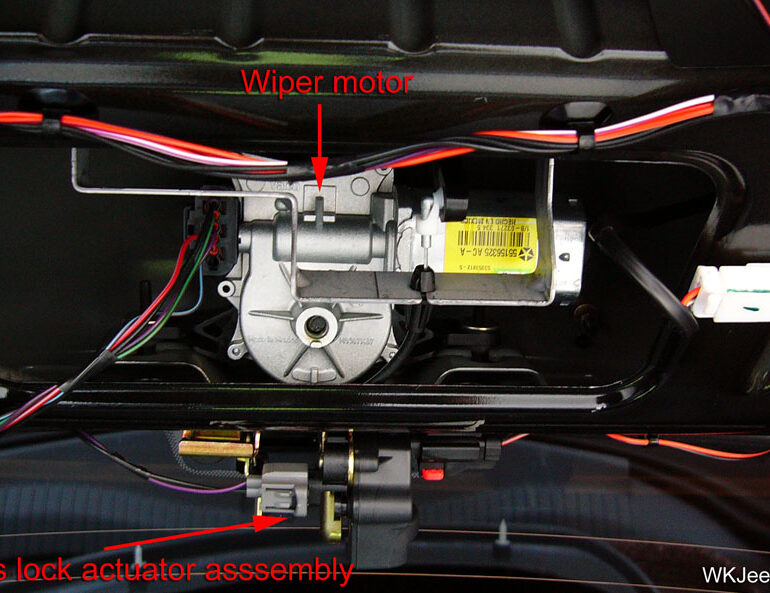
Tips For A Damage-free Job
Many beginners worry about breaking clips or scratching panels. Here are some insights to help you avoid common mistakes:
- Warm up the cabin: In cold weather, plastic gets brittle and breaks easily. Warm up your Jeep for 10–15 minutes before starting.
- Bag your hardware: Small screws and clips are easy to lose. Label bags as you remove parts.
- Mind hidden airbags: Some trim panels hide side airbags. Check your manual and never force a panel if you feel resistance near an airbag area.
- Don’t re-use broken clips: If a clip snaps, replace it. Reusing damaged clips can cause rattles and poor fit.
- Photograph each stage: Take quick photos as you go. This helps you remember where everything goes during reassembly.
Advanced Insight: Some Jeep models use different types of clips in one panel. For example, a Wrangler door panel might use both pop clips and sliding clips—if you only pry, you could break the sliding ones. Always check the clip style as you remove panels.
When To Seek Professional Help
Sometimes, a trim panel is especially stubborn or you’re working near side curtain airbags. If you feel unsure, don’t force it. Jeep dealers or trim specialists have the right tools and experience for tricky jobs. A $50–$100 service fee could save you from hundreds in damage.
Extra Resources
For detailed diagrams or step-by-step videos, the Jeep forums or resources like WKJeeps.com offer model-specific guides. These can make complex jobs much easier.
Frequently Asked Questions
How Long Does It Take To Remove Jeep Interior Trim?
For beginners, removing a single panel usually takes 20–40 minutes. An experienced person can remove all door panels in about 1–2 hours. Time varies by model and panel type.
Can I Reuse Trim Clips After Removal?
Most plastic clips can be reused if they’re not damaged. However, some clips lose grip or break when removed. It’s smart to buy a few spare clips before you start.
What If A Trim Panel Won’t Come Off?
Double-check for hidden screws or fasteners. Gently probe with a trim tool. If it still won’t move, consult your Jeep’s service manual or ask for help online to avoid breaking anything.
Do I Need To Remove Seats To Get Certain Panels Off?
Some lower trim panels or full carpet sections require seat removal, especially in the cargo area. For most door and dash trims, you don’t need to remove seats.
Is It Safe To Use Metal Tools For Trim Removal?
Metal tools can scratch or gouge plastic panels. Always use plastic trim tools unless you’re removing metal fasteners where a screwdriver is required.
Removing Jeep interior trim is a useful skill for upgrades, repairs, or deep cleaning. With patience and the right approach, you’ll avoid damage and feel confident tackling other DIY projects in your vehicle.