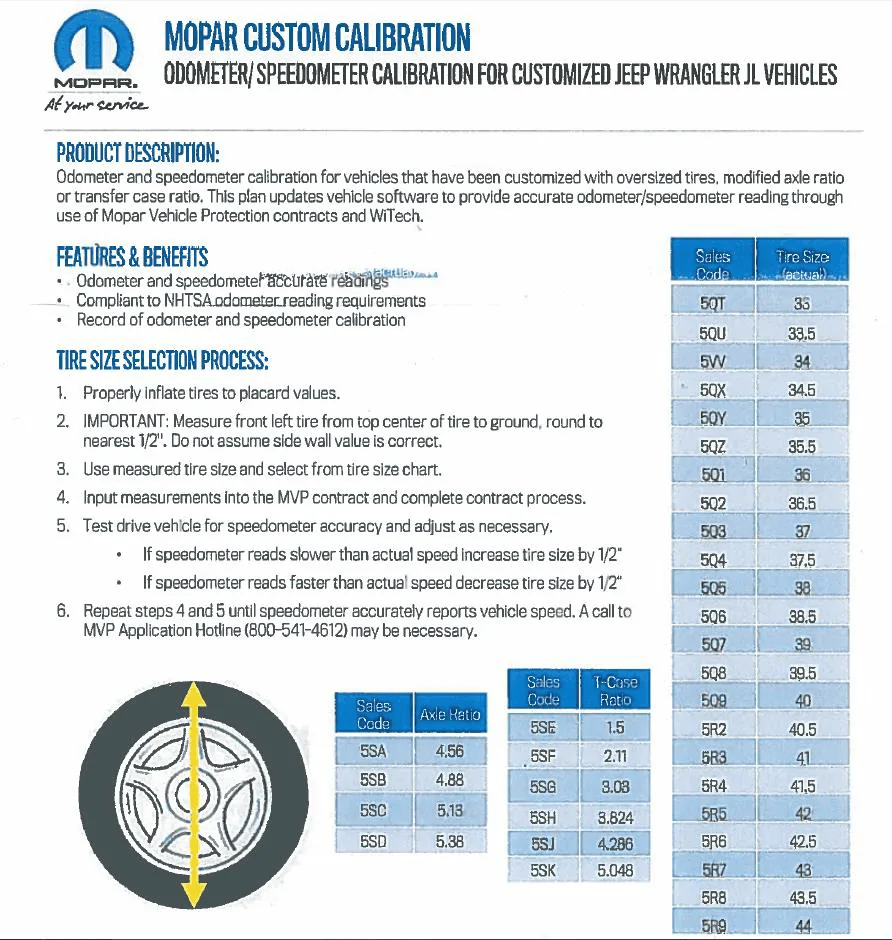
If you’ve upgraded your Jeep with bigger tires, you probably noticed something strange: your speedometer is no longer accurate. It might show you’re driving 55 mph when you’re actually going much faster. This isn’t just annoying—it can cause speeding tickets, mess up your odometer, and even affect your transmission shifting. If you want to keep your Jeep running safely and legally, calibrating your speedometer is a must. This guide will show you how to do it, which tools to use, and what mistakes to avoid.
Why Bigger Tires Affect Your Speedometer
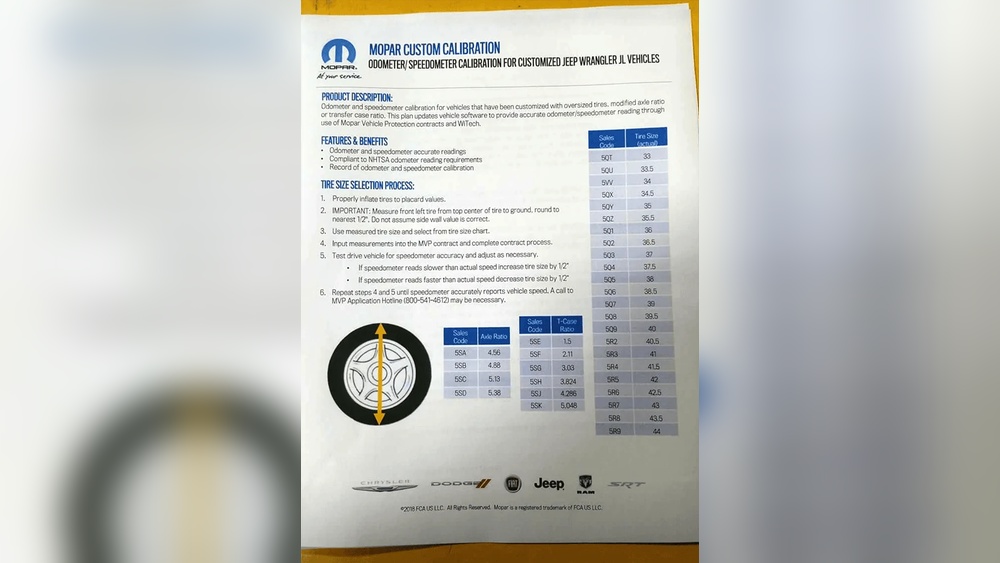
Changing tire size changes how far your Jeep travels with each wheel rotation. Stock tires are designed to match the speedometer, so when you install larger tires, each rotation covers more ground. This means your speedometer reads lower than your actual speed.
For example, if your original tires are 30 inches and you upgrade to 33 inches:
- Your speedometer may read 60 mph
- Actual speed could be about 66 mph
This difference matters more than you think. It affects your speed, mileage, and even how your Jeep shifts gears.
Preparing To Calibrate Your Speedometer
Before you start, gather some basic information:
- Current tire size (diameter in inches)
- Original tire size
- Gear ratio (if changed)
- Speedometer type (mechanical or electronic)
You’ll need these details for accurate calibration.
Common Calibration Tools
Depending on your Jeep model and year, you’ll use different methods:
- Speedometer gear replacement (older Jeeps)
- Electronic programmer (modern Jeeps)
- Speedometer app (for checking accuracy)
Here’s a comparison of popular options:
| Method | Compatibility | Cost | Accuracy |
|---|---|---|---|
| Speedometer Gear | 1987-2006 Jeep | $20-$40 | High |
| Electronic Programmer | 2007+ Jeep | $150-$400 | Very High |
| Speedometer App | Any Jeep | Free-$10 | Medium |
Step-by-step Calibration Methods
1. Mechanical Speedometer Gear Replacement
Older Jeep models use a physical gear in the transmission to control speedometer readings.
Steps:
- Find your original and new tire diameters.
- Use a gear calculator online or chart to select the right speedometer gear tooth count.
- Remove the speedometer cable from the transmission.
- Swap the old gear for the new one.
- Test your speed with a GPS or speedometer app.
Example: For a 2002 Jeep Wrangler going from 29″ to 33″ tires, you may need a gear with fewer teeth.
2. Electronic Speedometer Programmer
Newer Jeeps (2007 and up) use electronic sensors. You’ll need a programmer like Superchips Flashcal or Hypertech.
Steps:
- Plug the programmer into the OBD-II port under your dashboard.
- Enter your new tire size and gear ratio.
- Update the Jeep’s computer.
- Test your speed with a GPS.
Insight: Many beginners forget to adjust for gear ratio changes if they swapped axles. This can still cause errors.
3. Using A Speedometer App
You can check your speed using a smartphone app and compare it to your Jeep’s speedometer.
Steps:
- Download a speedometer app (like Speedometer Simple).
- Drive at a steady speed and note both readings.
- Adjust your driving or recalibrate using gear or programmer as needed.
Apps are good for testing, but not for permanent calibration.
How To Calculate Correct Speedometer Reading
To get the actual speed, use this formula:
Actual Speed = (New Tire Diameter / Old Tire Diameter) x Speedometer Reading
For example:
- Old tire: 30 inches
- New tire: 33 inches
- Speedometer says: 50 mph
Actual Speed = (33/30) X 50 = 55 Mph
This helps you choose the right gear or program setting.
| Original Tire | New Tire | Speedometer Reads | Actual Speed |
|---|---|---|---|
| 30″ | 33″ | 50 mph | 55 mph |
| 29″ | 35″ | 60 mph | 72 mph |

Mistakes To Avoid
- Ignoring gear ratio changes. If you changed your Jeep’s axle gears, include this in your calculations.
- Using the wrong tire diameter. Measure the tire diameter with a tape measure; don’t rely only on tire specs.
- Not testing after calibration. Always use a GPS or app to verify your speedometer.
Non-obvious tip: Tire pressure can affect diameter and speed readings, so check your tire pressure before calibrating.
Practical Example: Jeep Wrangler Jk
Let’s say you installed 35-inch tires on your Jeep Wrangler JK (original tires were 32 inches). You use a Superchips Flashcal programmer:
- Plug in programmer
- Enter 35″ for tire size
- Update computer
- Drive at 60 mph (speedometer)
- GPS shows 60 mph
You’re now calibrated. If GPS shows a difference, adjust tire size setting until it matches.
| Programmer Setting | Speedometer | GPS | Adjustment Needed? |
|---|---|---|---|
| 35″ | 60 mph | 60 mph | No |
| 34″ | 60 mph | 63 mph | Yes |

Extra Tips For Accurate Calibration
- Use a highway mile marker and stopwatch to check real speed
- Double-check after off-road trips, as mud or wear can change tire diameter
- If you tow heavy loads, recalibration may help transmission shifting
If you want more technical details, check out Jeep’s official guide.
Frequently Asked Questions
How Do I Know If My Speedometer Is Off?
Compare your speedometer reading with a GPS speed or speedometer app. If they don’t match, your speedometer needs calibration.
Can I Calibrate My Speedometer Myself?
Yes, most Jeep owners can do this with a gear swap or electronic programmer. Electronic models are easier for beginners.
What Happens If I Ignore Calibration?
You risk speeding tickets, wrong mileage, and poor transmission performance. It can even void your warranty.
Do All Jeeps Need Calibration After Tire Changes?
Not always, but if you change tire diameter by more than 1-2 inches, calibration is recommended.
Is Calibration Expensive?
Mechanical gear swaps cost $20-$40. Electronic programmers cost $150-$400. Apps are free or cheap, but not permanent.
Upgrading your Jeep’s tires is exciting, but calibrating your speedometer is just as important. With the right tools and steps, you can keep your Jeep safe and accurate on any road.