Turning on the headlights in your Jeep Grand Cherokee is a simple task, but many drivers don’t know all the settings and features. Whether you’re new to the vehicle or you want to make sure you’re using your lights correctly, understanding the controls can improve safety and comfort. This guide explains how to turn on your headlights, the different modes, and common mistakes to avoid. You’ll also find data tables and answers to frequent questions, so you can drive confidently at night or in poor weather.
Understanding Headlight Controls In Jeep Grand Cherokee
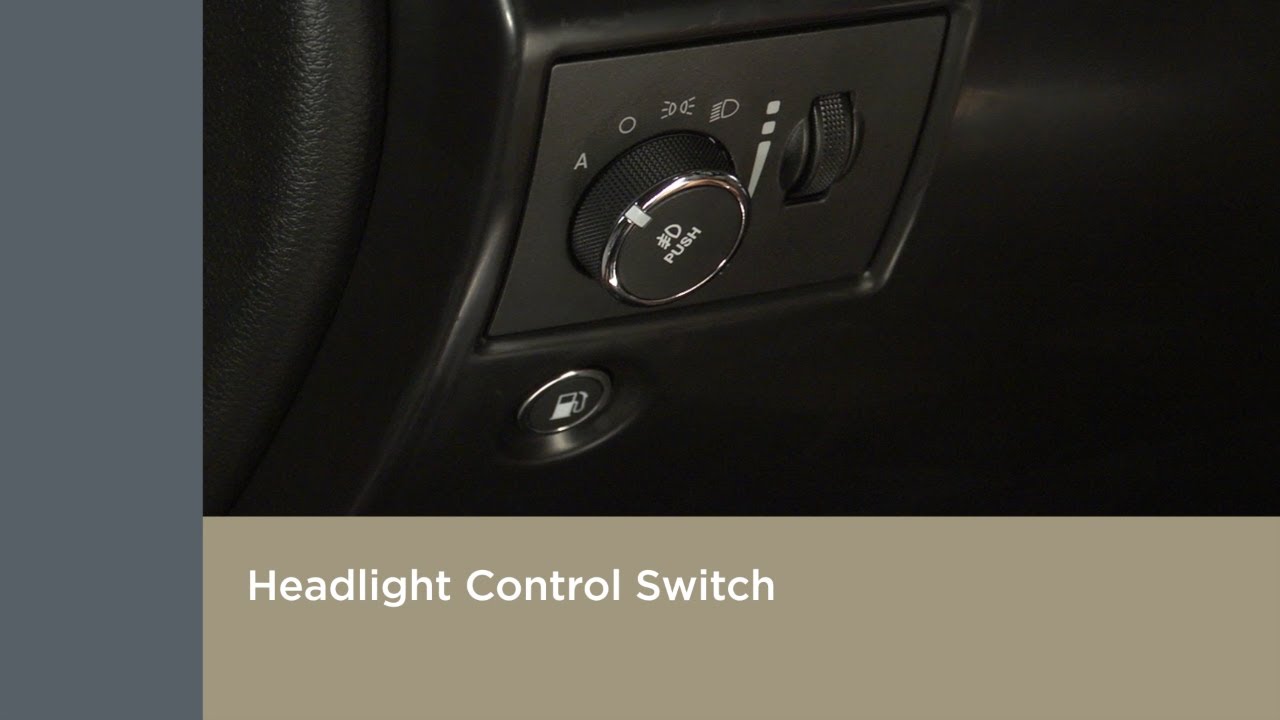
The headlight system in a Jeep Grand Cherokee uses a rotary switch, usually located on the left side of the dashboard. This switch allows you to choose between different lighting modes. Most models from 2011 onward use a similar setup, but some details can vary by year and trim.
Here’s how the main controls typically work:
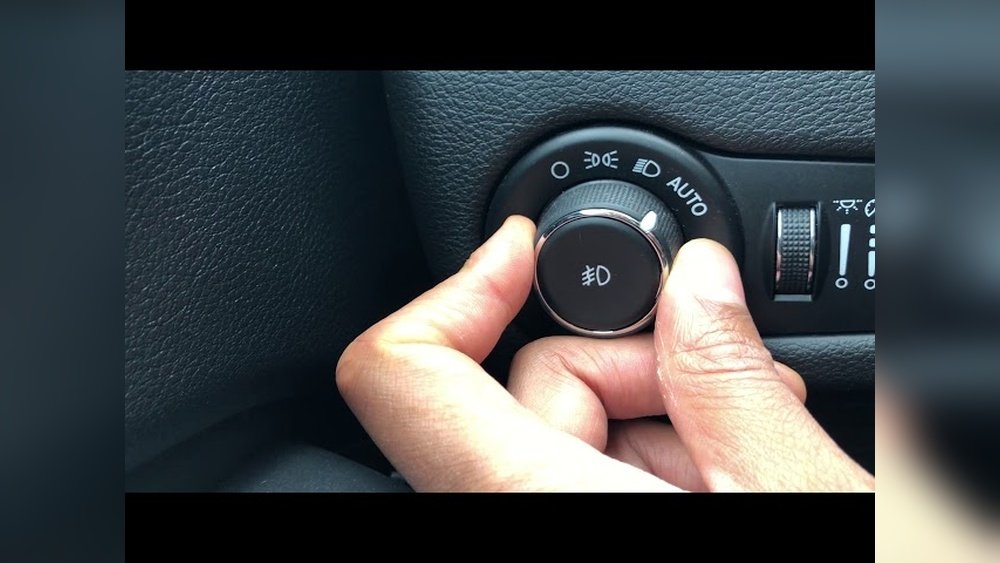
- Off position: No headlights, only daytime running lights (if equipped).
- Parking lights: Low-intensity lights, good for dusk or when parked.
- Headlights on: Full beams for night driving.
- Auto mode: Lights turn on automatically based on outside light.
If your model has fog lights or high beams, you’ll find extra controls on or near the same switch.
Step-by-step: Turning On Headlights
Follow these steps to turn on the headlights in your Jeep Grand Cherokee:
- Locate the rotary switch on the dashboard, left of the steering wheel.
- Turn the switch clockwise from the off position to the icon showing two beams. This activates the main headlights.
- For auto mode, turn the switch to the “AUTO” setting. The lights will come on automatically when it’s dark.
- To activate high beams, push the turn signal stalk away from you. You’ll see a blue indicator on the dashboard.
- If your Jeep has fog lights, pull out the rotary switch or press the fog light button. Check your owner’s manual for your exact model.
Many drivers forget to use auto mode, which can save time and ensure you’re always visible. Also, don’t confuse the parking lights with the main headlights. Parking lights are dimmer and not safe for driving at night.

Comparing Headlight Modes
Different modes suit different situations. Here’s a quick comparison:
| Mode | When To Use | Brightness |
|---|---|---|
| Off | Daytime, well-lit areas | None or daytime running lights |
| Parking Lights | Dusk, parking | Low |
| Headlights On | Night, poor weather | Medium |
| High Beams | Rural, dark roads | High |
| Auto | Any time; automatic adjustment | Automatic |
Key Features And Headlight Technology
Jeep Grand Cherokee models often include advanced lighting features. Some trims have LED headlights, adaptive lighting, and automatic high beams. These features help you see better and make driving safer.
Here’s how some features compare:
| Feature | Standard | Available | Benefits |
|---|---|---|---|
| LED Headlights | Some trims | Higher trims | Brighter, longer lifespan |
| Automatic High Beams | No | Optional/standard on newer models | Switches between high and low beams automatically |
| Adaptive Lighting | No | Some models | Lights move with steering for better visibility |
Common Mistakes And Tips
Many drivers make errors when using their headlights. Here are some mistakes to avoid:
- Not turning on headlights at dusk or in rain. Auto mode helps, but check if it’s working.
- Using high beams in traffic. This can blind other drivers.
- Forgetting to turn off the lights when parked. This drains the battery.
- Not cleaning headlight covers. Dirt reduces brightness.
Tip: If your headlights seem dim, check the bulbs and clean the covers. Upgrading to LED bulbs can improve visibility.
Troubleshooting Headlight Issues
If your headlights don’t turn on, try these steps:
- Check if the rotary switch is in the correct position.
- Inspect the bulbs. If one or both are out, replace them.
- Look at the fuse box. A blown fuse can stop headlights from working.
- If you use auto mode, make sure the light sensor (on top of the dashboard) isn’t blocked.
- For electrical problems, visit a mechanic or dealership.
Most headlight issues are easy to fix. If you’re unsure, consult your owner’s manual or contact a Jeep service center.

Data On Headlight Performance
The Jeep Grand Cherokee has strong headlight ratings in most safety tests. According to the IIHS (Insurance Institute for Highway Safety), recent models score above average for night visibility.
Typical specs:
| Model Year | Headlight Type | Visibility Range | IIHS Rating |
|---|---|---|---|
| 2021 | LED | Up to 350 feet | Good |
| 2018 | Halogen | Up to 200 feet | Acceptable |
| 2015 | Halogen | Up to 180 feet | Marginal |
For more details, you can check the IIHS safety reports.
Frequently Asked Questions
How Do I Turn On The Headlights In A Jeep Grand Cherokee?
Turn the rotary switch clockwise on the dashboard, left of the steering wheel, to the headlight icon. For auto mode, select “AUTO” on the same switch.
Can I Use Auto Headlights All The Time?
Yes. Auto mode adjusts lights based on outside conditions. Make sure the sensor isn’t blocked by papers or dust.
How Do I Turn On High Beams?
Push the turn signal stalk away from you. A blue indicator appears on the dashboard. Always dim high beams for oncoming cars.
What Should I Do If The Headlights Won’t Turn On?
Check the switch position, bulbs, and fuses. If everything looks fine, the problem may be electrical, so contact a mechanic.
Are Led Headlights Better Than Halogen?
LED headlights are brighter and last longer. They improve night visibility and are available in newer Grand Cherokee models.
Turning on the headlights in your Jeep Grand Cherokee is easy once you know the controls and modes. Using auto mode, cleaning your lights, and checking for issues can keep you safe on the road. If you ever have trouble, consult your manual or a trusted mechanic.
Good lighting is essential for safe driving—don’t overlook it.