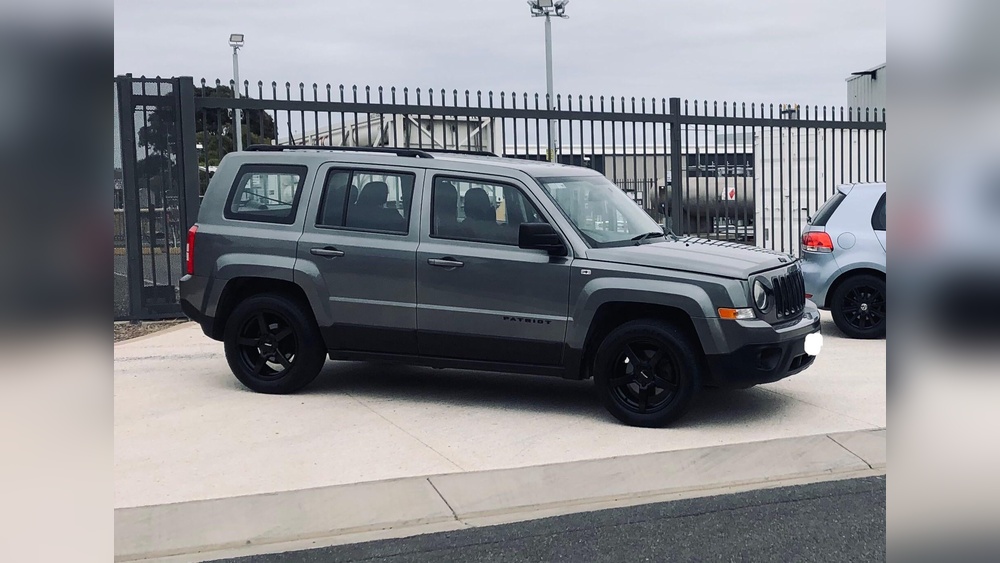
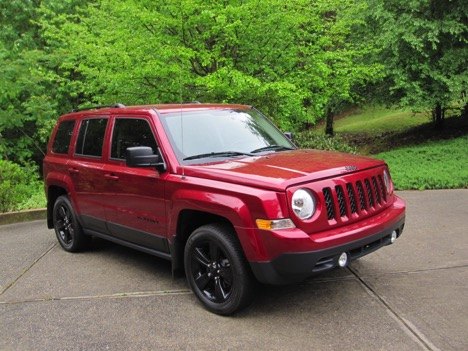
If you own a Jeep Patriot, you know it’s a reliable SUV. But maybe you feel it’s a bit slow, especially when merging onto highways or passing other cars. Many Patriot owners wish their vehicle had more power and speed. Making your Jeep Patriot faster is possible with smart upgrades, careful tuning, and a few practical changes. Below, you’ll find step-by-step advice, real examples, and expert tips to help your Patriot feel quicker without breaking the bank.
Upgrade The Air Intake System
The engine needs air to produce power. The stock air intake on the Jeep Patriot is designed for quiet operation, not performance. Replacing it with a cold air intake can help your engine breathe better.
- Cold air intakes pull cooler air from outside the engine bay. Cooler air is denser, so it provides more oxygen for combustion.
- Installing a cold air intake can boost horsepower by 5–10 HP. You’ll also notice the engine sounds sportier.
- Brands like K&N and Spectre offer kits for the Patriot. Most can be installed in about an hour with basic tools.
Many beginners forget to check local regulations. Some states have rules about aftermarket intakes. Always check before buying.
Improve Exhaust Flow
The factory exhaust restricts airflow to reduce noise. But a performance exhaust helps gases exit faster.
- A cat-back exhaust system replaces everything from the catalytic converter to the tailpipe. This reduces backpressure and helps the engine work easier.
- Expect gains of 7–15 HP, depending on your engine size and system quality.
- Upgrading the exhaust can also make your Patriot sound deeper and more aggressive.
Here’s a quick comparison of stock vs performance exhaust:
| Exhaust Type | Horsepower Gain | Sound Level | Cost |
|---|---|---|---|
| Stock | 0 HP | Quiet | $0 |
| Cat-Back | 7-15 HP | Louder | $350-$700 |
| Axle-Back | 4-8 HP | Moderate | $250-$500 |
Tune The Engine Control Unit (ecu)
The ECU manages how your engine runs. Factory settings favor fuel economy and emissions, not speed.
- A custom ECU tune can adjust fuel, timing, and throttle response for more power.
- With a tune, you might gain 10–20 HP, and throttle feels sharper.
- Many shops offer plug-and-play tuners. You can install these yourself or get a pro tune for best results.
A common mistake is using cheap, generic tuners. They may not fit your Patriot’s engine well and could cause issues. Always pick a trusted brand and check reviews.
Reduce Weight
Weight slows any vehicle down. The Jeep Patriot is not heavy compared to other SUVs, but every pound counts.
- Remove unnecessary cargo, roof racks, and unused seats if you don’t need them daily.
- Upgrading to lightweight wheels reduces rotational mass, making acceleration easier.
- Even swapping to a smaller spare tire can shave off a few pounds.
Below is a table showing how weight affects acceleration:
| Weight Reduction | Estimated 0-60 Time Improvement | Cost |
|---|---|---|
| Remove roof rack | 0.1 sec | $0 |
| Lightweight wheels | 0.2–0.3 sec | $600–$1,200 |
| Remove rear seats | 0.1 sec | $0 |
Upgrade Tires For Better Grip
Speed is not only about power. It’s also about putting that power to the ground. The right performance tires can help your Patriot accelerate better.
- Choose tires with a soft compound and good tread design. These stick to the road better, especially in dry conditions.
- Brands like Michelin Pilot Sport or Continental ExtremeContact are popular for performance upgrades.
- Wider tires (if your wheels allow) can also improve grip and handling.
If you drive in winter or off-road, keep a set of all-season tires for safety.
Maintenance Matters
Many Patriot owners overlook simple maintenance. A dirty air filter, old spark plugs, or low-quality oil can make your SUV feel sluggish.
- Change your air filter every 12,000 miles or once a year.
- Use high-quality synthetic oil. It reduces friction and helps the engine run smoother.
- Replace spark plugs every 30,000 miles for best combustion.
These steps don’t add horsepower, but they help your engine deliver its full potential.

Avoid Common Mistakes
Beginners often make upgrades without a plan. They buy random parts, hoping for speed. This can waste money and even reduce reliability.
- Always research parts and check compatibility with your Patriot’s year and engine size.
- Don’t expect massive gains. Most upgrades add small amounts of speed and power.
- Keep your upgrades balanced. Too much power without better tires or brakes can make your SUV unsafe.
A non-obvious tip: combine upgrades for best results. For example, a cold air intake and exhaust together can boost gains more than either alone.
Cost Vs Performance
Speed upgrades cost money. It’s smart to set a budget and compare options.
Here’s a simple table comparing upgrade cost and power gains:
| Upgrade | Power Gain | Cost | Skill Needed |
|---|---|---|---|
| Cold air intake | 5–10 HP | $150–$350 | Basic DIY |
| Cat-back exhaust | 7–15 HP | $350–$700 | Medium |
| ECU tune | 10–20 HP | $250–$600 | Medium/Pro |
| Performance tires | N/A | $400–$900 | Medium |
Final Thoughts
Making your Jeep Patriot faster is about smart upgrades and regular care. Focus on air intake, exhaust, ECU tuning, and tires for best results. Never overlook maintenance and weight reduction. Always research parts before buying, and remember—small changes add up. If you want more technical details, visit Car and Driver for expert reviews and performance data.
Frequently Asked Questions
How Much Faster Can A Jeep Patriot Get With Upgrades?
Most upgrades together can give you 20–40 extra horsepower. This can improve your 0–60 time by about 1 second, depending on your engine and setup.
Will Performance Parts Affect Fuel Economy?
Yes, some upgrades like a cold air intake or exhaust may reduce fuel economy slightly. ECU tuning can be adjusted for a balance between power and efficiency.
Are Upgrades Safe For Daily Driving?
If installed correctly and balanced, upgrades are safe. Avoid extreme modifications that could stress your engine or transmission.
What Is The Best First Upgrade For Speed?
A cold air intake is often the best first step. It’s affordable, easy to install, and gives noticeable gains.
Will Upgrades Void My Warranty?
Some upgrades may void parts of your factory warranty. Always check with your dealer before making changes.