Repairing a fiberglass Jeep hardtop can look difficult, but with the right steps and basic tools, most owners can handle it themselves. Whether your hardtop has small cracks, chips, or a larger hole, a careful repair can restore its strength and good looks. Many drivers are surprised that fixing fiberglass often requires more patience than special skills. This guide will walk you through the process, share what beginners often miss, and help you avoid common mistakes.
Understanding Fiberglass Jeep Hardtops
A Jeep hardtop is made of fiberglass, a strong but lightweight material. Fiberglass is popular because it resists rust and is easy to repair compared to metal. However, it can crack or chip from impacts, off-road use, or age.
When you repair a fiberglass hardtop, you restore both its appearance and its ability to keep water and wind out. Quick fixes, like tape or glue, rarely last. A proper repair will blend in and keep your Jeep protected for years.
Tools And Materials Needed
Before starting, gather these items:
- Fiberglass repair kit (includes resin, hardener, cloth, mixing container)
- Sandpaper (80, 150, and 220 grit)
- Body filler (like Bondo)
- Putty knife or spreader
- Acetone (for cleaning)
- Masking tape and plastic sheet (to protect other areas)
- Paint (color-matched to your Jeep)
- Protective gloves, goggles, and mask
- Drill with small bit (for “stop” holes on cracks)
Buying a quality fiberglass kit matters. Cheaper kits sometimes have weak resins that do not bond well, leading to future leaks.

Step-by-step Repair Process
Let’s break down the process into clear steps:
1. Assess The Damage
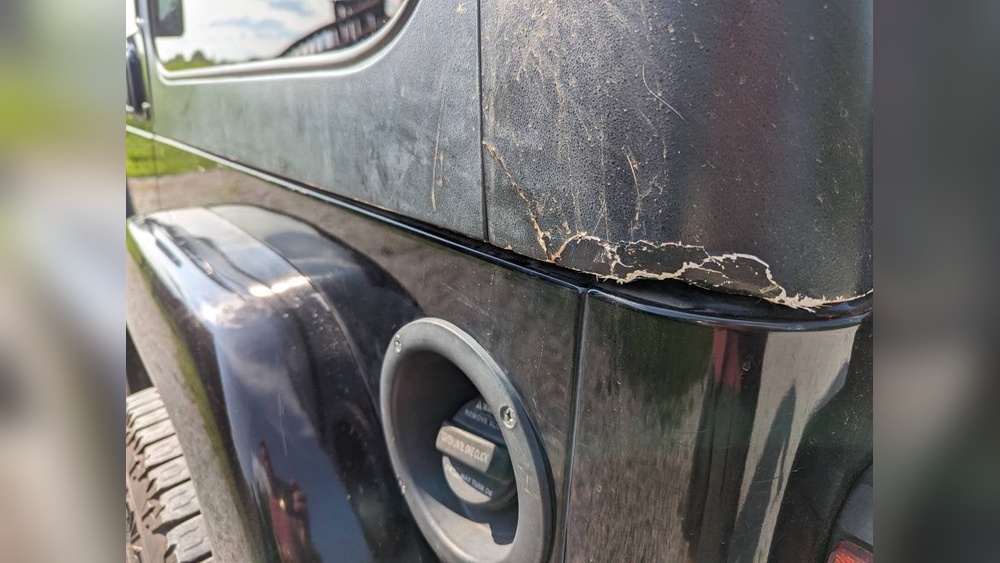
Inspect the hardtop closely. Small cracks, chips, or holes less than 3 inches are usually repairable at home. If the hardtop is shattered or has structural damage, consider consulting a professional.
2. Prepare The Surface
- Clean the area with acetone to remove dirt and grease.
- Sand a 2–3 inch area around the damage using 80 grit sandpaper. This helps the new resin bond well.
- For cracks, drill a small hole (about 1/8 inch) at each end. This prevents the crack from spreading further.
3. Apply Fiberglass Cloth And Resin
- Cut fiberglass cloth pieces to cover the damaged spot, extending 1–2 inches past the edges.
- Mix the resin and hardener as directed in your kit.
- Brush a layer of resin over the area, lay the cloth on top, then saturate it with more resin.
- Add 2–3 layers for strength, letting each layer soak fully before adding the next.
A common mistake: Don’t rush the resin mixing. If it’s not mixed well, the patch will not set correctly and may peel later.
4. Shape And Smooth
- Once the resin is cured (usually 2–4 hours), sand it smooth with 150 grit sandpaper.
- For dents or uneven spots, apply a thin layer of body filler. Let it dry, then sand again with 220 grit for a smooth finish.
5. Paint And Finish
- Mask off the repair area with tape and plastic to protect your windows and paint.
- Apply primer (if needed), then spray several thin coats of matching paint.
- Let each coat dry, then lightly sand if needed between coats for a factory finish.
Comparison: Diy Vs. Professional Repair
Here’s how home repairs compare to a shop fix:
| Factor | DIY Repair | Professional Repair |
|---|---|---|
| Cost | $30–$100 (materials) | $250–$600 |
| Time Needed | 4–6 hours (including drying time) | 1–2 days |
| Skill Required | Basic DIY skills | Expertise in fiberglass repair |
| Finish Quality | Good to excellent | Excellent, seamless |

Common Mistakes To Avoid
- Skipping surface prep: Resin won’t stick to dirty or glossy surfaces.
- Incorrect resin mix: Too much or too little hardener weakens the patch.
- Too few layers: One thin patch may crack again; use at least two or three.
- Painting too soon: Paint over uncured resin leads to peeling and discoloration.
When To Replace Instead Of Repair
Some damage is too severe for a home fix. Replace your hardtop if you see:
- Cracks longer than 12 inches
- Large holes (over 4 inches across)
- Sections that feel soft or “spongy” (means hidden rot)
While repairs are strong, they can’t restore structural integrity if the fiberglass is badly compromised.
How Fiberglass Repairs Compare To Other Materials
Fiberglass is easier to patch than metal or plastic. Here’s a simple comparison:
| Material | Repair Difficulty | Common Issues |
|---|---|---|
| Fiberglass | Easy to moderate | Cracks, chips |
| Metal | Hard | Rust, dents |
| Plastic | Moderate | Splits, sun damage |
Most Jeep hardtops are fiberglass, but double-check before starting. Some newer models may use plastic blends.
Tips For A Lasting Repair
- Always wear gloves and a mask—fiberglass dust can irritate skin and lungs.
- Work in a ventilated area to avoid breathing fumes.
- Keep the area dry for 24 hours after finishing to let the resin fully cure.
- Save leftover paint for future touch-ups.
One detail many miss: lightly feather the edges of your last resin layer. This helps blend the repair into the old fiberglass, making the fix almost invisible once painted.
If you want more background on fiberglass materials, the Wikipedia page on fiberglass explains its uses and benefits in vehicles.
A well-done repair gives your Jeep hardtop many more years of reliable use. Don’t rush—patience and attention to detail make all the difference.
Frequently Asked Questions
How Long Does A Fiberglass Jeep Hardtop Repair Last?
A proper repair can last as long as the original hardtop, often 5–10 years or more if done correctly and kept out of direct sun for long periods.
Can I Repair A Hardtop In Cold Weather?
It’s best to work in temperatures above 60°F (15°C). Resin can take much longer to cure in the cold and may not bond well if it’s below freezing.
What Paint Should I Use On A Jeep Hardtop?
Use automotive spray paint that matches your Jeep’s color code. Some owners use bedliner spray for extra durability, but always test on a small area first.
Is It Safe To Drive Immediately After Repair?
No. Wait at least 24 hours after the final resin layer before reinstalling or driving with the hardtop. This gives the repair full strength.
Can I Repair Holes Larger Than 3 Inches?
Larger holes can be fixed, but you may need to reinforce the area from behind or use a rigid backing to support the fiberglass until it cures.
Repairing your fiberglass Jeep hardtop is a rewarding project. With the right steps, most owners can achieve a repair that’s both strong and good-looking. Take your time, follow each stage, and your Jeep will be ready for adventure again soon.