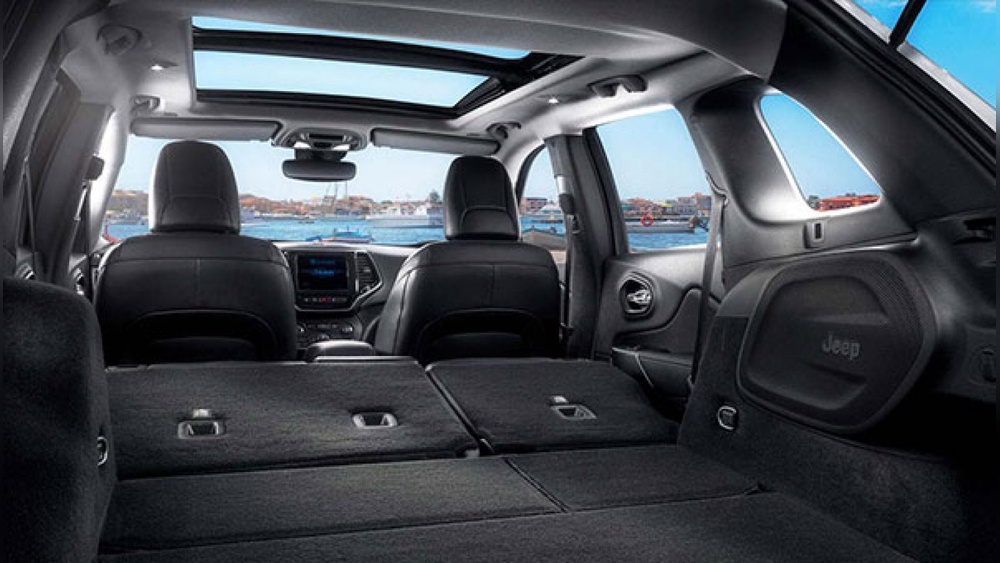
Folding down the seats in your Jeep Cherokee can make a big difference when you need more cargo space. Whether you drive a classic model or the latest version, knowing how to fold the seats quickly and safely will save you time and frustration. Many owners are surprised at how much extra room they can create for road trips, moving, or outdoor gear simply by adjusting their seats the right way.
Understanding Your Jeep Cherokee’s Seats
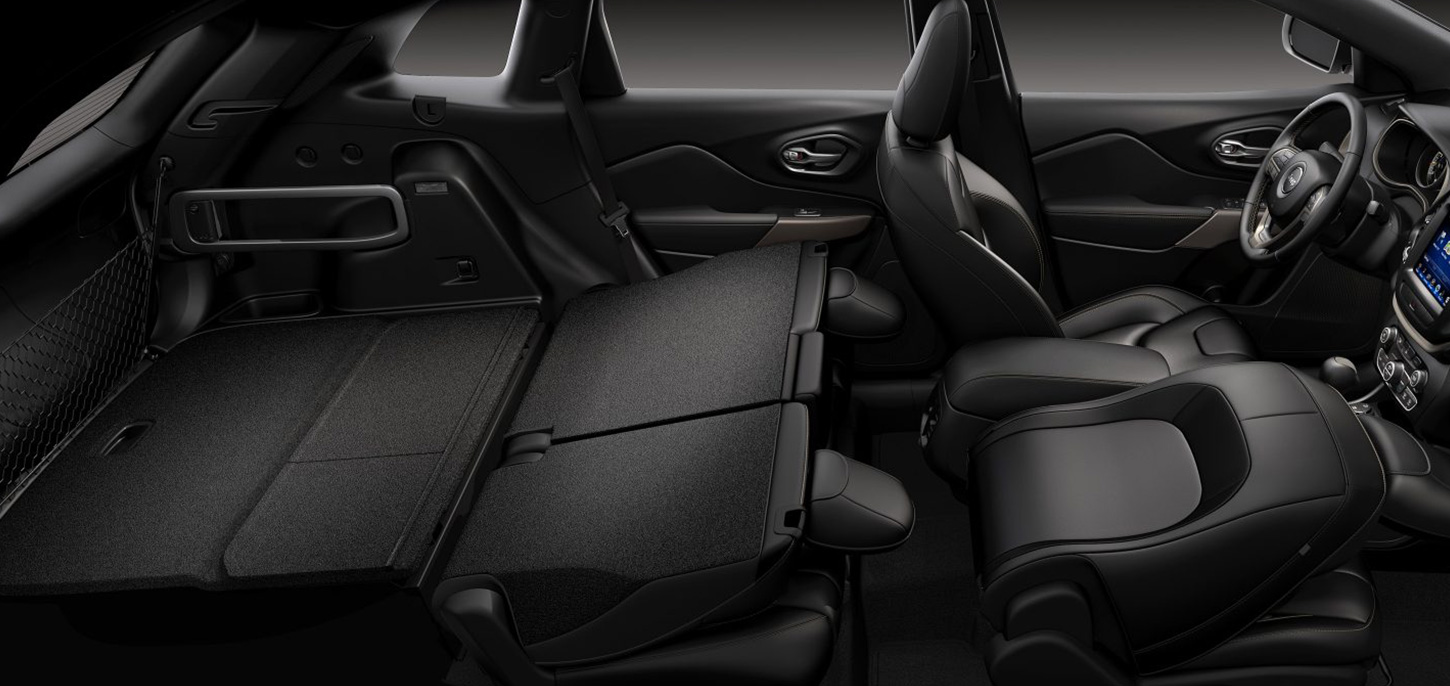
Jeep Cherokee models from recent years (2014 and newer) have a 60/40 split rear seat. This means you can fold one side or both, depending on your needs. Older models may have bench seats that fold differently. Always check your owner’s manual for specific instructions for your year.
Here’s a quick look at how the seat configuration varies:
| Model Year | Rear Seat Type | Folding Mechanism |
|---|---|---|
| 2014–Present | 60/40 Split | Lever Release |
| 1997–2013 | Bench or Split | Pull Tab/Strap |
| Pre-1997 | Bench | Manual Lift |
Knowing your model’s seat system helps prevent mistakes, especially if you switch between vehicles.
Steps To Fold Down Jeep Cherokee Rear Seats
Follow these steps to fold down your Jeep Cherokee’s rear seats safely and efficiently:
1. Clear The Area
Remove any objects from the rear seats and the footwells. Small items can get trapped and damage the folding mechanism.
2. Adjust The Front Seats
Slide the front seats forward if they block the rear seats from folding flat. In most cases, you’ll need at least a few inches of space.
3. Locate The Release Lever Or Strap
In newer Cherokees, you’ll find a lever at the upper outside edge of each rear seat (sometimes marked with a seat icon). In older models, there may be a pull tab or strap at the bottom of the seat back.
4. Release The Seat Back
Pull the lever or strap firmly. The seat back should unlock and tilt forward.
5. Fold The Seat Down
Push the seat back toward the floor until it lays flat. You may need to adjust the headrests or remove them if they block the seat from folding completely.
Here’s a comparison of the folding action in different years:
| Action | 2014–Present | Older Models |
|---|---|---|
| Release Type | Lever (side of seat) | Pull tab/strap (base or rear) |
| Headrest Adjustment | Usually required | Sometimes required |
| Result | Flat load floor | May be angled |
Tips For Folding Seats Like A Pro
- Headrest Removal: If the seat doesn’t fold flat, remove the headrest and store it safely. Many owners forget this step and force the seat, risking damage.
- Check for Child Seats: Always remove any installed child seats before folding down the seats. Leaving the hardware attached can break the latches or seat fabric.
- Protect the Seat Fabric: Place a blanket or mat underneath heavy cargo to prevent tears or stains.
- Use Both Sides: With the 60/40 split, fold down only what you need. For example, you can carry long items and still keep a seat open for a passenger.
Some beginners think the seats are stuck if they don’t move easily. Often, the problem is blocked tracks or unadjusted front seats. Don’t use excessive force—double-check for obstructions instead.
Unfolding And Returning Seats To Position
To return the seats to their upright position:
- Lift the seat back until it clicks into place.
- Check the latch by pressing on the seat back. It should not move.
- Replace the headrest and adjust the front seats as needed.
- Inspect seat belts to make sure they are not trapped behind the seat.
If the seat doesn’t lock, check for small objects in the latch area. Forcing the seat can bend the hardware, making future folding difficult.
When Extra Space Makes A Difference
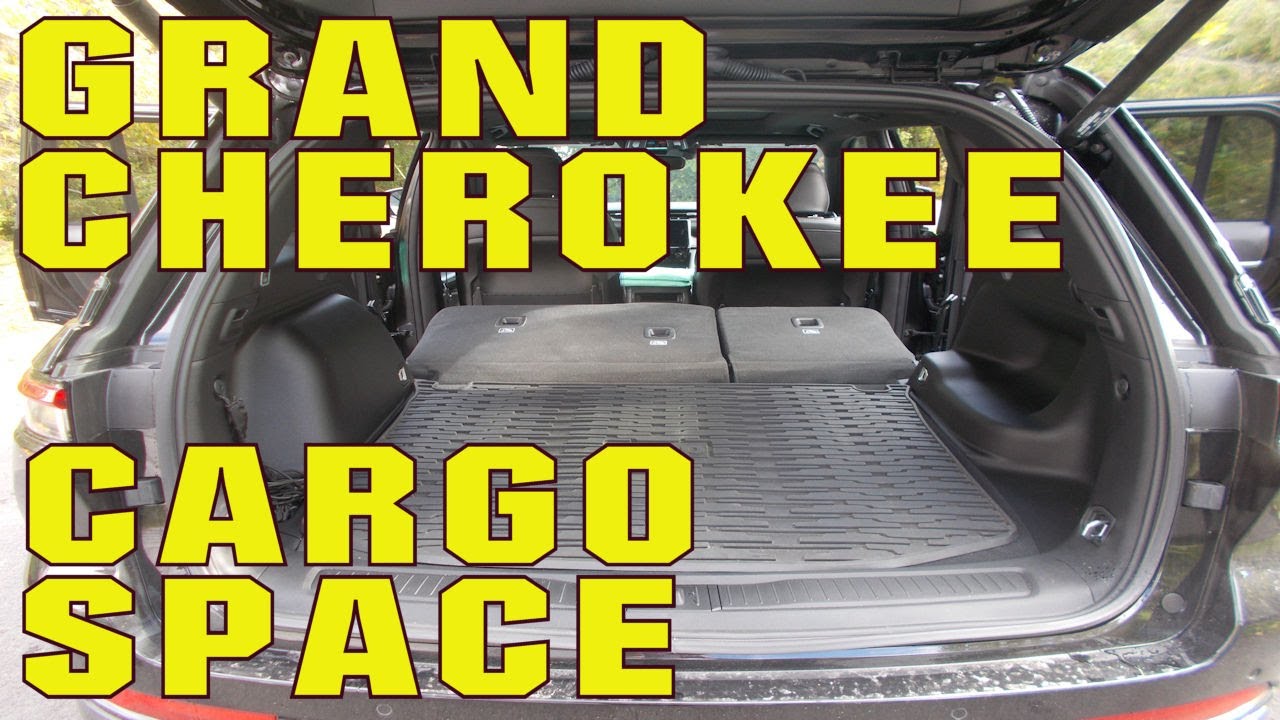
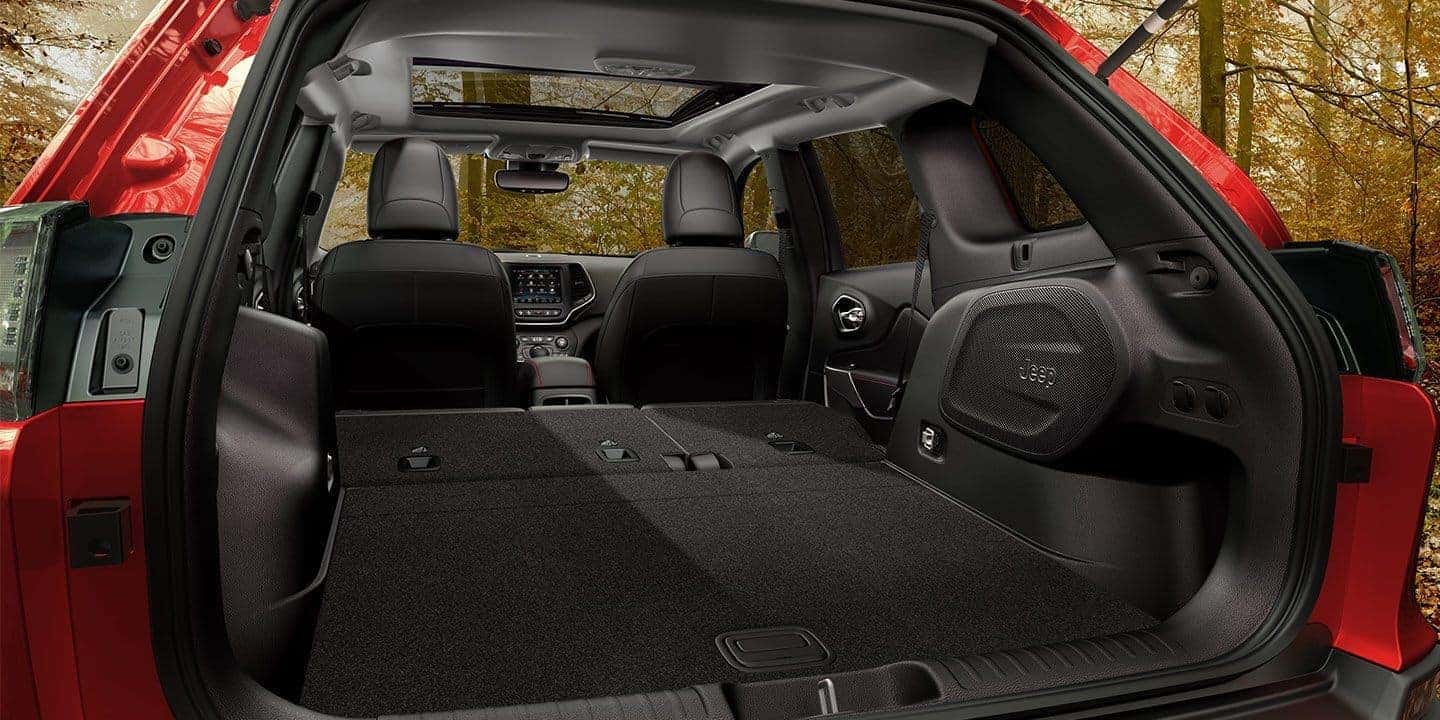
Folding your Cherokee’s seats creates a flat cargo floor up to 54.7 cubic feet in newer models. This is enough to fit:
- Two large suitcases and camping gear
- A mountain bike (with the front wheel removed)
- Home improvement supplies like lumber or boxes
Some owners have even transported small furniture by folding both rows down. With the seats up, you have about 25.8 cubic feet of cargo space, so folding nearly doubles what you can carry.
Here’s a quick view of the cargo space difference:
| Seat Position | Cargo Volume (cu ft) | Typical Uses |
|---|---|---|
| Seats Up | 25.8 | Groceries, small bags |
| Seats Down | 54.7 | Bikes, moving boxes |
Many people don’t realize that even partial folding (the “40” side) lets you transport long items while keeping room for passengers.
Common Mistakes And How To Avoid Them
1. Forcing The Mechanism
If the seat is stuck, don’t push harder. Check for seat belt buckles or trapped items.
2. Skipping Headrest Removal
This often blocks the seat from folding flat, especially in newer models.
3. Leaving Child Seats Attached
Folding with hardware in place can break the seat frame or damage the latch system.
4. Ignoring Seat Belts
Always pull out the seat belts before folding and after unfolding to avoid tangling or damage.
5. Not Checking For Full Locking
An unlocked seat back is a safety risk. Always check for a secure latch before driving.
Frequently Asked Questions
How Do I Fold Down The Jeep Cherokee’s Front Passenger Seat?
In some models (like the Trailhawk), you can fold the front passenger seat flat by pulling a lever on the side of the seat cushion. This lets you carry extra-long items like ladders.
Why Won’t My Rear Seat Fold Flat?
Usually, the headrest or a blocked track is the problem. Remove the headrest and check for loose objects or trapped seat belts.
Can I Fold The Seats With A Child Seat Installed?
No, always remove child seats and their bases before folding the seat. Leaving them in place can damage both the seat and the child seat hardware.
Is It Possible To Lock Only One Side Of The Split Seat?
Yes. The 60/40 split lets you fold and lock each side independently, so you can carry both passengers and cargo.
Where Can I Find More Details For My Jeep Cherokee Model?
Check your owner’s manual or visit the official Jeep Owner’s site for model-specific guides and diagrams.
Folding down your Jeep Cherokee’s seats is simple once you know how. With these steps, tips, and practical advice, you’ll get the most out of your vehicle’s flexible interior—whether you’re heading out for adventure or just tackling daily errands.