If you drive a 2019 Jeep Wrangler, knowing how to use its 4-wheel drive (4WD) can make a big difference in tough road conditions. Whether you’re facing mud, snow, or rocky terrain, switching to 4WD gives you extra traction and control. Many drivers are unsure how to activate this feature, especially if they’re new to off-roading or Jeep vehicles. This guide explains the right way to put your Jeep Wrangler in 4WD, including step-by-step instructions, practical tips, and answers to common questions. Using 4WD correctly can help you avoid getting stuck, protect your vehicle, and make your driving experience safer and more enjoyable. Even experienced drivers sometimes overlook key steps, so following this advice can help you avoid common mistakes and get the best performance from your Jeep.
Understanding 4wd Modes In The 2019 Jeep Wrangler
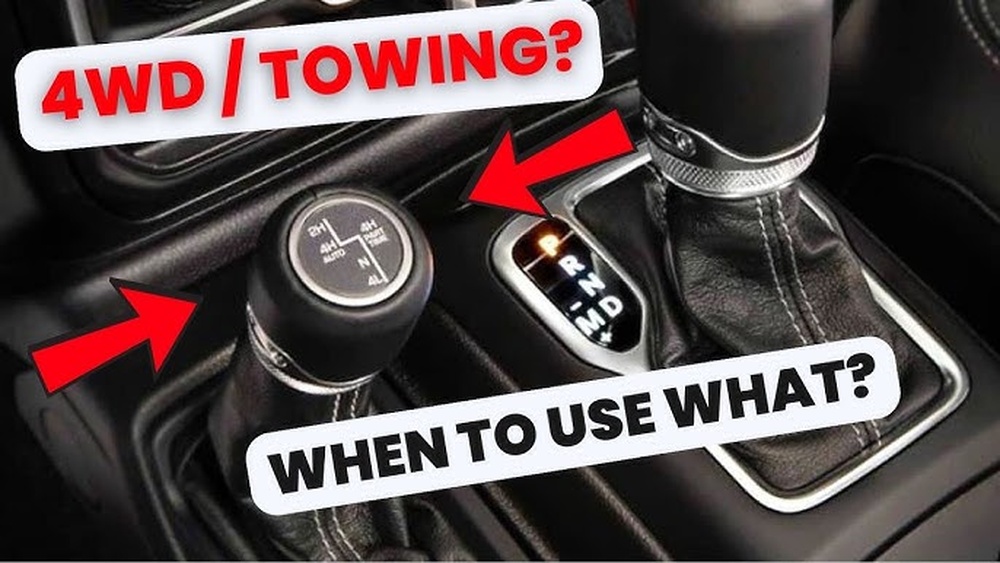
Your 2019 Wrangler has a shift lever for 4WD near the gear shifter. There are several modes:
- 2H (Two-Wheel Drive High): For normal driving on dry roads.
- 4H (Four-Wheel Drive High): For slippery conditions like rain, snow, or light off-road.
- 4L (Four-Wheel Drive Low): For heavy off-road, deep sand, or steep hills.
Each mode gives different levels of traction. It’s important to know which mode to use and when. For example, 2H is the default for everyday driving because it saves fuel and reduces wear. 4H spreads power to all wheels, helping you keep control when roads are slick or loose.
4L multiplies power and torque, letting you crawl over obstacles or climb steep slopes safely. If you accidentally use the wrong mode, you might lose traction or damage your Jeep’s drivetrain. Knowing the differences prevents problems and keeps your vehicle running smoothly.
How To Put Your Jeep Wrangler In 4wd
Switching to 4WD is simple if you follow these steps:
- Check your speed: Make sure you’re driving below 55 mph for 4H and below 3 mph for 4L. Going too fast can make shifting difficult or cause damage.
- Locate the 4WD lever: It’s usually beside your regular gear shifter. Take a moment to get familiar with its position, especially if you’re new to the Wrangler.
- Switch to 4H: While driving straight, gently pull the lever from 2H to 4H. You don’t need to stop the vehicle. The shift should feel smooth, but avoid forcing it.
- Switch to 4L: Stop the vehicle, put it in neutral, then push the lever from 4H to 4L. This shift requires more force, but should never be done while moving.
- Confirm engagement: The dashboard will show a light indicating you’re in 4WD.
Common mistake: Many drivers try to shift to 4L while moving. Always stop and use neutral for 4L. If you skip these steps, the system might not engage or could be damaged. It’s also wise to practice these shifts in a safe, flat area before you need them in real conditions.

When To Use Each 4wd Mode
Knowing when to use each mode is key for safety and performance. Here’s a quick comparison:
| Mode | Best For | Speed Limit |
|---|---|---|
| 2H | Dry pavement | No limit |
| 4H | Snow, mud, rain | <55 mph |
| 4L | Deep sand, rocks, steep hills | <3 mph |
Example: If you’re driving on icy roads, use 4H. If you’re climbing a rocky trail, switch to 4L. Many drivers forget to switch back to 2H after conditions improve, but staying in 4WD when it’s not needed increases wear and uses more fuel. If you’re unsure, watch how your Jeep handles—if it feels heavy or hard to steer on dry pavement, switch back to 2H.
Step-by-step Guide: Shifting Safely
Follow these steps for smooth shifting:
- For 4H:
- Keep driving slowly and straight.
- Pull the lever gently from 2H to 4H.
- Wait for the indicator light.
- For 4L:
- Stop the vehicle completely.
- Move the transmission to neutral.
- Push the lever firmly from 4H to 4L.
- Wait for the indicator light.
Pro tip: If the lever feels stuck, try rolling the vehicle slightly forward or backward while in neutral. Sometimes the gears don’t line up perfectly, so a tiny movement helps. Another trick is to shift gently—forcing the lever can damage the mechanism. If you practice these steps before your first off-road trip, you’ll be much more comfortable and prepared.

Tips For Effective 4wd Use
- Avoid sharp turns in 4H or 4L. This can cause binding and damage. If you feel resistance during a turn, straighten out as soon as possible.
- Shift only as needed. Don’t use 4WD on dry pavement. The extra traction isn’t helpful and may create problems.
- Practice in a safe area before hitting tough trails. Try shifting modes and driving over small bumps to understand how your Jeep responds.
- Check tire pressure regularly. Uneven tires can affect traction. Proper tire care also improves fuel efficiency and helps prevent getting stuck.
Here’s a quick data table comparing tire pressure effects:
| Tire Pressure | Traction | Risk |
|---|---|---|
| Correct | Optimal | Low |
| Too High | Poor | Slipping |
| Too Low | Good (off-road) | Damage (on-road) |
Another helpful tip: Lowering your tire pressure slightly can improve grip off-road, but always return to normal pressure before driving on pavement. Many beginners forget this and risk tire damage.
Maintenance And Troubleshooting
Keeping your 4WD system healthy is important for performance. Here’s how:
- Check fluid levels every 10,000 miles. These include transfer case and differential fluids.
- Listen for noises when shifting. Grinding sounds may signal a problem. If you hear unusual noises, get your Jeep checked soon.
- Inspect the transfer case for leaks. A small leak can turn into a big problem if ignored.
If 4WD doesn’t engage, try these fixes:
- Shift to neutral and try again.
- Check dashboard lights for errors.
- Consult your owner’s manual or visit a mechanic.
One insight: Using 4WD too often on dry roads can cause extra wear. Use it only when needed. Also, regular inspection of the shift lever and linkage can prevent issues before they become serious. Many owners skip these checks, but they help your Jeep last longer.
Off-roading Tips For Beginners
If you’re new to off-roading, start slow. Some practical advice:
- Scout the trail before driving. Walk ahead and look for obstacles or deep mud.
- Bring recovery gear like tow straps. Even simple tools can save you from a tricky spot.
- Travel with friends for safety. Having another vehicle nearby makes recovery easier.
- Keep your speed low in 4L. Slow driving gives you more control and lets you react to hazards.
Many beginners forget to switch back to 2H when returning to normal roads. This can harm the drivetrain. Also, take breaks to check your Jeep and tires after tough trails—catching problems early prevents bigger repairs.
Comparison: Manual Vs Automatic 4wd
Your Wrangler uses a manual lever. Here’s how it compares to automatic systems:
| System | Control | Reliability |
|---|---|---|
| Manual | Driver chooses | High |
| Automatic | Computer-controlled | Medium |
Manual systems give you more control, but require you to remember when and how to shift. With automatic 4WD, the computer decides based on wheel slip, which is easier but sometimes less reliable in extreme conditions. Manual shifting lets you respond to changing terrain and avoid unnecessary wear.

Frequently Asked Questions
How Do I Know If 4wd Is Engaged?
Look for the 4WD indicator light on your dashboard. You may also feel more resistance in steering and notice better traction. If the light doesn’t come on, try shifting again or check for error messages.
Can I Shift Into 4wd While Driving?
Yes, you can shift into 4H while moving (under 55 mph). For 4L, always stop and shift in neutral. If you feel hesitation or hear noises, don’t force the shift.
What Happens If I Use 4wd On Dry Pavement?
Using 4WD on dry roads can cause binding, damage, and extra wear. Only use it when roads are slippery or off-road. If you forget, switch back to 2H as soon as possible.
Is 4wd Needed For Light Snow?
For light snow, 4H is best. It improves traction and safety. Switch back to 2H when roads clear. If snow is deep or packed, consider lowering tire pressure slightly for extra grip.
Where Can I Learn More About Jeep Wrangler Systems?
The official Jeep website has detailed guides and videos: Jeep Wrangler Official Site.
By understanding your Jeep’s 4WD system and using it properly, you’ll stay safe and get the most from your vehicle. With the right technique, even beginners can tackle tough conditions with confidence. Always check your manual, practice shifting, and use 4WD only when necessary for the best results.
Taking time to learn and practice will pay off every time you face challenging terrain.