Adding decals to your Jeep is an easy way to show off your style, support your favorite team, or make your ride stand out. But if you’ve never applied a decal before, it can feel a bit tricky. With the right steps, you can get a clean, bubble-free finish that lasts for years.
Let’s walk through the process, share some pro tips, and help you avoid the common mistakes most beginners make.
Choosing The Right Jeep Decal
Picking the best decal is more than just finding a cool design. The material, size, and finish all affect how it will look and last.
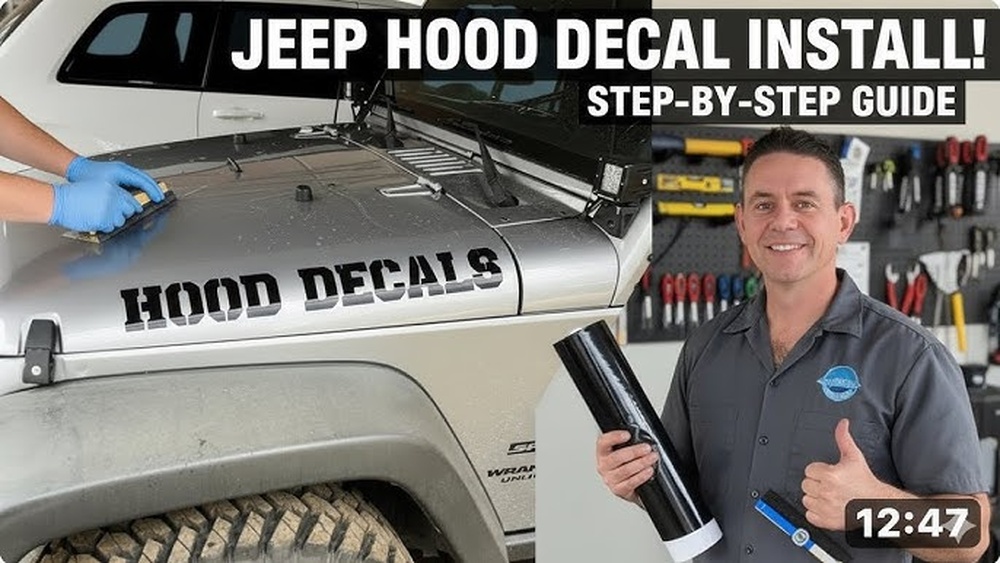
Vinyl decals are the most popular because they’re durable and weather-resistant. Look for brands that use UV-resistant inks—these won’t fade as quickly in the sun. Consider the finish: Glossy decals stand out more, while matte gives a subtle look and hides fingerprints.
When it comes to size, measure the area on your Jeep before buying. A decal that’s too big or too small will look awkward. Most Jeeps have popular spots for decals, like the hood, doors, or windshield.
Here’s a quick comparison of common decal materials:
| Material | Durability | Ease of Application | Best For |
|---|---|---|---|
| Vinyl | High | Easy | All weather |
| Paper | Low | Moderate | Temporary use |
| Static Cling | Medium | Very Easy | Windows only |
Preparing Your Jeep’s Surface
A clean surface is key for decals to stick well. Even tiny bits of dirt can trap air and cause peeling.
- Wash the area with car soap and water. Dry with a lint-free towel.
- Wipe with rubbing alcohol to remove grease and wax. Avoid window cleaners that leave residue.
- Check for damage. If the paint is chipped or rusty, fix it first. Decals won’t stick to rough spots.
For best results, apply decals in a dust-free area and avoid windy days. The ideal temperature is between 60°F and 80°F (15°C to 27°C).
Applying Jeep Decals Step-by-step
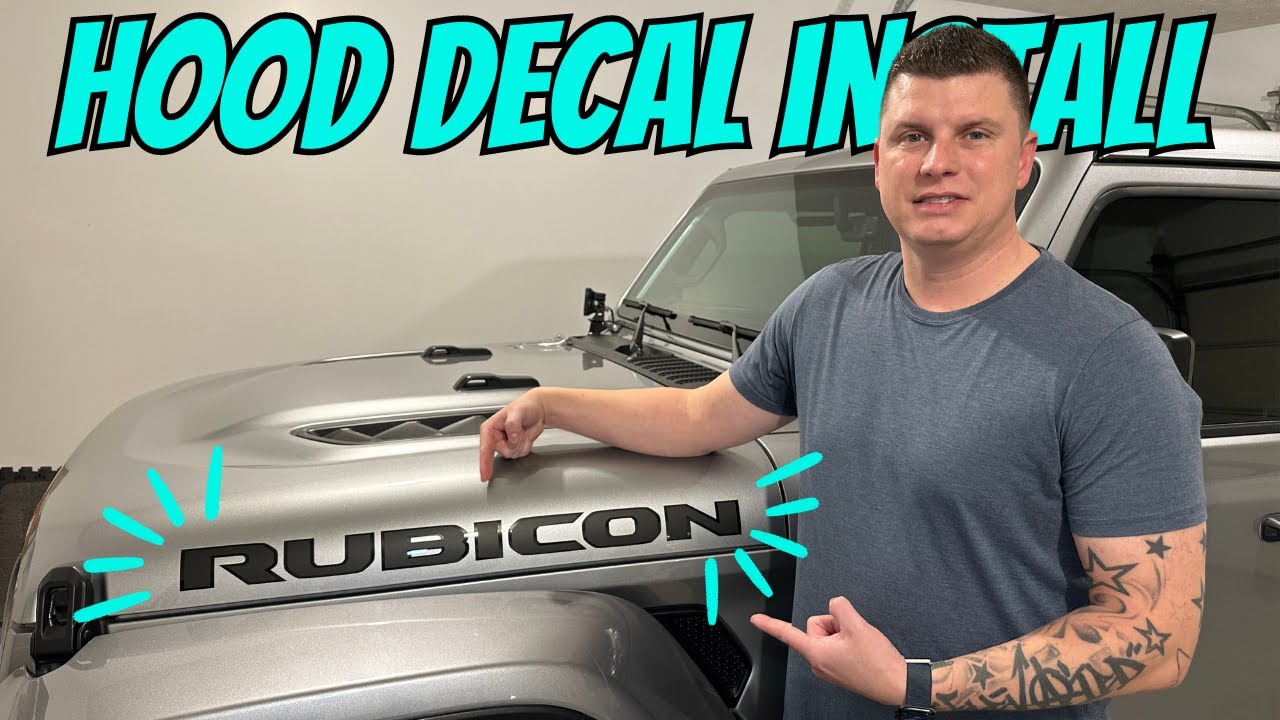
Most Jeep decals are peel-and-stick, but the method matters for a smooth finish.
- Position the decal (with the backing still on) where you want it. Use masking tape to hold it in place and step back to check alignment.
- Create a hinge. Run a strip of tape along one edge—this will let you flip the decal up and peel off the backing without losing placement.
- Peel the backing carefully. Start at one corner and go slowly to avoid touching the adhesive.
- Apply the decal using a squeegee or credit card. Move from the center outward, pressing out any air bubbles.
- Remove the transfer tape (if your decal has one). Peel at a sharp angle, checking that all parts of the decal stay down.
Here’s a comparison of two main application methods:
| Method | Best For | Pros | Cons |
|---|---|---|---|
| Dry Apply | Small decals | Quick, simple | Harder to fix mistakes |
| Wet Apply | Large decals | Easy repositioning | Needs extra drying time |
Wet application means spraying the surface (and decal adhesive) lightly with a mix of water and a drop of dish soap. This lets you slide the decal into position and squeegee out bubbles. But you must wait 24 hours before washing your Jeep or exposing it to rain.
Avoiding Common Mistakes
Many first-timers rush the process or skip steps. Here are two mistakes you might not expect:
- Not checking temperature: Applying decals in cold weather can cause poor adhesion. The adhesive gets stiff and won’t grip the paint. In hot weather, the decal can stretch or stick too quickly, making adjustment difficult.
- Ignoring surface texture: Decals won’t stick well to rough, textured, or rubberized surfaces. Always apply to smooth, painted metal or glass.
Also, don’t stretch the decal while applying. If you pull it too much, it can shrink back and peel at the edges later.

Aftercare And Longevity Tips
Decals need a bit of care to last for years. Wait at least 48 hours before washing your Jeep. Avoid power washers directly on the decal. Use a soft sponge and mild soap.
If you see small bubbles, don’t panic. Most tiny air bubbles disappear after a few days in the sun. For larger bubbles, use a pin to poke the bubble’s edge and press out the air with your finger.
Pro tip: Waxing over a decal may cause the edges to lift. If you wax your Jeep, carefully go around the decal or use a detailing brush for the edges.
Here’s a quick look at decal lifespan by environment:
| Climate | Expected Lifespan | Special Care Needed |
|---|---|---|
| Sunny/Hot | 2-3 years | Park in shade, UV spray |
| Cold/Snowy | 3-5 years | Avoid salt buildup |
| Moderate | 5+ years | Standard washing |
Removing Jeep Decals
When you want to change up your look, removal is simple if you go slowly. Heat the decal with a hair dryer to soften the adhesive. Peel gently with your fingers or a plastic scraper. Clean any leftover glue with rubbing alcohol.
Be careful not to scratch your paint. Avoid sharp tools, and never use a razor blade on glass if you’re not experienced.
Frequently Asked Questions
How Long Do Jeep Decals Last?
Most high-quality vinyl decals last 3–5 years outdoors. Lifespan depends on sun exposure, climate, and how well you care for them.
Can I Wash My Jeep After Applying A Decal?
Wait at least 48 hours before washing. This lets the adhesive fully cure. After that, hand washing is safest for your decal.
Are Jeep Decals Safe For Paint?
Yes, if applied and removed properly. They usually peel off cleanly without damage. Avoid leaving them on for more than 5 years, as adhesive can harden over time.
What’s The Best Way To Avoid Air Bubbles?
Start from the center and use a squeegee or credit card. For large decals, use the wet method to help push out bubbles before the adhesive sticks.
Where Can I Find Quality Jeep Decals?
Look for automotive specialty stores or trusted online sellers. For more info on decal types and installation, check the 3M Official Site.
Adding decals is a fun way to make your Jeep unique. With these steps, you’ll get a clean look that lasts—whether you’re showing off on the trail or just driving to work. Take your time, follow these tips, and enjoy your custom ride.