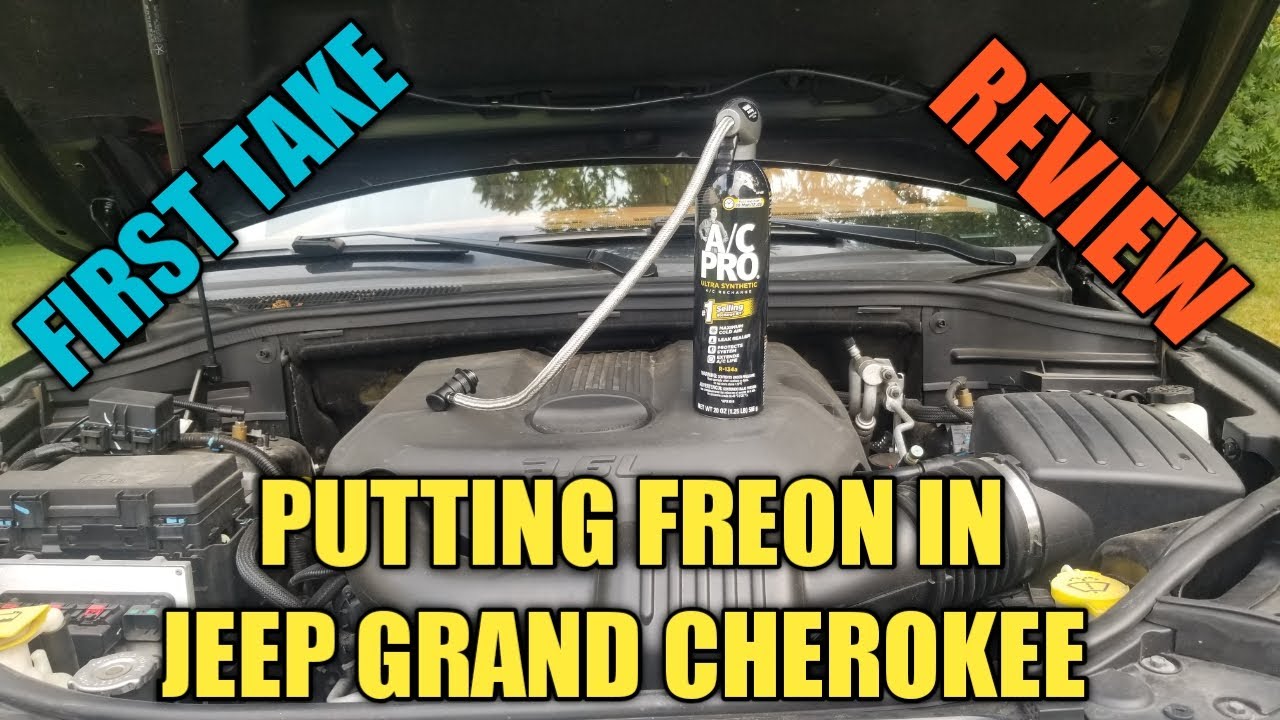
If your Jeep Cherokee isn’t cooling as it should, low refrigerant (commonly called Freon) is often the cause. Adding Freon isn’t hard, but doing it correctly keeps your AC system safe and efficient. This guide will help you understand how to put Freon in your Jeep Cherokee, step-by-step, using simple language and practical advice. Whether you drive an older model or a newer one, these instructions will help you avoid mistakes and keep your cabin cool.
What You Need Before Adding Freon
Before starting, gather the right tools and supplies. This saves time and prevents frustration. Here’s what you need:
- R-134a refrigerant (most Cherokees from 1996 onward use R-134a)
- AC recharge hose with gauge
- Safety goggles
- Gloves
- Clean cloth
Check your owner’s manual for the exact refrigerant type and capacity. Using the wrong refrigerant can damage your AC system. Most Jeep Cherokees use about 18 to 24 ounces of R-134a.
| Model Year | Refrigerant Type | Capacity (oz) |
|---|---|---|
| 1996-2001 | R-134a | 24 |
| 2002-2013 | R-134a | 18-21 |
| 2014-present | R-134a | 20 |
Step-by-step: How To Put Freon In Jeep Cherokee
Follow these steps to safely add Freon to your Cherokee’s AC system. Doing this right prevents leaks and other problems.
1. Find The Low-pressure Port
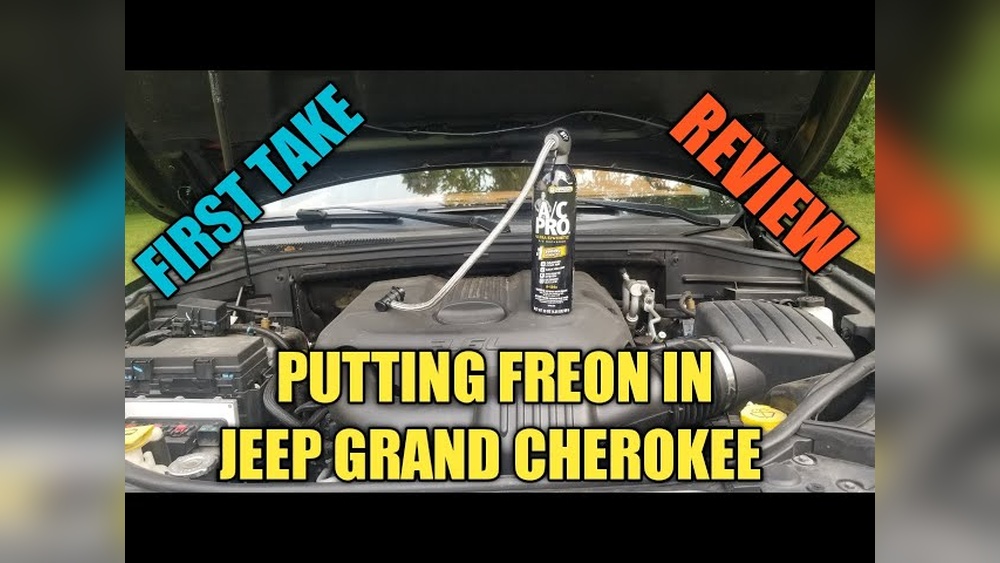
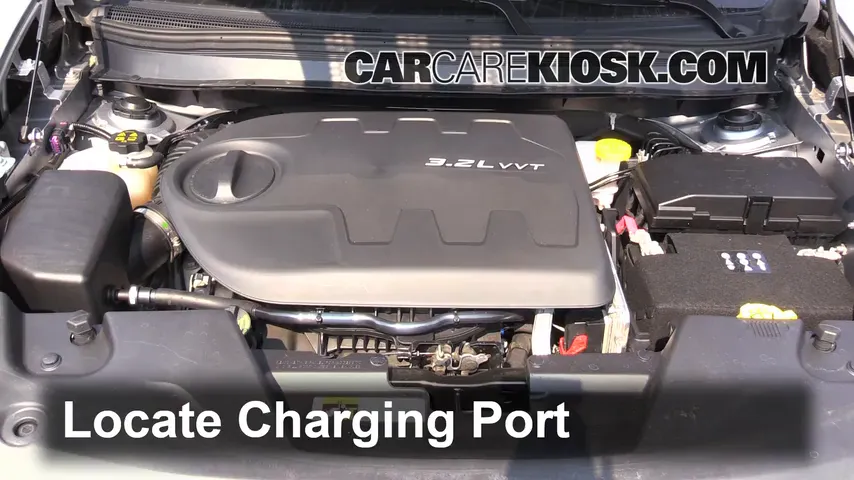
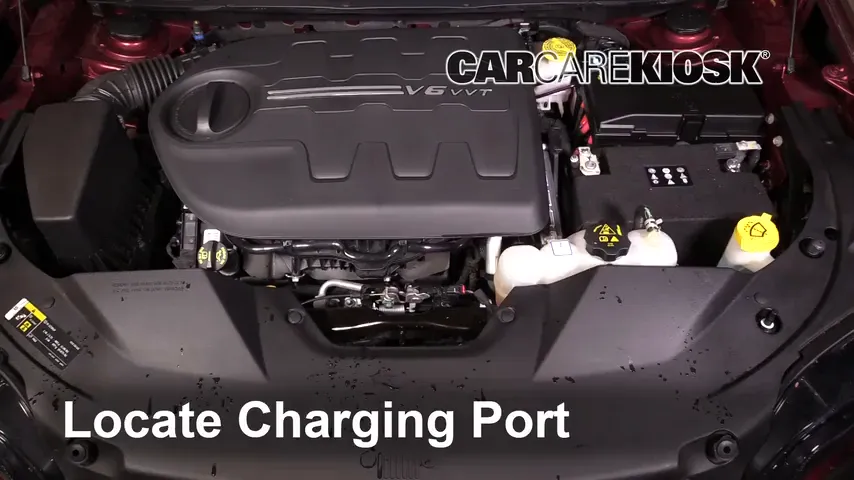
Open the hood and look for the low-pressure port. It usually has a blue or black cap labeled “L” or “LOW.” This port is on the larger AC line. Never use the high-pressure port—adding Freon there is dangerous.
2. Clean And Prepare
Wipe the port with a clean cloth. Dirt can cause leaks or contamination. Wear gloves and goggles for protection.
3. Attach The Recharge Hose
Connect the hose to the low-pressure port. Make sure it clicks or locks into place. The gauge should read the current pressure. For most Cherokees, the AC system should be between 25-45 psi when running.
4. Start The Engine And Ac
Turn on your Jeep. Set the AC to the highest cooling and maximum fan speed. This ensures the system is ready to receive refrigerant.
5. Check The Pressure
Look at the gauge. If it’s below 25 psi, your system is low on Freon. If it’s above 45 psi, don’t add more—your system may have another problem.
6. Add Freon Slowly
Shake the can of R-134a. Open the valve and let refrigerant flow into the system. Add Freon in short bursts. Watch the gauge and stop when it reaches 40-45 psi. Overfilling can damage your compressor.
7. Monitor Ac Performance
After adding Freon, check the air coming from the vents. It should feel cold. If not, your system may have leaks or other issues.
| Gauge Reading | Action |
|---|---|
| Below 25 psi | Add refrigerant |
| 25-45 psi | Optimal range |
| Above 45 psi | Stop adding, check for problems |
Tips For Safe And Effective Freon Recharge
Adding Freon seems simple, but many people make mistakes. Here’s how to do it right:
- Don’t overfill – More is not better. Too much refrigerant can cause high pressure and damage.
- Always use the right refrigerant – Check your owner’s manual or label under the hood.
- Look for leaks first – If your system loses Freon quickly, there’s likely a leak. Adding more won’t solve the problem.
- Use a quality gauge – Cheap gauges can give false readings. Invest in a reliable tool.
- Don’t mix refrigerant types – Never add R-12 to a system designed for R-134a.
- Record how much you add – This helps diagnose future AC problems.
Many beginners forget to check for leaks before adding Freon. This leads to wasted time and money. Another common mistake is overfilling, thinking it will cool better. In reality, too much refrigerant lowers AC performance.
Common Signs You Need Freon
Not sure if you need to add refrigerant? Here are the most common signs:
- AC blows warm air
- Compressor doesn’t turn on
- Visible frost or ice on AC lines
- Clicking or hissing sound from AC
If your Jeep shows these symptoms, check your pressure gauge before adding Freon.
How Much Freon Does Your Jeep Cherokee Need?
Every model has its own capacity. Adding too much or too little can harm your AC. Here’s a quick comparison:
| Jeep Cherokee Model | Freon Capacity (oz) |
|---|---|
| XJ (1996-2001) | 24 |
| KL (2014-present) | 20 |
Always check the sticker under the hood or the manual to confirm. If unsure, add in small amounts and check the gauge.
When To Call A Professional
Adding Freon is safe for most DIYers, but some problems need expert help. If your AC system has:
- Persistent leaks
- Compressor failure
- Electrical issues
- Strange noises even after recharge
It’s best to see a certified mechanic. Professional tools can find leaks and test the system better.
If you want more technical details, you can check the official Jeep Parts AC Recharge Guide.
Frequently Asked Questions
How Often Should I Add Freon To My Jeep Cherokee?
Most AC systems don’t need regular refills. If your Jeep’s AC is low every year, there’s likely a leak. Well-maintained systems can run for years without adding refrigerant.
Can I Use R-134a In Older Jeep Cherokees?
Cherokees made before 1996 used R-12, but most now use R-134a. If your system was converted, you can use R-134a. Always check the label or manual.
Is Adding Freon Dangerous?
If you follow safety steps, adding Freon is safe. Wear gloves and goggles, and never open the high-pressure port. Avoid inhaling refrigerant.
What Happens If I Overfill The Ac System?
Overfilling can damage the compressor or cause poor cooling. Always use a gauge and stop at the recommended pressure.
How Can I Tell If My Ac System Has A Leak?
Look for oily residue around fittings, listen for hissing sounds, or use a UV dye kit. If you find a leak, fix it before adding more Freon.
Putting Freon in your Jeep Cherokee can restore cool air and comfort. By following these steps and tips, you’ll keep your AC running efficiently. If problems persist, don’t hesitate to get professional help—this protects your vehicle and saves money in the long run.