Completing a Jeep drive cycle is a key step when you need your vehicle’s onboard computer to reset and run all its self-tests. If you’ve recently cleared trouble codes, replaced the battery, or fixed emissions parts, you may need to perform a drive cycle before your Jeep can pass a state inspection.
While it sounds technical, you don’t need advanced tools or deep mechanical knowledge to do it right. Let’s break down the process in simple steps and share tips to get it done efficiently.
What Is A Jeep Drive Cycle?
A drive cycle is a specific set of driving and idling patterns that lets your Jeep’s engine control module (ECM) run tests on critical systems. These tests help confirm that emissions controls, sensors, and other components are working as they should. Completing a drive cycle makes all the “readiness monitors” turn green, meaning your Jeep is ready for emissions testing.
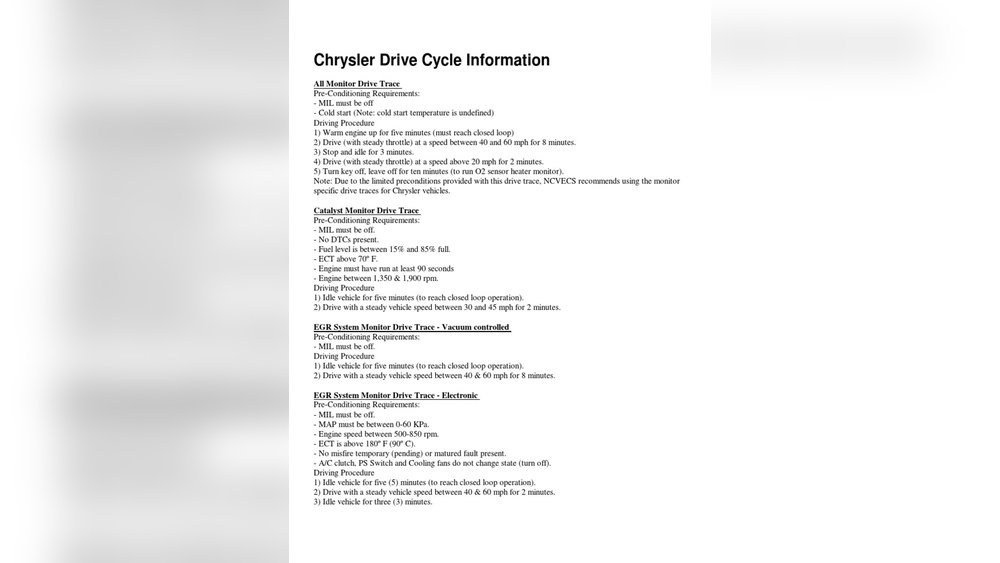
If you skip or do not finish a proper drive cycle, the vehicle’s computer may show “not ready” during inspection. This can lead to a failed test, even if there are no check engine lights or active trouble codes.
Why Is The Drive Cycle Important?
Passing the drive cycle is not just about inspections. It ensures your Jeep’s engine and emissions systems are running efficiently. Detecting small problems early can prevent bigger and more expensive repairs later. For many Jeep owners, especially after repairs or battery changes, completing the drive cycle is the only way to clear “not ready” codes.

Step-by-step: How To Complete A Jeep Drive Cycle
Let’s walk through the most common Jeep drive cycle. This example works for most models from the early 2000s to current years, including Wrangler, Grand Cherokee, and Cherokee. Always check your owner’s manual or a reliable online resource for your exact year and model.
Preparation
- Check fuel level: Make sure your gas tank is between 1/4 and 3/4 full. Too much or too little fuel can stop some tests from running.
- Cold start: Let your Jeep sit overnight or at least 8 hours with the engine off. The engine temperature and air temperature should be similar for the cold start to work.
- No stored codes: Fix all known problems first. Use an OBD-II scanner to check for codes and clear them if needed.
The Basic Jeep Drive Cycle
- Start the engine and idle: Turn on the engine and let it idle for about 2–3 minutes. Make sure all accessories like A/C and defrost are off.
- Accelerate gently: Drive at a steady speed of 20–30 mph for about 2 minutes. Keep the engine RPMs low.
- Highway speed: Increase speed smoothly to 50–60 mph and hold it for 15 minutes. Use cruise control if you can. Avoid sudden stops or rapid acceleration.
- Decelerate and coast: Let off the gas and let the car slow down on its own (no brakes) from highway speed down to 20 mph.
- Stop and idle: Come to a complete stop and let the Jeep idle in gear for at least 2 minutes.
Here’s a sample drive cycle for clarity:
| Step | Action | Time/Distance |
|---|---|---|
| 1 | Idle after cold start | 2–3 minutes |
| 2 | City driving (20–30 mph) | 2 minutes |
| 3 | Highway driving (50–60 mph) | 15 minutes |
| 4 | Coast down (no brakes) | Highway to 20 mph |
| 5 | Idle in gear | 2 minutes |
Key Tips For Success
- Avoid heavy traffic: The drive cycle works best on a clear road where you can keep steady speeds.
- No sudden moves: Hard acceleration or braking can interrupt the tests.
- Repeat if needed: Sometimes, all monitors do not set on the first try. You may need to repeat the cycle a few times.
- Use OBD-II scanner: Check readiness monitors after each drive. Most scanners show which systems are “ready” or “not ready.”
Common Problems And Solutions
Even when you follow all steps, some readiness monitors may not set. Here are some common issues and how to solve them:
| Problem | Possible Cause | Solution |
|---|---|---|
| Evaporative monitor not ready | Fuel tank too full or empty | Keep fuel between 1/4 and 3/4 |
| O2 sensor monitor not ready | Short trips, not enough highway driving | Drive longer at steady speeds |
| Misfire monitor not ready | Engine not cold at start | Let Jeep sit overnight before starting |
Non-obvious tip: Weather can affect your drive cycle. Extremely cold or hot days can change how quickly monitors reset. Also, if your Jeep’s battery is weak, the computer may not save the readiness status after you turn off the engine.
How Long Does It Take?
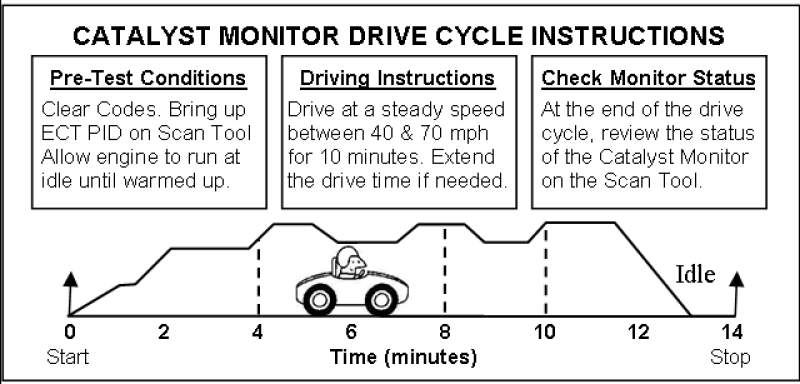
A full Jeep drive cycle usually takes 20–30 minutes if you follow the steps. However, sometimes two or three cycles may be needed for all monitors to show “ready.” If you’re in a hurry for inspection, plan for extra time in case you need to repeat the process.
Real-world Example
Let’s say you replaced your Jeep’s oxygen sensor. After clearing the check engine light, you drive to the inspection station, but they tell you the monitors are “not ready. ” This is common if you only drove a few blocks or didn’t hit highway speeds.
Following the full drive cycle solves this problem and helps you avoid a wasted trip.
Comparing Jeep Drive Cycles With Other Brands
Different car makers have unique drive cycles. Here’s a quick comparison:
| Brand | Highway Time | Key Differences |
|---|---|---|
| Jeep | 15 minutes | Longer highway drive, cold start needed |
| Honda | 7–10 minutes | Shorter, more city driving |
| Ford | 10 minutes | Specific coasting sequence |
Knowing these differences helps if you own more than one car or work on various brands.
Frequently Asked Questions
How Do I Know If My Jeep Drive Cycle Is Complete?
Use an OBD-II scanner to check readiness monitors. If all show “ready,” the cycle is complete. Most auto parts stores can scan your vehicle for free.
Can I Fail An Emissions Test If My Monitors Are Not Ready?
Yes. Most states allow only one “not ready” monitor; more than that will cause a failure. Check your local rules for details.
How Soon After Disconnecting The Battery Should I Do A Drive Cycle?
You should complete a drive cycle as soon as possible after reconnecting the battery. This helps the ECM relearn and set monitors quickly.
What If My Check Engine Light Comes Back On During The Cycle?
Stop the drive cycle and scan for codes. A returning check engine light means a problem still exists that must be fixed before you continue.
Is It Safe To Do The Drive Cycle On Any Road?
For best results, use open roads with light traffic, like highways or quiet streets. Avoid crowded areas to maintain steady speeds safely.
If you want to learn more about drive cycles and emissions, visit the US EPA’s official resource.
Completing a Jeep drive cycle can be simple if you follow the correct steps. With a little patience, you’ll get your Jeep ready for inspection and keep it running smoothly.