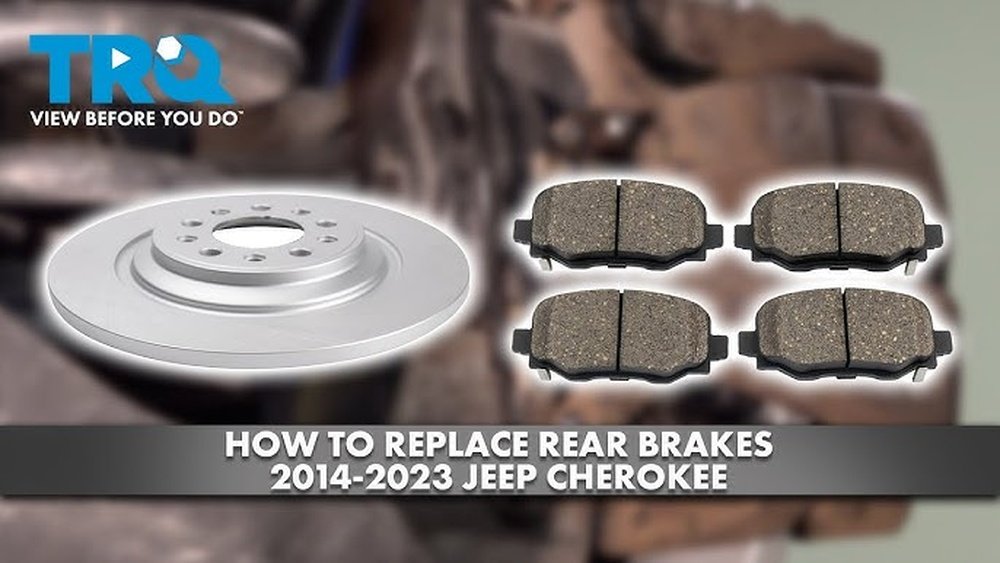
Changing the brakes on your Jeep Cherokee can save you money and help you understand your vehicle better. Many owners find this task easier than expected, especially with the right tools and guidance. If you want your SUV to stop safely, changing your brake pads and rotors regularly is important. This guide will show you every key step, highlight common mistakes, and provide tips for a smooth, safe brake job.
What You Need Before You Start
You need the right tools and parts for a successful brake change. Here’s a quick list:
- New brake pads (front or rear, depending on your project)
- New brake rotors (if replacing)
- Socket set and ratchet
- C-clamp or brake caliper tool
- Jack and jack stands
- Lug wrench
- Brake cleaner
- Bungee cord or rope
- Gloves and safety glasses
Check your Jeep Cherokee’s year and trim, as parts can differ. For example, Trailhawk models may use thicker rotors.
Preparing Your Jeep Cherokee
Safety comes first. Park on a flat surface and engage the parking brake. Loosen the lug nuts while the wheels are on the ground—this prevents the wheels from spinning. Once loose, use your jack to lift the vehicle and secure it with jack stands. Never rely on just the jack.
Remove the wheels to expose the brake components. Clean the area with brake cleaner to get rid of dust and grime.

Removing Old Brake Pads And Rotors
Follow these steps to remove your old brakes:
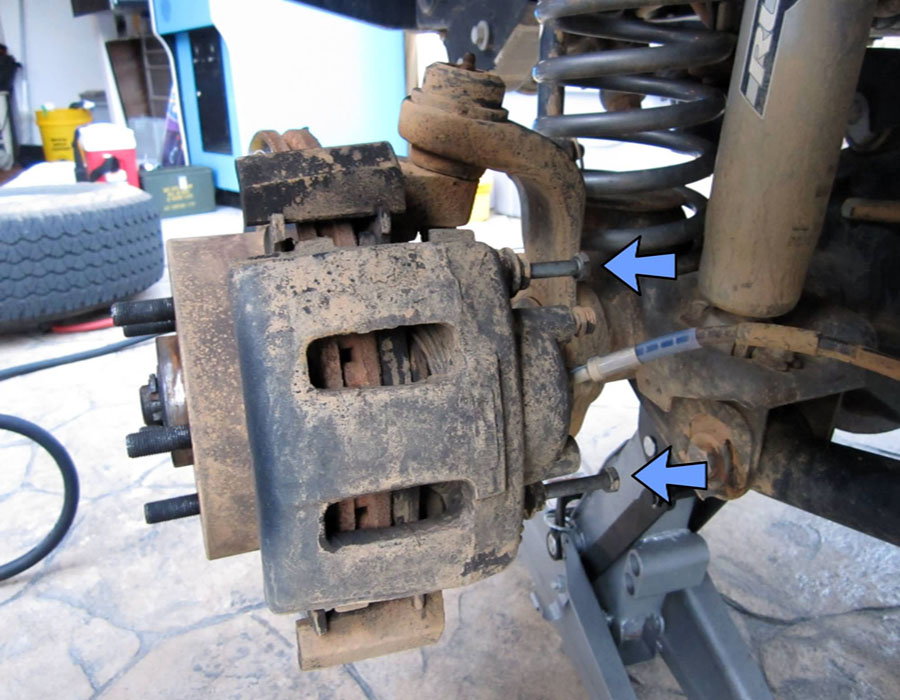
- Locate the caliper bolts (usually on the back of the caliper) and remove them with your socket set.
- Carefully slide the caliper off the rotor. Hang it with a bungee cord to avoid straining the brake line.
- Remove the old brake pads. If they stick, gently pry them out.
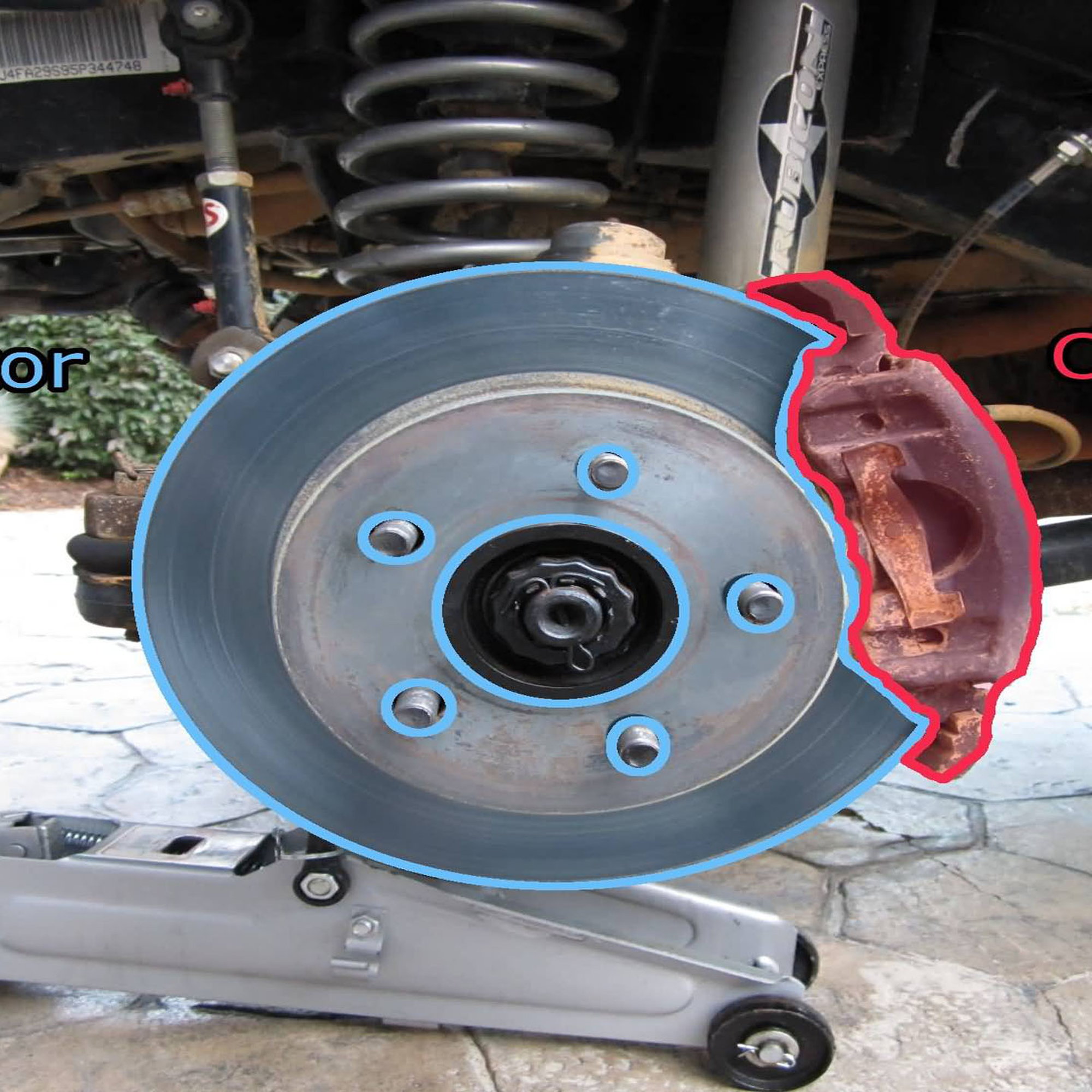
- To remove the rotor (if replacing), take off the caliper bracket first. Some rotors have a retaining screw—remove it.
- Slide off the old rotor. If it’s stuck, tap gently with a rubber mallet.
Non-obvious tip: Some calipers use special bolts or clips. Check your manual or take a photo before removing anything.
Installing New Brake Pads And Rotors
Clean the new rotor with brake cleaner to remove oil residue. Install the rotor onto the hub. Reattach the caliper bracket and tighten bolts to the manufacturer’s specifications.
Use a C-clamp or special tool to compress the caliper piston fully. This is crucial—if not done, the new pads won’t fit. Install the new brake pads into the caliper bracket.
Slide the caliper over the new pads and secure with bolts. Double-check all bolts are tight.
If you removed a retaining screw, reinstall it. Repeat the process for all wheels you’re servicing.
Jeep Cherokee Brake Data At A Glance
Here’s a quick reference for common Jeep Cherokee brake sizes and torque specs (always confirm for your year/model):
| Model Year | Front Rotor Diameter (in) | Rear Rotor Diameter (in) | Caliper Bolt Torque (ft-lbs) |
|---|---|---|---|
| 2014–2021 | 12.6 | 12.6 | 30–35 |
| 2011–2013 | 11.9 | 11.9 | 27–31 |
| Trailhawk | 13.0 | 13.0 | 34–38 |
Finishing Up And Testing
Reinstall the wheels and hand-tighten the lug nuts. Lower the vehicle, then tighten lug nuts fully in a star pattern to ensure even pressure.
Before driving, pump the brake pedal several times. This seats the pads against the rotors and restores brake pressure.
Test drive at low speed in a safe area. Listen for noises. A slight smell is normal as new pads break in, but grinding or strong burning smells mean you should double-check your work.
Common Mistakes To Avoid
- Not compressing the caliper piston fully—new pads won’t fit and may cause brake drag.
- Touching the friction surface of new pads/rotors with greasy hands—always handle with clean gloves.
- Not cleaning slide pins—dirty pins can cause uneven pad wear.
- Forgetting to torque bolts—loose bolts can be dangerous.
Cost And Time Comparison
Here’s a comparison of DIY vs. professional brake service:
| Service Option | Estimated Cost (per axle) | Time Needed |
|---|---|---|
| Do-It-Yourself | $80–$180 | 1–2 hours |
| Mechanic Shop | $250–$400 | 2–3 hours (including wait) |
DIY saves money but requires patience and attention.
Useful Tips For First-time Diyers
- Take photos before you remove parts. This helps with reassembly.
- Work on one side at a time. If you get confused, use the other as a reference.
- Use a torque wrench for all bolts. Overtightening can damage threads, undertightening is unsafe.
- If your rotors are grooved or blue, replace them—resurfacing is rarely worth it for modern vehicles.
- Always check brake fluid after changing brakes. If low, top off with the recommended type.
When To Seek Professional Help
If you hear grinding noises after installation, feel a soft brake pedal, or notice leaks, stop and get expert help. Some issues, like ABS sensor problems, need special tools and knowledge.
Frequently Asked Questions
How Often Should I Change Brakes On A Jeep Cherokee?
Most Jeep Cherokee brake pads last between 30,000 and 60,000 miles. Your driving style, city or highway use, and towing will affect this. Check pads at every oil change.
Can I Just Replace Brake Pads And Not Rotors?
Yes, if the rotors are smooth and not too thin. But if they are deeply grooved, warped, or below minimum thickness, replace them. Your manual lists the minimum thickness.
Do I Need Special Tools To Change Cherokee Brakes?
You only need common tools plus a C-clamp or brake piston tool. Some models may need a Torx or Allen wrench for caliper bolts. Check before starting.
How Do I Know If My Brakes Need Changing?
Common signs are squealing, grinding, vibration, or a longer stop distance. Visually, pads thinner than 3mm should be replaced.
Will Changing My Brakes Void My Warranty?
Changing your own brakes does not void your warranty if you use proper parts and follow recommended procedures. Keep receipts and document your work. For more details, check Wikipedia.
Taking care of your Jeep Cherokee’s brakes makes every drive safer. With patience and attention to detail, you can tackle this task at home and save money. Remember, safe brakes are more important than speed—always double-check your work before you hit the road.