Jump starting your 2018 Jeep Compass can feel intimidating, especially if you’ve never done it before. A dead battery can happen to anyone—maybe you left the headlights on, or the car sat unused for weeks. The good news is, jump starting is quick and safe if you follow the right steps. In this guide, you’ll learn exactly what to do, what to avoid, and how to protect your Jeep. You’ll also get practical advice, comparisons, and answers to the most common questions.
Tools And Precautions
Before you touch anything, collect the essential tools:
- Jumper cables (heavy-duty, well-insulated)
- Another vehicle with a 12V battery (not hybrid/electric)
- Safety gloves
- Eye protection
Make sure both vehicles are parked on a flat surface, away from moving traffic. Turn off all electronics in your Jeep radio, lights, air conditioning. This prevents power surges and protects sensitive circuits.
Key Safety Tips
- Never touch the metal clamps together.
- Avoid jump starting with a damaged cable.
- Do not lean over the battery while connecting.
- Remove jewelry to prevent accidental contact.
These steps help avoid sparks, burns, or battery explosions a risk many beginners underestimate.
Step-by-step Guide To Jump Start
Let’s break down the exact process, so you don’t miss anything.
1. Locate The Battery
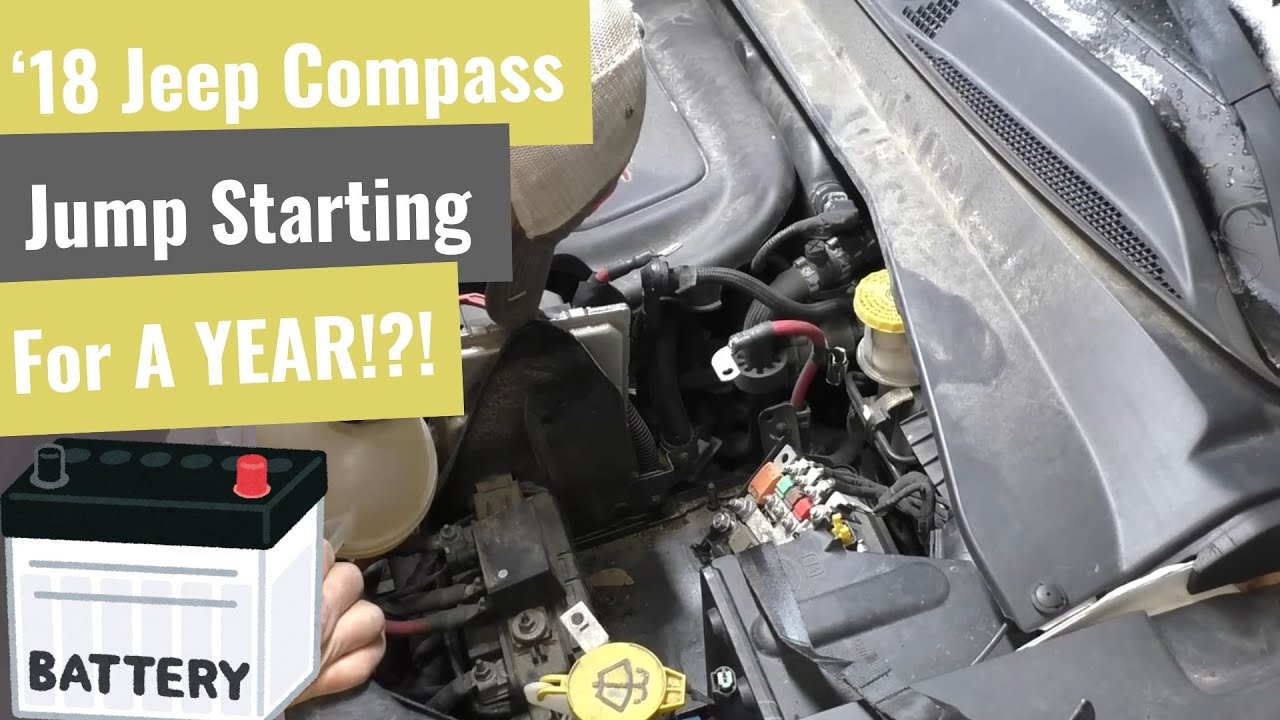
The 2018 Jeep Compass battery is under the hood, slightly toward the passenger side. Open the hood and secure it with the prop rod. Look for the black plastic cover—it snaps off easily.
2. Prepare Both Vehicles
Position the running vehicle close enough for the cables to reach, but don’t let them touch. Both cars should be in park (automatic) or neutral (manual), with parking brakes on.
3. Connect Jumper Cables
Follow this sequence:
- Red clamp to positive (+) terminal on the Jeep.
- Red clamp to positive (+) terminal on the helper car.
- Black clamp to negative (-) terminal on the helper car.
- Black clamp to bare metal (unpainted) surface under the Jeep’s hood—never the battery’s negative terminal.
Many people make the mistake of connecting the last clamp directly to the battery. This can cause dangerous sparks.
4. Start The Helper Vehicle
Let it run for 2 3 minutes. This charges your battery slowly and avoids sudden surges.
5. Start Your Jeep Compass
Try turning the key. If nothing happens, wait a bit longer. If the engine starts, let it idle for at least 5 minutes. This helps recharge your battery and stabilizes the electrical system.
6. Remove The Cables Safely
Reverse the order:
- Black clamp from the Jeep (metal surface).
- Black clamp from the helper car.
- Red clamp from the helper car.
- Red clamp from your Jeep.
Don’t let the clamps touch until all are removed.
7. Reinstall Battery Cover And Close Hood
Snap the cover back and make sure everything is secure.
Common Mistakes And How To Avoid Them
Here are two errors beginners often make:
- Wrong clamp order: Connecting the negative clamp to the battery instead of a metal ground can cause sparks and damage.
- Running accessories: Leaving lights or radio on during jump start can overload circuits and drain the battery faster.
Always double-check connections and turn off all accessories before starting.
Battery Types And Compatibility
Not all batteries work the same. Here’s a quick comparison:
| Battery Type | Compatibility | Cold Cranking Amps (CCA) | Price Range |
|---|---|---|---|
| AGM | High (recommended) | ~700 | $120–$180 |
| Lead-acid | Moderate | ~600 | $80–$120 |
| Gel | Low | ~650 | $150–$200 |
The AGM battery is standard for most Jeep Compass models. If you use a different battery, check the specs before jump starting.

When To Replace Your Battery
Jump starting is a temporary fix. If your Compass needs a jump more than once a month, the battery may be failing.
Look for these signs:
- Slow engine crank
- Dim headlights
- Dashboard warning lights
Here’s how battery age affects performance:
| Battery Age | Typical Performance | Jump Start Frequency |
|---|---|---|
| Under 2 years | Strong | Rarely needed |
| 2–4 years | Moderate | Occasionally |
| Over 4 years | Weak | Often needed |
If your battery is old or weak, consider replacing it soon.
Real-life Example
Imagine you’re stranded at the grocery store. You ask a neighbor for help. They park their sedan next to your Jeep, and you both follow the steps above. Within 10 minutes, your Compass starts, and you’re back on the road.
The process is quick, safe, and works for most drivers.
Practical Tips For Long-term Battery Health
- Clean battery terminals every 6 months.
- Drive your Jeep at least once a week to keep the battery charged.
- Park in a garage during cold weather—extreme cold drains batteries faster.
If you’re unsure about your battery’s health, get it tested at a service center. For more details about batteries and jump starting, visit the Auto Batteries site.
Frequently Asked Questions
How Long Should I Let My Jeep Idle After Jump Starting?
Let it idle for at least 5–10 minutes. This allows the battery to recharge and reduces the risk of another stall.
Can I Use A Portable Jump Starter For The Jeep Compass?
Yes. Most portable jump starters are compatible with the Compass’s 12V battery. Always check the device’s rating before use.
What If My Jeep Doesn’t Start After Jump Starting?
Check cable connections and try again. If it still won’t start, the battery may be too weak or there could be a problem with the starter or alternator.
Is It Safe To Jump Start In The Rain?
Yes, but avoid water contact with electrical parts. Wear gloves and be extra cautious.
How Often Should I Replace My Jeep Compass Battery?
Most batteries last 3–5 years. Replace yours if jump starts become frequent or if you notice performance issues.
Jump starting your 2018 Jeep Compass is simple when you follow these steps. With the right tools and careful technique, you’ll avoid mistakes and keep your vehicle running strong. Remember, jump starting is a temporary fix don’t ignore signs of a failing battery.
Take care of your Jeep, and it will take care of you.