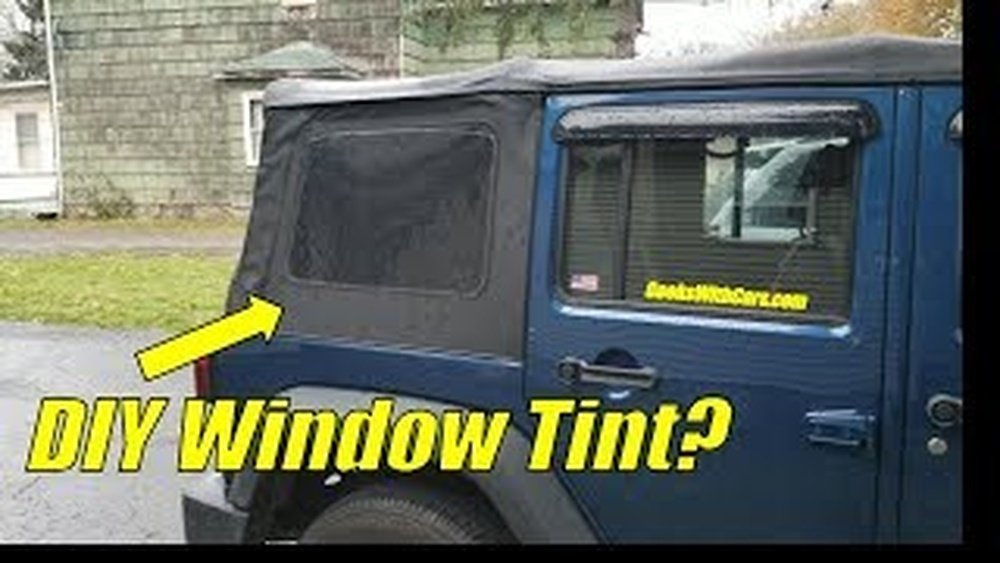
Jeep soft tops are known for their flexibility and open-air driving feel, but their clear plastic windows can leave you exposed to sunlight, heat, and prying eyes. Tinting Jeep soft top windows is a practical way to add privacy, reduce glare, and protect your interior from UV rays.
While many Jeep owners believe tinting is only for glass, there are safe and effective ways to tint plastic windows. This guide covers everything you need to know, from choosing the right materials to avoiding common mistakes, so you can tint your soft top windows confidently and safely.
Understanding Jeep Soft Top Window Tinting
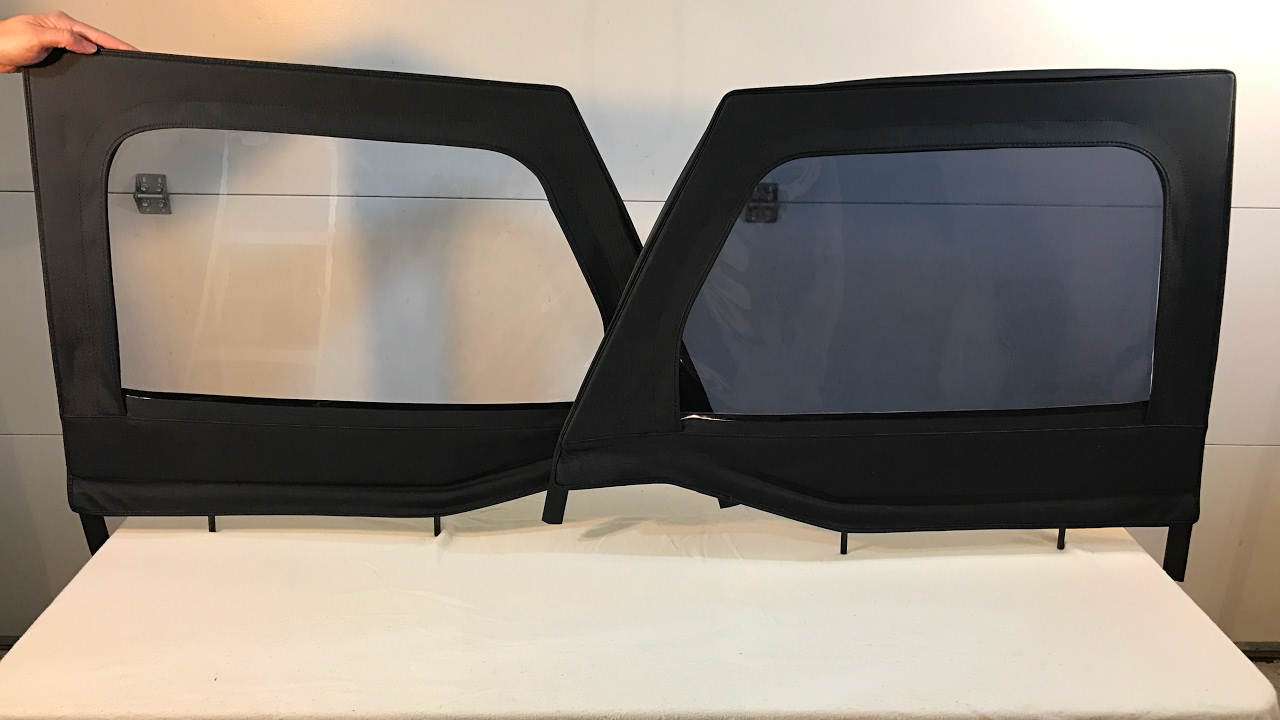
Tinting soft top windows is different from tinting glass. Most Jeep soft tops use vinyl or plastic windows, not real glass. These materials need special tint films or sprays designed for plastics. Regular automotive tint films won’t stick well and may damage the windows.
Key Benefits
- Privacy: Tinting makes it harder to see inside your Jeep.
- UV Protection: Quality tint blocks up to 99% of UV rays, protecting passengers and the interior.
- Temperature Control: Tinted windows can reduce cabin heat by up to 60% on sunny days.
- Style: A dark tint gives your Jeep a sleek, customized look.
Tint Options For Soft Top Windows
There are two main approaches:
- Tint Film for Plastics: Thin adhesive sheets made for vinyl/plastic. Easy to apply and removable.
- Tint Spray: Aerosol coatings that color the window surface. Good for curved windows but permanent.
Here’s a quick comparison:
| Method | Durability | Ease of Removal | Cost |
|---|---|---|---|
| Tint Film | 2-3 years | Easy | $25-$75 |
| Tint Spray | 3-5 years | Difficult | $15-$40 |
Step-by-step: How To Tint Jeep Soft Top Windows
1. Choose The Right Tint
Pick a plastic-specific tint film or spray. Avoid regular glass tint. Check the product label for “vinyl” or “plastic window” compatibility. Popular brands include VViViD and Gila for films; VHT Nite-Shades for sprays.
2. Clean And Prepare Windows
Clean the windows thoroughly with a vinyl-safe cleaner. Avoid ammonia-based products, as they can damage plastic and leave streaks.
- Remove the soft top windows if possible for easier handling.
- Dry the windows completely.
3. Measure And Cut Tint
If using tint film, measure the window size. Cut the film slightly larger than the window. This gives room to trim for a perfect fit later.
4. Apply Tint Film
- Peel off the backing from the tint film.
- Spray the window with a soapy water solution (1 teaspoon mild soap per quart water).
- Place the tint film on the wet window surface.
- Smooth out air bubbles with a plastic squeegee. Start from the center and work outward.
- Trim excess film with a sharp blade.
5. Apply Tint Spray
If using tint spray:
- Mask off areas around the window with painter’s tape and plastic sheets.
- Shake the spray can well.
- Apply light, even coats. Wait 10 minutes between coats.
- Apply 2-3 coats for desired darkness.
6. Let The Tint Cure
Film: Allow 24 hours for the adhesive to set before reinstalling the window or rolling it up.
Spray: Wait at least 48 hours before handling.
7. Reinstall And Inspect
Check for bubbles, streaks, or missed spots. If you see issues, carefully peel back and reapply film, or sand/re-spray small areas for spray tint.
Legal And Practical Considerations
Check local laws before tinting. Some states limit how dark windows can be, even for plastic. For example, California requires at least 70% light transmission for front windows.
Here’s a comparison of typical US tint regulations:
| State | Max Tint Darkness (Rear) | Plastic Window Rules |
|---|---|---|
| California | Any | Must allow 70% light |
| Texas | Any | No specific rule |
| Florida | Any | No specific rule |
If you travel across states, play it safe and choose a lighter tint.
Common Mistakes To Avoid
- Using glass tint on plastic: It won’t stick or may damage the window.
- Skipping cleaning: Dirt under the film causes bubbles and peeling.
- Applying too thick spray coats: Leads to drips and uneven color.
- Not checking laws: Dark tint can result in fines.
- Rolling up windows before curing: This can ruin the tint.
Many beginners forget that plastic windows expand and contract with heat. If you apply tint film in cold weather, it can wrinkle later. Always tint in moderate temperatures (60°F–80°F).

Non-obvious Tips For Better Results
- Use a microfiber cloth to clean before and after tinting. Paper towels can scratch vinyl.
- Warm the window slightly with a hair dryer before applying film. This makes the surface smoother and helps film stick better.
- For curved windows, cut the tint film into smaller strips. Overlapping strips look better than a single wrinkled sheet.
- If you want to remove tint later, use a plastic razor blade and warm soapy water. Avoid metal blades—they scratch easily.
Maintenance After Tinting
- Clean with mild soap and water. Avoid ammonia or abrasive cleaners.
- Don’t roll up soft top windows until the tint is fully cured.
- Inspect for peeling or fading every 6 months. Replace if needed.
- If the window gets scratched, polish gently with plastic-safe polish.
Jeep soft top windows are softer than glass, so treat them gently. Well-maintained tint can last several years.
Frequently Asked Questions
How Dark Can I Tint Jeep Soft Top Windows?
Most states allow any darkness for rear and side windows, but front windows often require at least 70% light transmission. Always check your local regulations before starting.
Will Tinting Affect Visibility At Night?
Yes, darker tint can reduce visibility in low light. Choose a lighter shade if you drive often at night. Films rated at 50%–70% light transmission are safer.
Can I Tint Windows With Scratches?
Tint film may highlight scratches. Spray tint covers minor scratches but won’t fix deep ones. For best results, polish out scratches before tinting.
Is It Possible To Remove Tint From Plastic Windows?
Yes. Tint film can be peeled off with a plastic razor blade and warm soapy water. Spray tint is harder to remove and may need sanding or replacement.
What’s The Best Way To Clean Tinted Soft Top Windows?
Use mild soap and water with a microfiber cloth. Avoid harsh chemicals and rough sponges. Proper cleaning keeps tint looking clear and prevents damage.
Tinting Jeep soft top windows is a smart upgrade for privacy, comfort, and style. With the right materials and careful technique, you can achieve a professional look and extend the life of your windows. For more details on window tint regulations, visit IIHS Vehicle Laws.