Replacing the water pump on your Jeep Wrangler can sound like a big job, but it’s possible for a careful DIYer with the right tools and a bit of patience. The water pump is a key part of the cooling system—it keeps your engine from overheating by moving coolant through the engine and radiator. A faulty water pump can quickly lead to engine damage, so knowing how to replace it is valuable for any Jeep owner. This guide will walk you through the process step by step, highlight common mistakes, and offer expert tips to make the job easier and safer.
Signs Your Jeep Wrangler Water Pump Needs Replacing
Recognizing a failing water pump early can save you from costly repairs. Watch for these warning signs:
- Coolant leaks under the front of your Jeep
- Whining or grinding noise coming from the engine
- Engine overheating or running hotter than normal
- Steam from under the hood
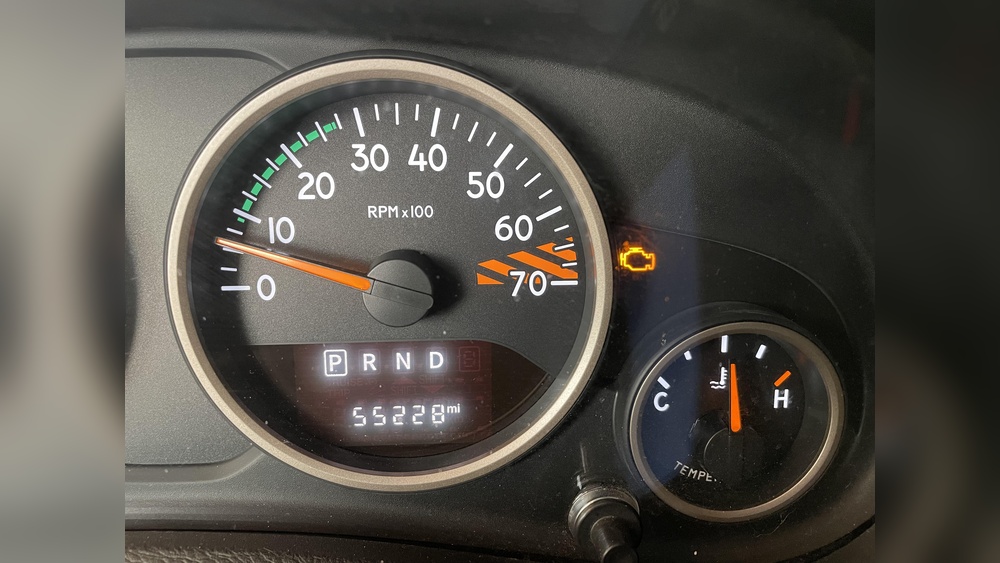
- Coolant warning light on the dashboard
If you notice any of these, it’s time to inspect your water pump.
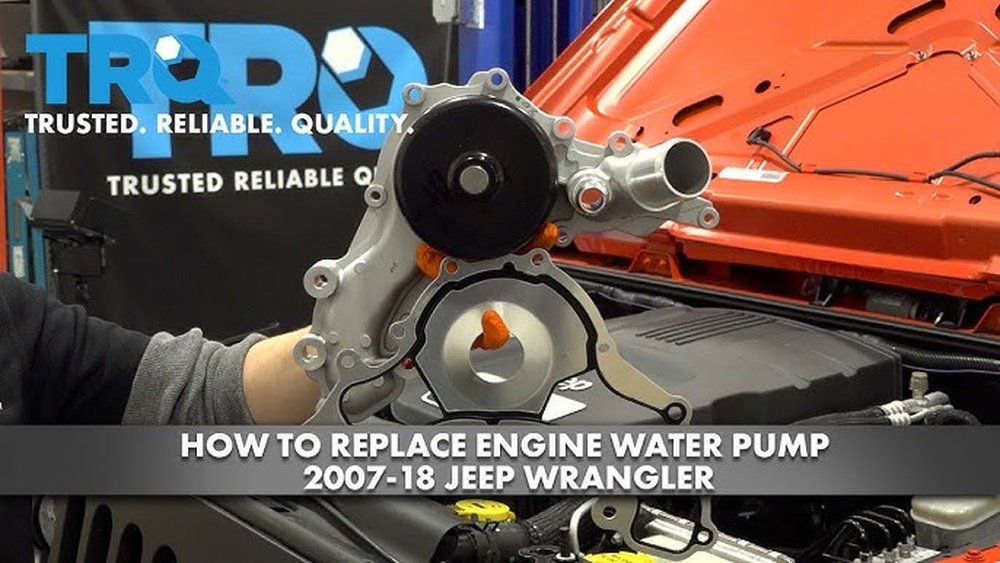
Tools And Parts You’ll Need
Before starting, gather these essential tools and parts:
- New water pump (check your Wrangler’s year and engine type)
- Gasket or gasket maker (as specified for your model)
- Socket set and wrenches
- Screwdrivers
- Drain pan
- Pliers
- Coolant (pre-mixed or mix yourself)
- Clean rags
- Torque wrench (for accurate bolt tightening)
- Safety gloves and eye protection
Preparation And Safety
Working on your Jeep’s cooling system requires care. Here are steps to get ready:
- Let the engine cool completely—never open the cooling system hot.
- Disconnect the battery to avoid electrical shorts.
- Set the parking brake and ensure the Jeep is on a flat surface.
Many people forget to let the engine cool fully. Hot coolant can cause serious burns. Take your time; rushing this step is a common and dangerous mistake.
Step-by-step Guide To Replacing The Water Pump
Here’s how to replace the water pump on a Jeep Wrangler (most models, including TJ and JK):
- Drain the coolant
- Place the drain pan under the radiator.
- Open the drain valve and remove the radiator cap to let air in.
- Dispose of old coolant safely—it’s toxic to pets and the environment.
- Remove components blocking access
- Take off the air intake, fan, and fan shroud if needed.
- Loosen the serpentine belt using a wrench on the tensioner.
- Disconnect hoses from the water pump
- Use pliers to loosen hose clamps.
- Twist hoses gently to break them free. If they’re stuck, don’t force—use a pick tool.
- Remove the water pump bolts
- Note the location and length of each bolt. Some may be different sizes.
- Take a photo before removal to help with reassembly.
- Take off the old water pump
- Pry gently if it’s stuck, but don’t damage the engine block.
- Clean the mounting surface with a scraper and rag until no old gasket material remains.
- Install the new water pump
- Place the new gasket or apply gasket maker as directed.
- Position the pump and hand-tighten bolts first to avoid cross-threading.
- Use a torque wrench to tighten bolts to the manufacturer’s specification.
- Reconnect hoses and components
- Attach hoses and secure clamps.
- Reinstall the belt, fan, fan shroud, and air intake.
- Refill coolant
- Pour in new coolant until full.
- Bleed the system of air by running the engine with the radiator cap off (watch for splashing).
- Check for leaks
- Inspect all connections.
- Top off coolant as needed.
Time And Cost Estimate
Most DIYers spend 2-4 hours on this project. Typical costs:
| Item | Estimated Cost (USD) |
|---|---|
| Water Pump | $40–$120 |
| Coolant | $15–$30 |
| Gasket/Gasket Maker | $5–$15 |
| Labor (Shop) | $150–$350 |
DIY replacement saves significant money, but if you’re unsure, a professional is a good idea.
Common Mistakes To Avoid
Even experienced DIYers make errors with water pumps. Watch out for these:
- Over-tightening bolts: This can crack the pump housing or strip threads.
- Not cleaning the gasket surface: Leftover debris causes leaks.
- Forgetting to bleed air: Air pockets lead to overheating.
- Mixing old and new coolant: This reduces cooling efficiency.
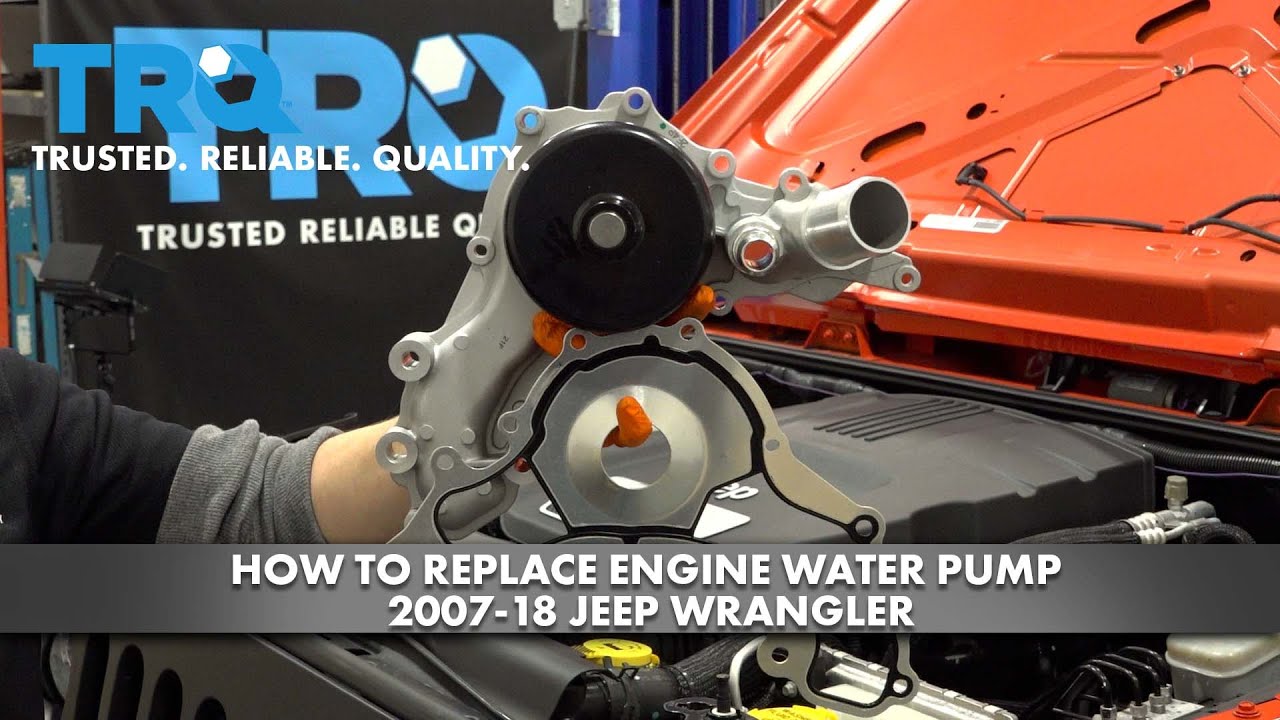
A non-obvious tip: Always compare the new pump to the old one before installation. Check bolt holes and pulley alignment—they must match exactly.
Comparing Oem Vs Aftermarket Water Pumps
Choosing the right replacement is important. Here’s a quick comparison:
| Feature | OEM | Aftermarket |
|---|---|---|
| Price | Higher | Lower |
| Fit/Finish | Excellent | Varies |
| Warranty | Often included | Depends on brand |
| Reliability | Trusted | Varies |
OEM parts are usually best for reliability, but quality aftermarket brands can be a smart way to save.

Expert Tips For A Smooth Job
- Label bolts and parts during removal—this saves confusion later.
- Flush the cooling system if old coolant looks dirty or rusty.
- Replace hoses or the thermostat if they show signs of wear; this prevents future problems.
- Use a shop manual for your Jeep’s exact engine—bolt patterns and torque specs can vary.
If you want to learn more about cooling system basics, visit Wikipedia: Water pump (engine).
Frequently Asked Questions
How Do I Know If My Jeep Wrangler Water Pump Has Failed?
Common symptoms include coolant leaks, overheating, and unusual noises from the engine area. If you see steam or the temperature gauge rises quickly, the water pump may be the cause.
Can I Drive My Jeep With A Bad Water Pump?
It’s not safe. A failing water pump can cause your engine to overheat in minutes, leading to expensive damage. Replace it as soon as possible.
Do I Need Special Tools To Replace The Water Pump?
Most replacements need only standard hand tools, but a torque wrench is highly recommended for tightening bolts correctly.
How Often Should I Replace The Water Pump?
Water pumps usually last 60,000–90,000 miles. Replace it if it fails, or as a preventive step when changing the timing belt (if your model uses one).
Is It Necessary To Replace The Thermostat With The Water Pump?
It’s a smart idea, especially if your Jeep has high mileage. A new thermostat ensures the cooling system works efficiently and reduces the risk of future overheating.
Replacing a water pump on a Jeep Wrangler may seem challenging, but with careful work and the right steps, it’s a doable task for most DIYers. Take your time, follow each instruction, and your Jeep will be back on the road, running cool and strong.