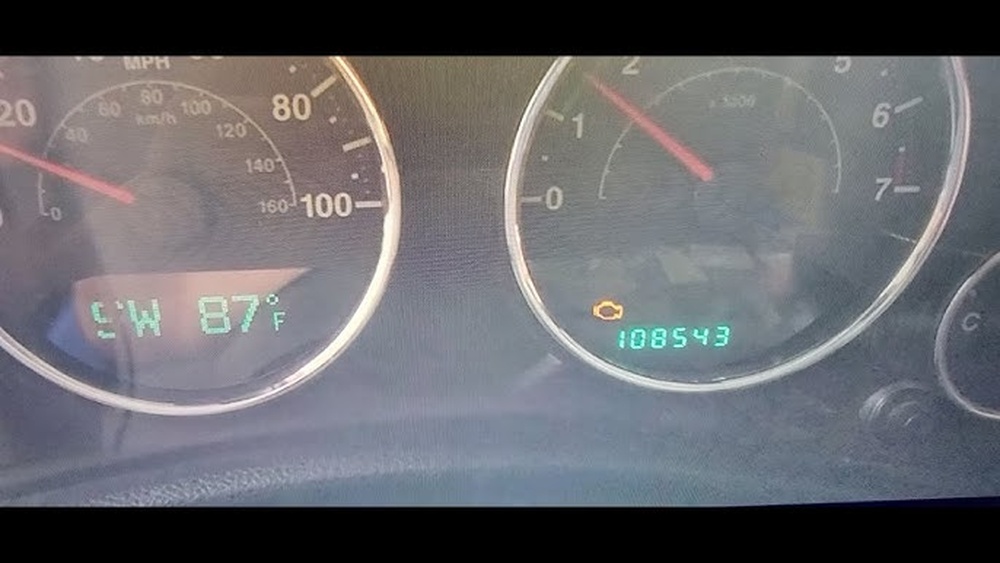
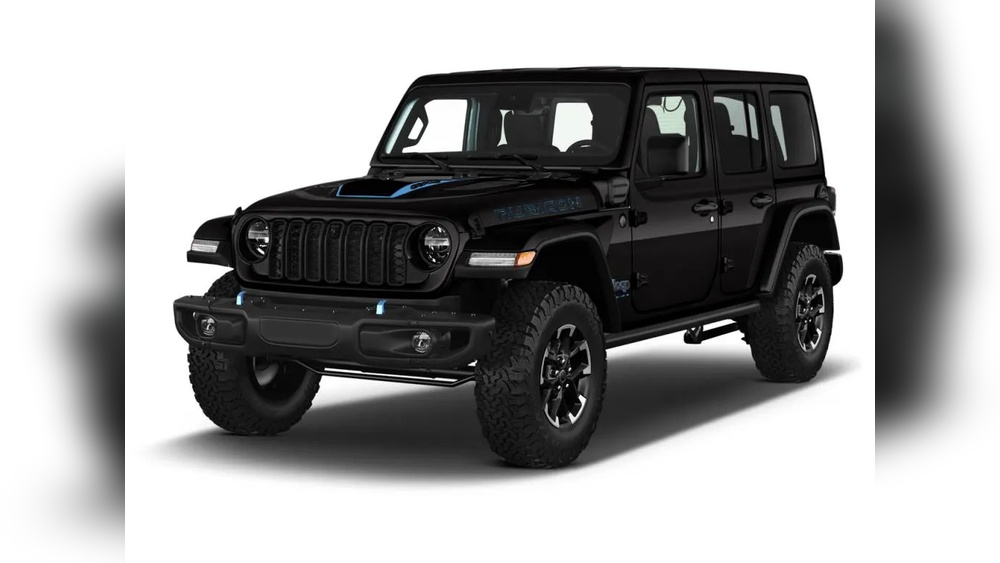
Owning a 2016 Jeep Wrangler is a dream for many adventure lovers. Its rugged design, strong off-road abilities, and classic looks make it a favorite. But even the most reliable vehicles can face issues, and the engine of the 2016 Wrangler has caused trouble for some owners. If you’re thinking of buying one, or already own this model, understanding the common engine problems can help you stay prepared and avoid unexpected costs.
Common Engine Problems In The 2016 Jeep Wrangler
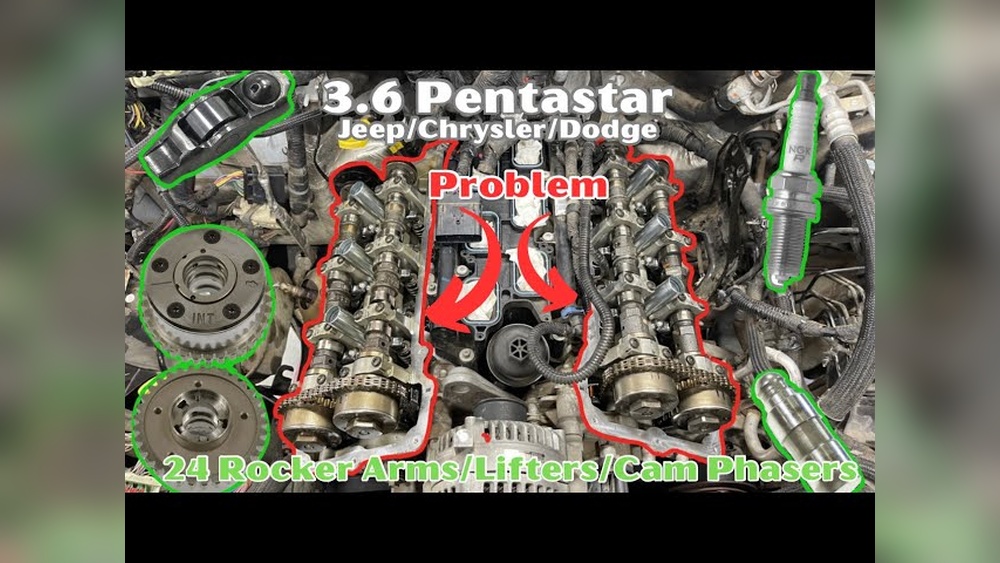
The 2016 Jeep Wrangler uses the 3.6L Pentastar V6 engine. This engine is known for its power and efficiency, but several issues have been reported over the years.
Overheating
One of the most frequent complaints is engine overheating. This usually happens due to:
- Faulty radiator or thermostat
- Low coolant levels
- Broken water pump
Overheating can lead to serious engine damage if not fixed quickly. Owners often notice the temperature gauge rising, steam under the hood, or a warning light. Regular coolant checks and replacing old parts can prevent this problem.
Oil Consumption
Some drivers report excessive oil consumption. The engine may use more oil than expected, forcing owners to refill often. Causes include:
- Worn piston rings
- Valve seal leaks
- PCV valve malfunction
If ignored, low oil levels can damage the engine. Checking oil levels monthly and fixing leaks early is key. It’s also wise to use the oil type recommended by Jeep.
Cylinder Misfire
A cylinder misfire makes the engine run rough, lose power, or shake. This is common in the 2016 Wrangler, mostly due to:
- Faulty spark plugs
- Bad ignition coils
- Fuel injector problems
Misfires can trigger the check engine light. Replacing spark plugs and coils every 60,000 miles helps prevent this. Sometimes, software updates solve fuel injector issues.
Timing Chain Issues
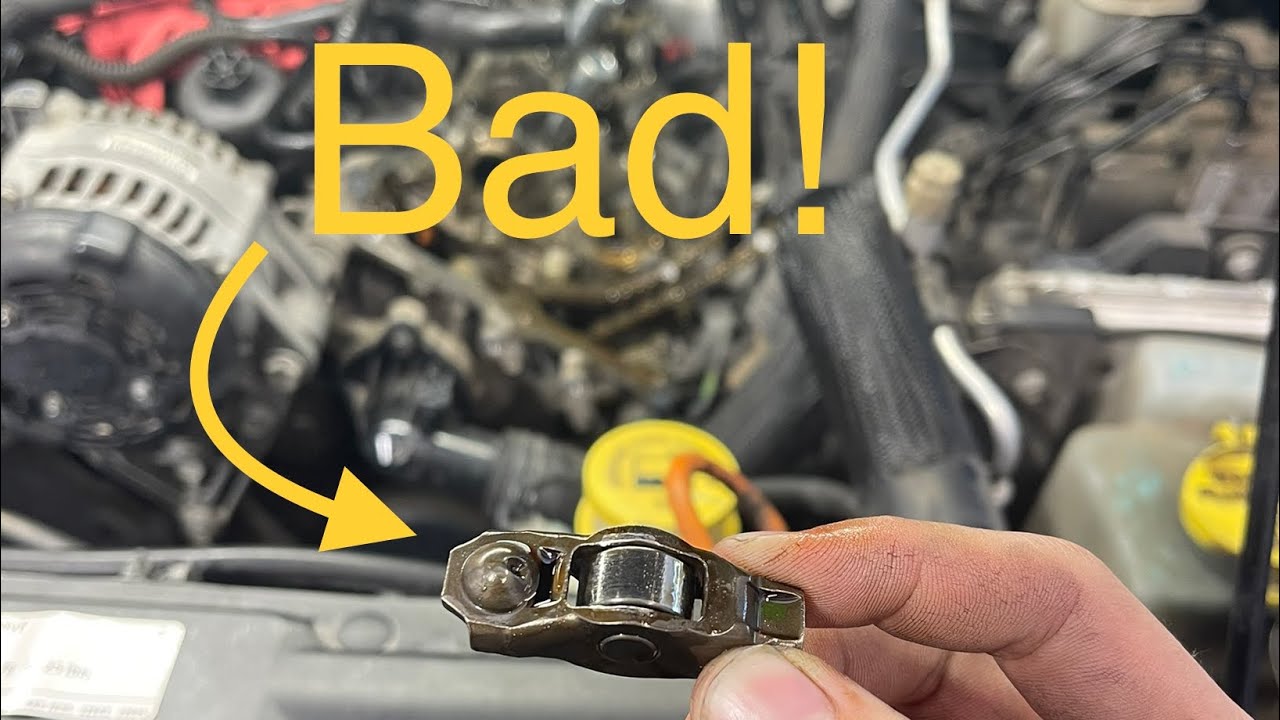
The timing chain keeps the engine running smoothly. Some Wranglers face timing chain tensioner failure, which can cause:
- Rattling noise from the engine
- Poor performance
- Engine stalling
This problem is serious, and if not fixed, can lead to engine failure. Jeep recommends replacing the chain and tensioner if you hear unusual sounds.
Engine Stalling
A few owners experience engine stalling while driving or idling. This may result from:
- Faulty crankshaft position sensor
- Dirty throttle body
- Electrical wiring issues
Stalling is dangerous, especially on highways. Cleaning the throttle body and checking sensors regularly reduces risk. Wiring inspections during regular maintenance also help.
Real-world Data And Statistics
According to Consumer Reports, about 7% of 2016 Jeep Wrangler owners reported engine-related problems in the first three years. Most complaints involved overheating, oil leaks, and misfires. The National Highway Traffic Safety Administration (NHTSA) received over 200 engine-related complaints for this model year.
Here’s a quick comparison of engine issues in recent Jeep Wranglers:
| Model Year | Reported Engine Issues (%) | Most Common Problem |
|---|---|---|
| 2014 | 5% | Oil leaks |
| 2015 | 6% | Misfires |
| 2016 | 7% | Overheating |
| 2017 | 4% | Stalling |

Repair Costs And Maintenance Tips
Fixing engine problems can be costly. Here’s a look at average repair costs for typical issues:
| Engine Problem | Average Repair Cost (USD) | Estimated Time (Hours) |
|---|---|---|
| Overheating | $400-$900 | 2-4 |
| Oil Leak | $350-$700 | 2-3 |
| Timing Chain | $900-$1,500 | 5-8 |
| Misfire | $250-$600 | 1-2 |
Some tips to reduce risks and costs:
- Change engine oil every 5,000 miles
- Use high-quality coolant
- Inspect belts, hoses, and sensors regularly
- Address warning lights immediately
- Avoid harsh driving conditions
A surprising insight: many owners skip coolant flushes, which leads to overheating. It’s recommended to flush the coolant every 60,000 miles.
Comparing The 2016 Wrangler To Other Suvs
How does the 2016 Jeep Wrangler stack up against similar SUVs? Here’s a quick comparison:
| Vehicle | Engine Reliability | Common Issues |
|---|---|---|
| 2016 Jeep Wrangler | Average | Overheating, oil leaks |
| 2016 Toyota 4Runner | Above Average | Minor oil leaks |
| 2016 Ford Explorer | Below Average | Timing chain, misfires |
The Wrangler is not the worst, but it’s not the best either. Its engine is reliable for off-road use but needs careful maintenance.

Practical Advice For Owners
If you own a 2016 Wrangler, stay ahead of engine problems by:
- Scheduling regular service checks
- Listening for new noises
- Watching for warning lights
- Checking oil and coolant levels monthly
A helpful tip: ask your mechanic to check the timing chain during every major service. Many owners miss this, leading to expensive repairs later.
Another overlooked point: using the correct oil viscosity is vital. Jeep recommends 5W-20 for the Pentastar engine. Using thicker oil can cause poor lubrication and overheating.
For more detailed information about Jeep recalls and technical service bulletins, visit the official NHTSA website.
Frequently Asked Questions
What Causes The 2016 Jeep Wrangler To Overheat?
The most common causes are a faulty radiator, broken thermostat, low coolant, or a failing water pump. Regular maintenance helps prevent overheating.
Is Engine Misfire A Serious Problem?
Yes, if ignored, misfires can damage the engine. Fixing spark plugs or ignition coils early keeps the engine healthy.
How Often Should I Check Oil Levels?
Checking oil levels every month is wise. If you drive long distances or off-road, check more often.
Are Engine Repairs Expensive For The 2016 Wrangler?
Repair costs range from $250 to $1,500, depending on the issue. Timing chain repairs are usually the most expensive.
Can I Prevent Engine Problems?
Most problems can be prevented with regular maintenance, using the right fluids, and paying attention to warning signs. Avoid skipping service intervals.
Taking care of your 2016 Jeep Wrangler engine will keep your adventures going strong. With the right knowledge and good habits, you can avoid most engine troubles and enjoy the ride for years.