Where Are Jeeps Manufactured
Jeeps are famous for their rugged style and strong performance. Many people love these vehicles for off-road adventures and daily driving. But have you ever wondered where Jeeps are actually made? Today’s Jeep models come from several factories around the world, each with its own history and specialties.
Understanding these manufacturing locations helps you appreciate the brand’s global reach and quality control.
Main Jeep Manufacturing Locations
Jeeps are produced in different countries, but most come from the United States. Some models are also built in Mexico, China, India, and a few other places. Let’s look at the main factories and what makes each important.
United States
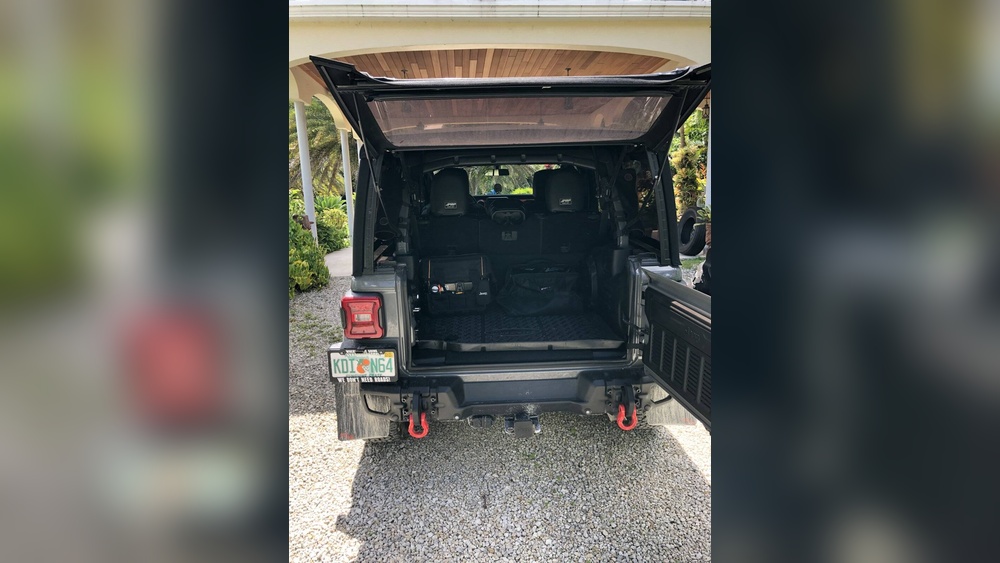
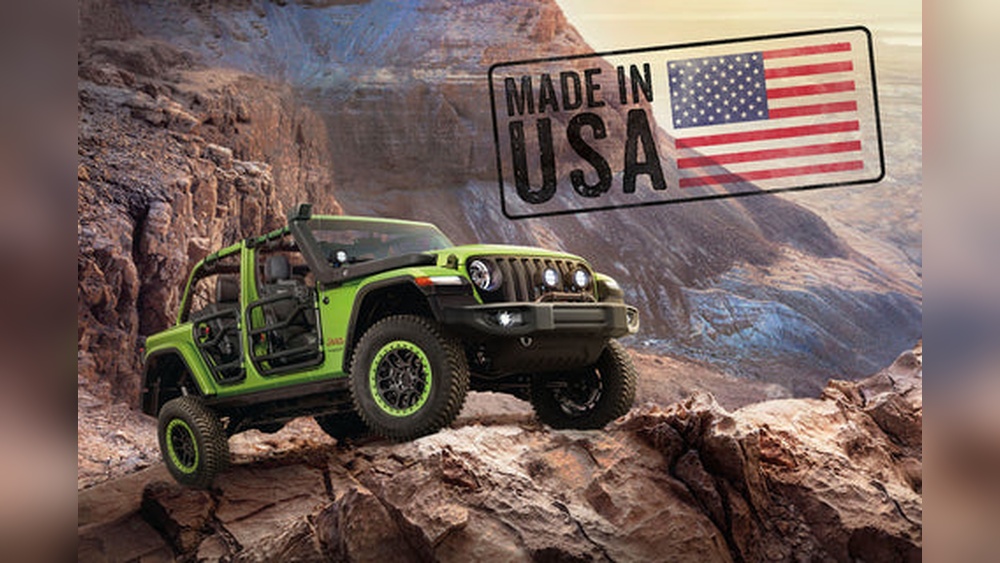
The birthplace of the Jeep is the US. The most famous facility is the Toledo Assembly Complex in Ohio. Jeep has been building vehicles here since 1941. Today, it produces popular models like the Wrangler and Gladiator.
Other key US factories include:
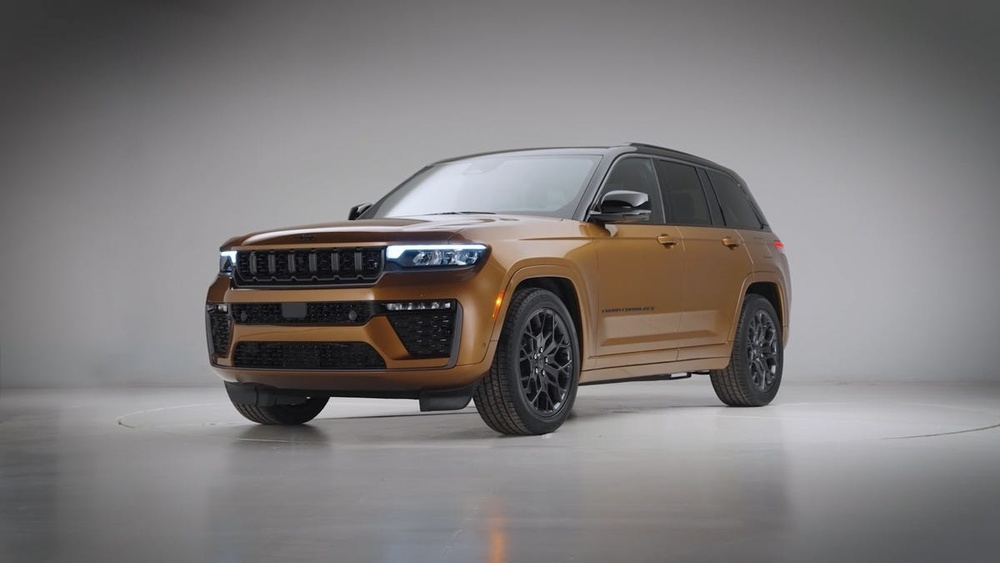
- Detroit Assembly Complex – Mack (Michigan): Builds the new Jeep Grand Cherokee.
- Belvidere Assembly Plant (Illinois): Until recently, made the Jeep Cherokee.
Jeep’s US plants are known for their high quality and strict standards. Most vehicles sold in North America are made here.
Mexico
Mexico is a major Jeep production site. The Toluca Assembly Plant makes the Jeep Compass and Jeep Renegade for both local and international markets. Mexican factories often serve Latin America and export some models to the US and Canada.
China
China became a Jeep manufacturer in the 1980s. Today, GAC FCA (Guangzhou Automobile Group and Fiat Chrysler joint venture) builds Jeeps for the Chinese market. The Changsha and Guangzhou plants produce the Jeep Cherokee, Renegade, and Compass.
India
Jeep entered India in 2017 with the Ranjangaon plant in Maharashtra. This factory makes the Compass and exports it to several countries. Indian Jeeps are built to meet local needs and strict emission standards.
Other Locations
Some Jeeps are assembled in Brazil and Italy. For example, the Jeep Renegade is made in Italy for European customers. Brazil’s Goiana plant produces the Compass and Renegade for South America.
Jeep Models And Their Manufacturing Origins
Different Jeep models are built in different factories. Here’s a look at where the main models come from.
| Model | Main Manufacturing Location | Export Markets |
|---|---|---|
| Wrangler | Toledo, Ohio (USA) | Global |
| Grand Cherokee | Detroit, Michigan (USA) | Global |
| Compass | Mexico, India, Brazil | Global |
| Renegade | Italy, Brazil, Mexico | Europe, Americas |
| Gladiator | Toledo, Ohio (USA) | Global |
Most Jeep models have more than one assembly location. This helps Jeep serve local markets better and avoid costly shipping.
Manufacturing Quality: Us Vs International Plants
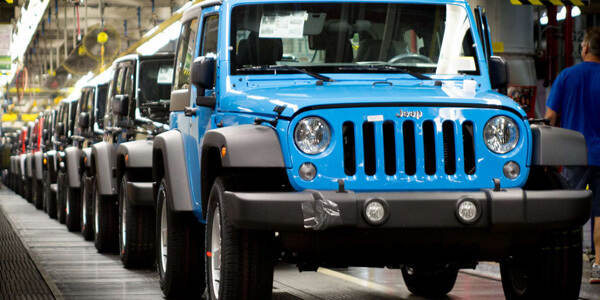
Jeeps built in the US are often seen as the “gold standard.” However, international factories follow strict guidelines set by Jeep’s parent company, Stellantis. Quality checks and technology are the same in most factories, but some differences exist.
| Location | Key Strengths | Common Challenges |
|---|---|---|
| USA | Skilled workforce, strong quality control | Higher costs, slower for some exports |
| Mexico | Efficient production, cost-effective | Lower labor costs, logistics for exports |
| India | Adaptation for local needs, affordable | Meeting global standards, supply chain |
| China | Large market, quick local delivery | Brand perception, export limitations |
| Italy/Brazil | Special models, regional focus | Limited global exports |
One non-obvious insight: US-made Jeeps sometimes have unique features not found in models from other plants. For example, the Wrangler Rubicon has options tailored to North American buyers. Another detail: International Jeeps may use different engines to meet local regulations.
Why Jeep Manufactures Globally
Jeep’s global production strategy is not just about saving money. It helps the company:
- Reach more customers quickly
- Avoid import taxes and tariffs
- Respond to local demand and preferences
Global factories also let Jeep change parts and features based on market needs. For example, Indian Jeeps have diesel engines, while US models focus on gasoline. This flexibility is key for Jeep’s success.
How Manufacturing Location Affects Buyers
Some buyers care about where their Jeep was built. US-made Jeeps often have a higher resale value in North America. In other regions, locally made Jeeps can be easier to service and repair.
If you want a specific model or feature, check the Vehicle Identification Number (VIN). The VIN shows the country of manufacture. For Jeeps, a VIN starting with “1” or “4” means it’s US-made, “3” is Mexico, “9” is Brazil, and “Z” is Italy.
The Future Of Jeep Manufacturing
Jeep is expanding its global production. The brand is investing in new factories and upgrading existing ones. Electric Jeeps and hybrid models are likely to come from different countries as demand grows.
According to Wikipedia, Jeep sells vehicles in over 100 countries, with production hubs adapting quickly to new trends.

Frequently Asked Questions
Where Are Most Jeeps Made?
Most Jeeps are made in the United States, especially models like the Wrangler and Grand Cherokee. Other models are built in Mexico, India, China, Italy, and Brazil.
Can I Tell Where My Jeep Was Manufactured?
Yes. Look at your Jeep’s VIN (Vehicle Identification Number). The first letter or number shows the country of manufacture.
Are Us-made Jeeps Better Than International Models?
US-made Jeeps have a reputation for high quality, but international models meet strict standards too. Some features and engines may differ based on the factory.
Why Does Jeep Build Vehicles In Different Countries?
Jeep builds vehicles globally to serve local markets, avoid tariffs, and adapt to regional needs. It also makes delivery faster and reduces costs.
Which Jeep Models Are Made Outside The Us?
Models like the Compass, Renegade, and some Cherokees are made in Mexico, India, Brazil, Italy, and China. These factories focus on regional demand and export.
Jeep’s manufacturing story is unique and continues to grow. No matter where your Jeep comes from, it carries the same spirit of adventure and toughness. If you want the best features or resale value, knowing the origin can help you choose wisely.