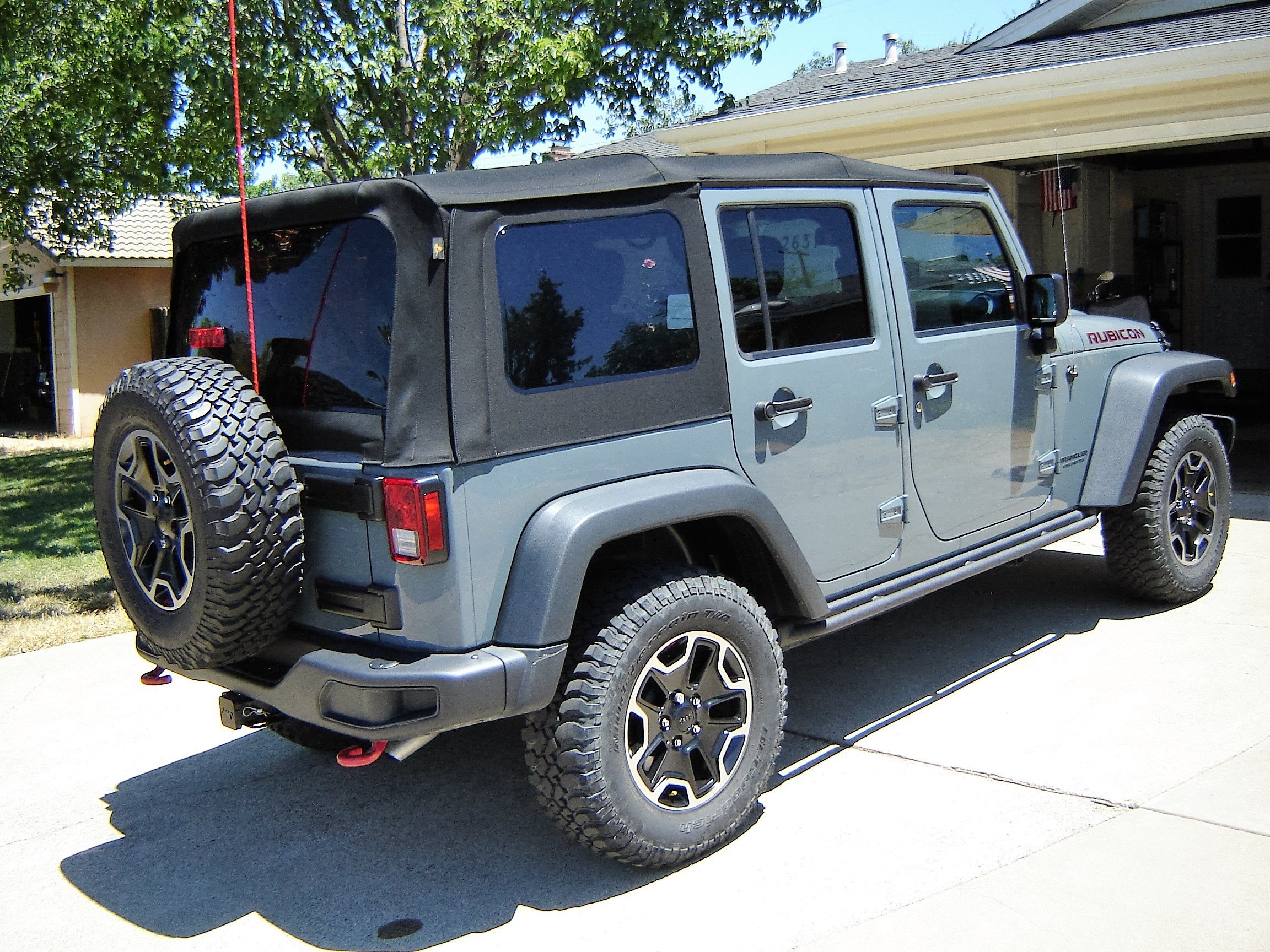
Many Jeep owners love the adventurous look and feel of a soft top Jeep. But one question often comes up: can you safely drive a soft top Jeep through a car wash? It seems simple, but the answer depends on several factors. If you own a Jeep Wrangler or another model with a fabric roof, understanding the risks, safe practices, and alternatives will help you keep your vehicle clean without damage.
Can A Soft Top Jeep Go Through A Car Wash?
Jeep soft tops are designed for weather protection, but they’re not as tough as hard tops. Most automatic car washes use high-pressure water jets, spinning brushes, and strong chemicals. These can challenge a soft top’s durability.
Factory soft tops are usually made from vinyl or canvas. They’re waterproof and can handle rain, but car washes are more intense. The real concern is how the fabric reacts to mechanical brushes and powerful sprays.
Here’s a quick comparison:
| Car Wash Type | Soft Top Safety | Common Issues |
|---|---|---|
| Touchless (no brushes) | Generally Safe | Water leaks, mild chemical stains |
| Brush (spinning pads) | Risky | Scratches, fabric tears, zipper damage |
| Hand Wash | Safest | None if done properly |
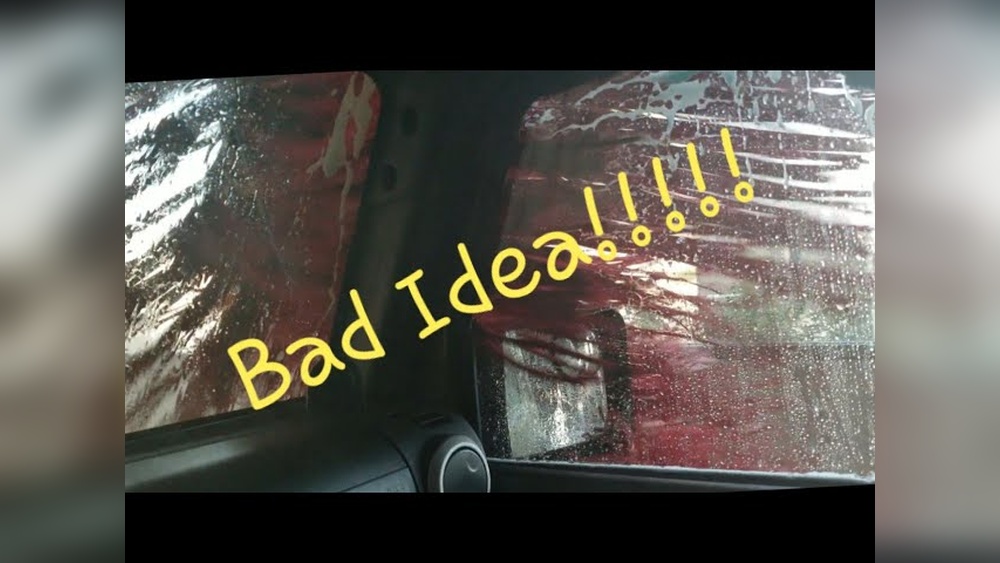
Touchless car washes are usually better for soft tops, but even they can cause problems. Brush car washes can damage the fabric, rub off protective coatings, and sometimes loosen seams.
Risks Of Automatic Car Washes
Driving your Jeep through an automatic car wash may seem convenient. However, several risks are unique to soft top models:
- Water Leaks: High-pressure jets can force water through seams and zippers, leading to leaks inside the cabin.
- Scratches and Tears: Spinning brushes can scratch windows and tear fabric. Jeep soft tops are not designed for rough mechanical contact.
- Chemical Damage: Strong detergents used in car washes can fade color, weaken fabric, or damage plastic windows.
- Zipper and Velcro Issues: Brushes can snag zippers or Velcro, causing them to come loose or break.
One study found that 17% of soft top Jeep owners experienced leaks after using automatic car washes with brushes. Damage to windows and zippers was reported by 10% in the same study.
Best Ways To Clean A Soft Top Jeep
Keeping your Jeep clean is important, but you want to protect your investment. Here are the safest cleaning options:
Touchless Car Wash
If you must use a car wash, choose touchless options. These use only water and soap, with no brushes. Before entering, check that all windows, seams, and zippers are tightly closed.
Hand Wash
Hand washing is always the safest. Use gentle soap designed for convertible tops, a soft sponge, and lots of water. Avoid rough brushes and harsh chemicals.
Steps for Hand Washing:
- Rinse the soft top with water to remove loose dirt.
- Apply a mild soap with a soft sponge.
- Gently scrub windows and fabric.
- Rinse thoroughly with water.
- Dry with a microfiber towel.
Many Jeep experts recommend washing your soft top every 2-3 weeks to prevent buildup of dirt and stains.
Protective Products
Special sprays and sealants can help keep your soft top waterproof and clean. Look for products labeled as “convertible top protectant” or “vinyl/canvas cleaner. ” Apply these after washing, following instructions.
Common Mistakes To Avoid
Cleaning a soft top Jeep isn’t hard, but some mistakes can lead to costly repairs.
- Using automatic brush car washes
- Cleaning with bleach or harsh chemicals
- Scrubbing with rough sponges or brushes
- Leaving soap residue on the fabric
- Forgetting to close zippers and windows before washing
One non-obvious tip: avoid washing your soft top in direct sunlight. Sun can dry soap too quickly, leaving spots and stains.
Real-world Examples
Jeep forums are full of stories about soft tops damaged by car washes. For example, a Jeep owner in Texas reported that after one visit to a brush-style car wash, their rear window had deep scratches and the seams started leaking.
Another owner used a touchless car wash regularly, but noticed over time that the fabric faded. This happened because strong chemicals were used, which weakened the waterproof coating.
Here’s a simple comparison between soft top and hard top performance in car washes:
| Feature | Soft Top | Hard Top |
|---|---|---|
| Brush Car Wash Safety | Poor | Good |
| Touchless Car Wash Safety | Fair | Excellent |
| Hand Wash Needed | Often | Sometimes |
| Water Leak Risk | Higher | Low |
How To Minimize Damage
Protecting your soft top starts with the right cleaning habits.
- Check for loose seams before any wash.
- Use only mild, Jeep-approved cleaners.
- Apply protectant after every wash.
- Avoid mechanical brushes and high-pressure jets.
If you notice leaks or damage, fix them quickly. Small repairs can prevent bigger problems later.
Frequently Asked Questions
Can I Use A Pressure Washer On My Soft Top Jeep?
It’s not recommended. High-pressure washers can force water through seams and damage fabric. If you use one, keep the pressure low and avoid direct contact with zippers and windows.
Will Car Wash Chemicals Harm My Soft Top?
Yes, strong chemicals can weaken the waterproof layer and fade color. Always choose soaps made for convertible tops. Hand washing is safest.
What About Winter Cleaning?
Winter brings salt, mud, and snow. Hand washing is best during cold months. If you use a touchless car wash, make sure the fabric is dry after to prevent freezing.
How Often Should I Clean My Soft Top?
Experts suggest cleaning every 2-3 weeks. If you drive off-road or park outdoors, clean more often. Regular cleaning keeps the top waterproof and prevents stains.
Can I Repair Leaks After A Car Wash?
Most leaks can be fixed. Use a fabric sealant or patch kit for small holes. For bigger leaks, visit a Jeep dealer or upholstery shop.
Final Thoughts
A soft top Jeep can go through a car wash, but it’s not always safe. Touchless car washes are better, but hand washing is best. Avoid mechanical brushes and strong chemicals. Protect your investment by cleaning your Jeep gently and regularly. With the right approach, your soft top will stay looking great for years. For more details on Jeep soft tops, visit Wikipedia.