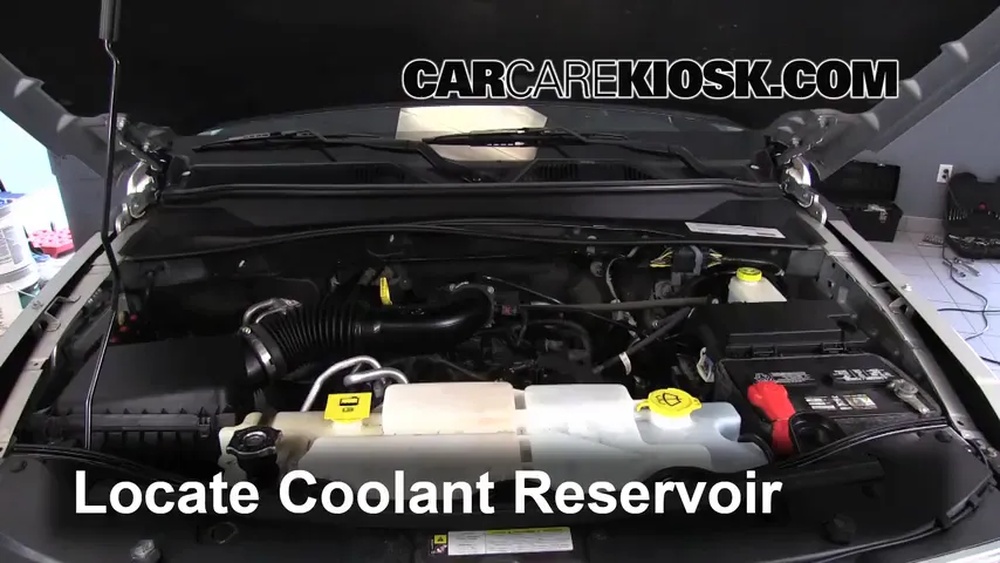
The 2002 Jeep Grand Cherokee is a popular SUV, known for its comfort, durability, and reliable performance. One important part that keeps the cabin comfortable during hot days is the air conditioner compressor. Many owners face problems with this part as their vehicles age, so understanding how the compressor works, what signs to look for, and how to maintain or replace it can save you time and money. Whether you’re a car enthusiast or just want to keep your Grand Cherokee cool, this guide covers everything you need to know.
What Does The Air Conditioner Compressor Do?
The air conditioner compressor is the heart of the AC system. It takes in refrigerant gas and compresses it, turning it into a high-pressure liquid. This process lets the refrigerant absorb heat from the cabin and release it outside, making the air inside your Jeep cool. Without a working compressor, your AC won’t produce cold air.
Common Problems With The 2002 Jeep Grand Cherokee Ac Compressor
Over time, the AC compressor can develop issues. Here are some frequent problems owners face:
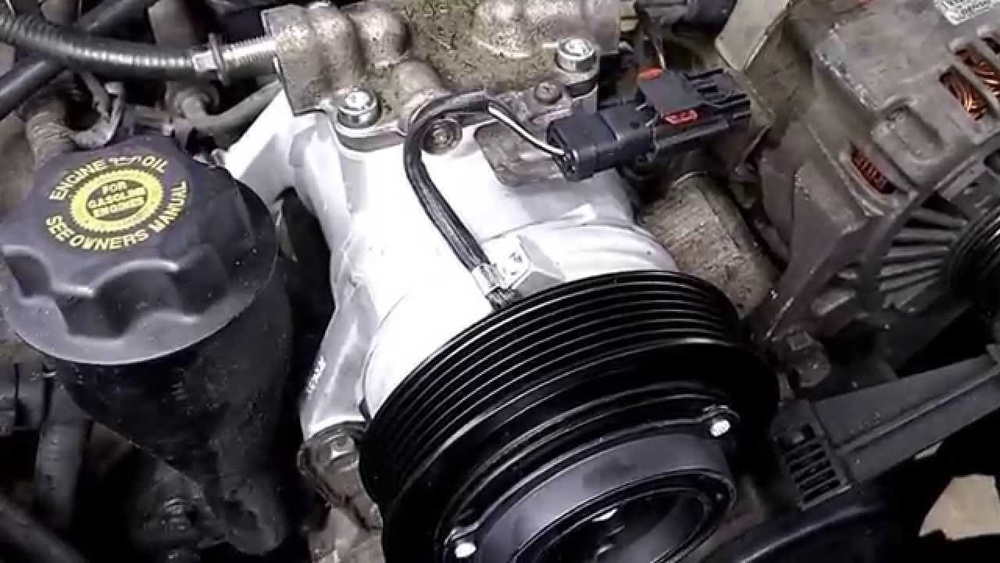
- Loud noises: If you hear grinding or squealing, the compressor may have worn bearings or internal damage.
- No cold air: The most obvious sign. If the compressor isn’t working, the air stays warm.
- Leaking refrigerant: Visible leaks near the compressor can mean a seal is broken.
- Clutch failure: The compressor clutch engages the unit. If it fails, the compressor won’t turn on.
- Electrical issues: Faulty wiring or connectors can stop the compressor from running.
Some problems are easy to spot, but others need a professional diagnosis.

Diagnosing Compressor Issues
Before replacing your AC compressor, check these steps:
- Turn on the AC and listen for unusual sounds.
- Check if the clutch is engaging when the AC is on.
- Inspect for refrigerant leaks around the compressor.
- Use an AC pressure gauge to check system pressure.
If you’re unsure, a mechanic can use special tools to test the compressor and other AC parts.
Replacement And Repair: What You Need To Know
Replacing the 2002 Jeep Grand Cherokee AC compressor is a job for someone comfortable with car repairs. Here’s a quick overview:
- Disconnect the battery: Safety first.
- Remove refrigerant: A certified technician should evacuate the system.
- Unbolt the compressor: Remove mounting bolts and disconnect hoses and wires.
- Install the new compressor: Secure with bolts, reconnect hoses and wires.
- Add refrigerant: Recharge the system with the correct amount.
- Test the AC: Make sure it blows cold air and runs smoothly.
Tip: Always replace the receiver/drier or accumulator when changing the compressor. This prevents moisture and debris from damaging the new unit.
How Much Does It Cost?
Costs can vary. Here’s a comparison of typical expenses:
| Repair Type | Average Cost (USD) | Time Required |
|---|---|---|
| Compressor Replacement | $450–$800 | 2–3 hours |
| Clutch Repair | $200–$350 | 1–2 hours |
| Leak Fix & Recharge | $150–$300 | 1 hour |
Labor rates and parts prices can be higher at dealerships. Independent shops may offer better deals.
Oem Vs Aftermarket Compressors
You’ll find two main types of compressors:
| Type | Pros | Cons |
|---|---|---|
| OEM (Original Equipment) | Exact fit, reliable | More expensive |
| Aftermarket | Cheaper, wider selection | Varied quality, may not fit perfectly |
OEM compressors usually cost more but last longer. Aftermarket compressors can save money but may need extra adjustments.
Tips For Extending Compressor Life
Most owners overlook these simple tips:
- Run the AC regularly: Even in winter, running the AC once a month keeps seals lubricated.
- Change cabin air filter: A clogged filter puts extra strain on the system.
- Check for leaks early: Small leaks can become big problems if ignored.
- Avoid overcharging refrigerant: Too much refrigerant can damage the compressor.
These steps help prevent expensive repairs and keep your AC running smoothly.
Real-world Example: Owner Experience
A Jeep owner noticed their Grand Cherokee blowing warm air, with a faint clicking noise under the hood. After checking the compressor clutch and finding it wasn’t engaging, they replaced the clutch. The AC worked again, saving hundreds compared to a full compressor replacement. This example shows that sometimes, fixing a single part is all you need.
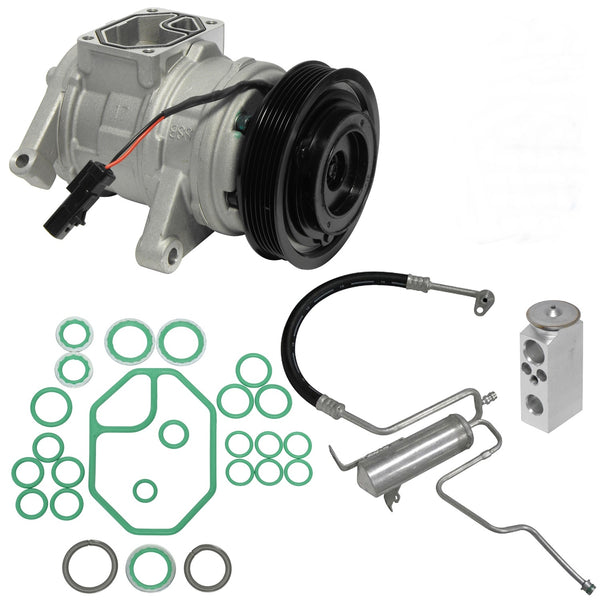
Data: Compressor Performance Over Time
Studies show that compressors in SUVs like the Grand Cherokee last about 8–12 years under normal use. Frequent hot climates or heavy AC use can reduce lifespan to 6–8 years.
| Vehicle Age | Compressor Failure Rate (%) |
|---|---|
| 0–5 years | 5% |
| 6–10 years | 20% |
| 11–15 years | 35% |
High mileage and lack of maintenance increase the chance of compressor problems.
Where To Buy Quality Compressors
You can find 2002 Jeep Grand Cherokee AC compressors at auto parts stores, online marketplaces, and dealerships. Always check compatibility, warranty, and reviews. For trusted info, visit NAPA Auto Parts.

Frequently Asked Questions
How Do I Know If My Compressor Has Failed?
If your AC blows warm air, the compressor makes loud noises, or the clutch doesn’t engage, it’s likely failed. A mechanic can confirm with pressure tests.
Can I Drive With A Broken Compressor?
Yes, but your AC won’t work. In rare cases, a seized compressor can damage the serpentine belt and cause engine problems.
Is It Worth Repairing Or Should I Replace?
If the compressor has internal damage or repeated leaks, replacement is better. If only the clutch is broken, repair may be enough.
What Refrigerant Does The 2002 Model Use?
The 2002 Grand Cherokee uses R134a refrigerant. Never mix with other types.
How Long Does A New Compressor Last?
A quality compressor should last 8–12 years if installed correctly and the system is maintained.
A healthy air conditioner compressor keeps your Jeep Grand Cherokee cool and comfortable. Understanding how it works, spotting signs of trouble, and choosing the right replacement can help you avoid costly repairs and keep your ride enjoyable for years.