Locating the coolant temperature sensor on a Jeep 36 engine can save you time, money, and headaches. Many Jeep owners struggle to find the exact spot, especially with different models and engine layouts. Knowing where each sensor sits helps with troubleshooting overheating, engine performance, and even fuel efficiency. This guide covers all 36 coolant temp sensor locations you may encounter, so you won’t miss a thing. Whether you’re a DIY mechanic or just curious, this article gives clear, practical info for every Jeep 36 setup.
1. Front Cylinder Head
The front cylinder head is a common place for the coolant temp sensor. It’s usually near the intake manifold, easy to reach from above.
2. Rear Cylinder Head
Some Jeep 36 engines put the sensor on the rear cylinder head, close to the firewall. This location makes it a bit harder to access.
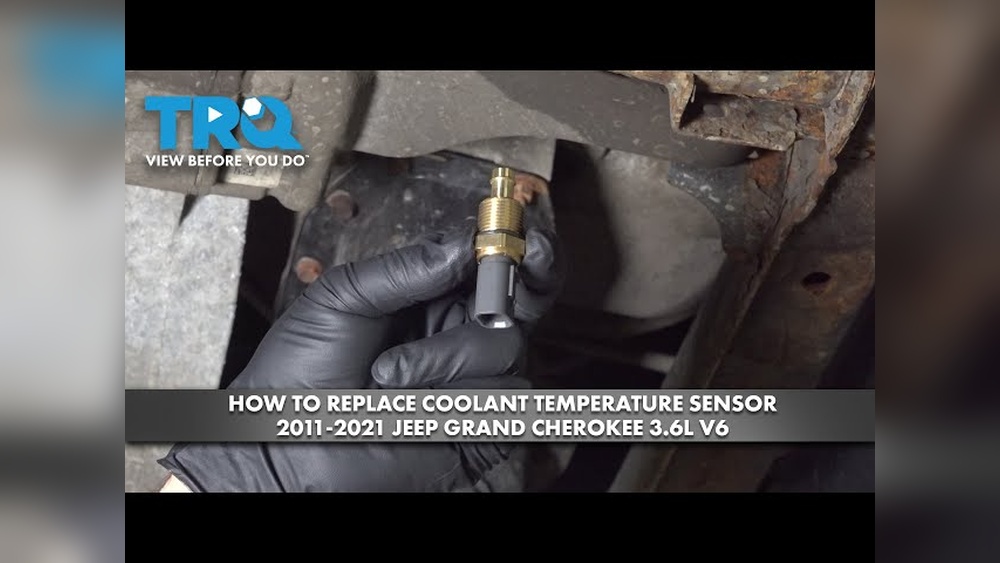
3. Upper Radiator Hose
Look for the sensor near the upper radiator hose connection. Mechanics often check this spot first, since it’s simple to spot.
4. Lower Radiator Hose
The lower radiator hose sensor location is less common but found in certain Jeep models. It’s helpful for monitoring coolant return flow.
5. Thermostat Housing
Many Jeeps place the sensor directly on the thermostat housing. This gives accurate readings as coolant enters the engine.
6. Intake Manifold
The intake manifold often houses the sensor, letting it measure temperature close to the air/fuel mixture.
7. Water Outlet
Some models use the water outlet as the sensor mount. This spot is usually on the engine’s top side.
8. Side Of Engine Block
The engine block side is a durable spot, protected from most engine heat. It’s less likely to be damaged by tools.

9. Rear Of Engine Block
Check the rear engine block for sensors in older Jeep 36 versions. Access here requires patience and sometimes removing parts.
10. Under The Intake Plenum
A few designs hide the sensor under the intake plenum. Removing the plenum is necessary for access.
11. Behind Power Steering Pump
The sensor can sit behind the power steering pump. This spot is tricky if you don’t know where to look.
12. Near Oil Filter
Some models have the sensor near the oil filter. Be careful, as oil leaks can damage the wiring.
13. Heater Hose Fitting
The heater hose fitting is an uncommon but possible location. This helps monitor coolant going to the cabin heater.
14. Water Pump
The water pump is a practical spot, especially for real-time temperature readings.
15. Engine Coolant Pipe
Some Jeeps use the coolant pipe for sensor placement. This location is often overlooked by beginners.
16. Cylinder Head Coolant Passage
Look for the sensor inside the cylinder head coolant passage. It’s hidden but gives reliable readings.
17. Egr Valve Area
The EGR valve area can house the sensor, helping with emissions control.
18. Underneath Engine
A rare location is underneath the engine. You’ll need to lift the Jeep to check this spot.
19. Transmission Bellhousing
On some automatic models, the sensor sits near the transmission bellhousing. It helps with engine/transmission coordination.
20. Radiator Core Support
The radiator core support offers easy access but is exposed to road debris.
21. Near Battery Tray
Sensors near the battery tray are rare but possible in aftermarket setups.
22. Firewall Side
Check the firewall side for sensors, especially in models with tight engine bays.
23. Air Conditioning Compressor
The AC compressor area is surprising but can host the sensor for some Jeep 36 setups.
24. Alternator Mount
The alternator mount is used in certain models, offering quick access.

25. Engine Control Module (ecm) Bracket
Some sensors are mounted on the ECM bracket. This helps the computer get direct readings.
26. Under Engine Cover
Jeep 36 engines with plastic covers may hide the sensor under the engine cover.
27. Timing Chain Area
The timing chain area can house the sensor, mainly for timing adjustments.
28. Expansion Tank
The expansion tank location is easy to check, especially during coolant refills.
29. Battery Ground Point
A few setups use the battery ground point to minimize electrical interference.
30. Fuse Box Area
The fuse box area may have a sensor for monitoring coolant near electronics.
31. Engine Mount Bracket
Look for sensors attached to the engine mount bracket. This is a sturdy but unusual spot.
32. Fuel Rail
The fuel rail location is rare but used in some performance models.

33. Underneath Air Intake Duct
Sensors under the air intake duct are hidden but offer fast temperature readings for the intake.
34. Near Throttle Body
The throttle body area helps monitor coolant temperature for efficient air flow.
35. Bulkhead Connector
Some Jeeps use the bulkhead connector for sensor placement, especially in custom builds.
36. Under Dash Panel
The under dash panel location is mostly for models with digital coolant temp displays.
Here’s a quick comparison of sensor accessibility in three common spots:
| Location | Ease of Access | Risk of Damage |
|---|---|---|
| Thermostat Housing | Easy | Low |
| Under Intake Plenum | Difficult | Medium |
| Rear Cylinder Head | Hard | High |
If you’re unsure which location matches your Jeep 36, check your owner’s manual or use a VIN decoder. Don’t rely only on visual inspection; some sensors are hidden and require removing covers or hoses.
Here’s a quick guide comparing Jeep 36 sensor locations by engine year:
| Year Range | Common Sensor Location | Special Tool Needed? |
|---|---|---|
| 1990-1995 | Side of Engine Block | No |
| 1996-2005 | Thermostat Housing | Yes |
| 2006+ | Intake Manifold | No |
Many beginners forget to disconnect the battery before working on sensors. This can cause short circuits. Also, don’t over-tighten the sensor—use a torque wrench if possible.
If you need more details on Jeep 36 engine layouts, check Jeep Official Site for diagrams and part numbers.
Frequently Asked Questions
Where Is The Most Common Coolant Temp Sensor Location On Jeep 36?
The thermostat housing is the most common spot. It’s easy to reach and gives accurate temperature readings.
Can I Use A Universal Sensor For Jeep 36 Engines?
It’s best to use OEM sensors. Universal sensors may not fit properly or give accurate data.
How Do I Know If My Coolant Temp Sensor Is Faulty?
Watch for engine overheating, poor fuel economy, or dashboard warning lights. Use an OBD-II scanner to check for error codes.
Is It Safe To Drive With A Bad Coolant Temp Sensor?
No. A faulty sensor can cause engine overheating or poor performance. Fix it as soon as possible.
Do I Need Special Tools To Replace The Sensor?
Most locations need only basic tools. For hard-to-reach spots, a socket extension or torque wrench helps.
Finding the right coolant temp sensor location saves time and avoids mistakes. With these 36 positions, you’re ready for any Jeep 36 engine. Always check wiring and connections after replacement, and remember: patience prevents costly errors.