Jeep is a name almost everyone recognizes. You see it on rugged vehicles, in movies about war, and on city streets. But have you ever wondered where the name “Jeep” came from? The story behind this famous brand is more complex and interesting than most people think.
Let’s explore the origins, myths, and facts about how Jeep got its name.
The Roots Of Jeep: Early Military Needs
During the late 1930s, the world was changing fast. The U.S. Army needed a small, strong vehicle for soldiers. They wanted something that could handle mud, sand, snow, and rocky ground. In 1940, the Army sent out a request to car companies for a new kind of vehicle. The requirements were strict: it had to be light (about 1,300 pounds), carry four men, and move over almost any terrain.
Only two companies responded with working models: Willys-Overland and American Bantam. Soon, Ford joined the competition. These companies built the first versions of what would later become the Jeep.
Where Did The Name “jeep” Come From?
Many people believe Jeep is an abbreviation or acronym. But the real story is a mix of fact, legend, and even a cartoon character.
The Slang Theory
Before the vehicle, the word “jeep” was already used in the U.S. Army. Soldiers used it as slang for new recruits or untested vehicles and equipment. It simply meant something fresh or unknown.
The Popeye Connection
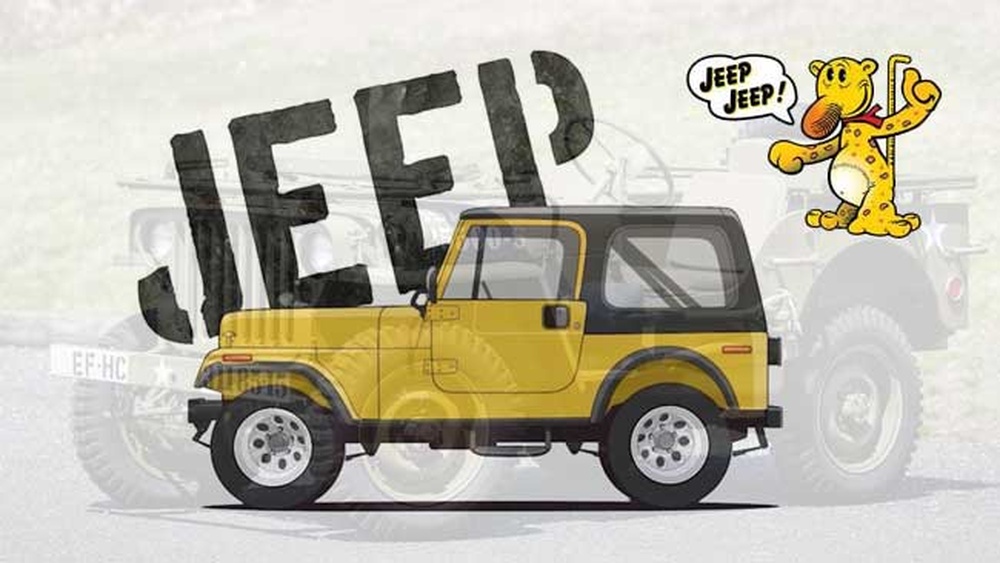
In 1936, a new character appeared in the popular comic strip “Popeye.” This character was a magical animal called Eugene the Jeep. Eugene could do anything—walk through walls, climb trees, and solve problems. Some say soldiers started calling the new military vehicle a “jeep” because, like Eugene, it could go anywhere and do almost anything.
The Phonetic Theory
Another explanation points to the military’s habit of shortening names. The vehicle was officially called “G.P.,” meaning General Purpose or Government Purpose vehicle. When said quickly, “G.P.” sounds like “jeep.” This idea became more popular after World War II, but not all historians agree.

How Jeep Became An Official Name
The nickname “jeep” caught on quickly among soldiers, but it took time for the public and the company to use it officially.
In February 1941, Willys-Overland took one of their vehicles to Washington, D.C., for a demonstration. A journalist named Katherine Hillyer from the Washington Daily News watched as a soldier drove the vehicle up the Capitol steps. She asked, “What do you call that thing?” The soldier replied, “It’s a jeep.” The newspaper printed the story, and the name stuck.
Willys-Overland saw the publicity and started using “Jeep” in their ads. By 1943, Willys had trademarked the name.
Comparing Early Jeep Models
Here is a look at the main companies and their early Jeep prototypes:
| Company | Model Name | Year | Notable Feature |
|---|---|---|---|
| American Bantam | Bantam Reconnaissance Car | 1940 | First prototype built for Army |
| Willys-Overland | Willys Quad/MB | 1941 | Strong engine, became standard |
| Ford | GP/GPW | 1941 | Mass production capability |
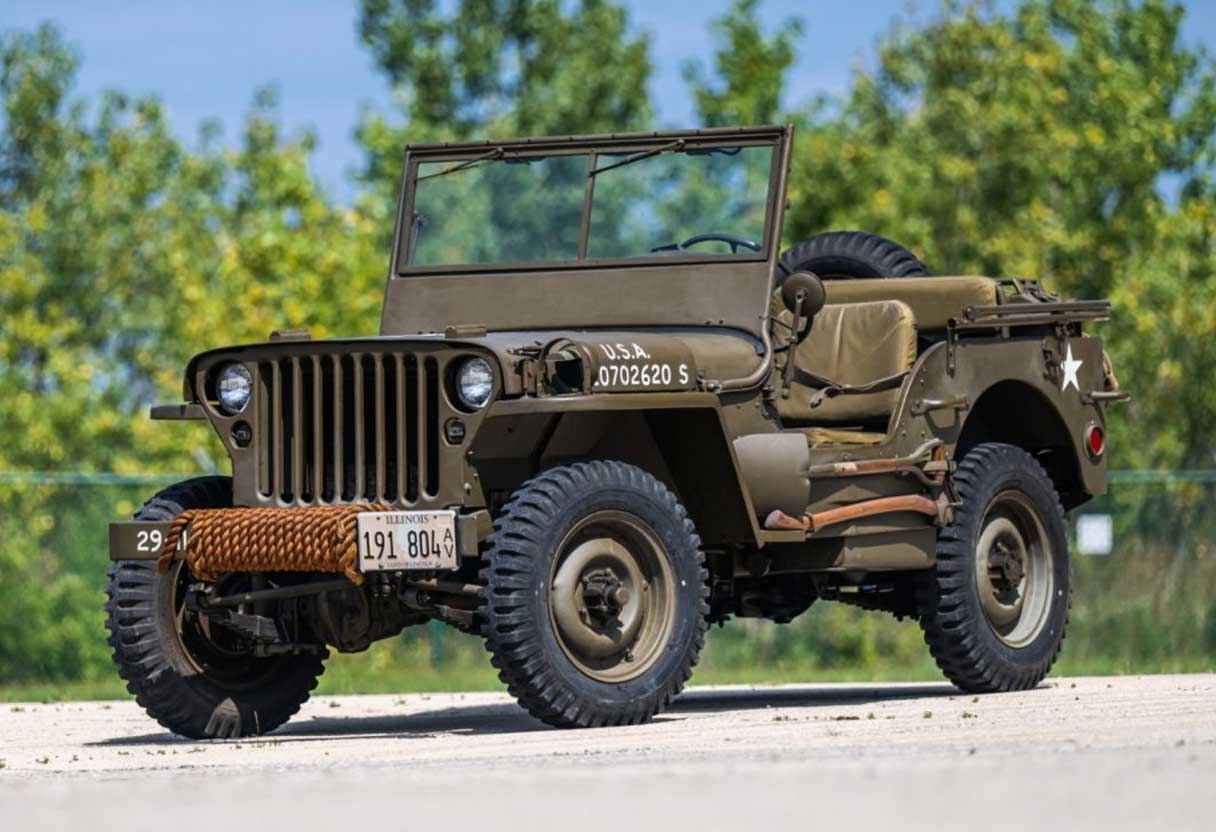
Each prototype had unique strengths, but Willys’ design became the blueprint for most Jeeps used in World War II.
What Made The Jeep Unique?
Jeep vehicles stood out for their:
- Four-wheel drive: Allowed them to go off-road easily.
- Simple design: Easy to repair and modify in the field.
- Lightweight frame: Soldiers could lift them if stuck.
- Versatility: Used for carrying people, weapons, and supplies.
Let’s compare the Jeep’s off-road ability to other military vehicles of the time:
| Vehicle | Drive System | Weight (lbs) | Max Speed (mph) |
|---|---|---|---|
| Jeep Willys MB | 4×4 | 2,450 | 65 |
| Dodge WC Series | 4×4 | 5,250 | 54 |
| Ford GPW | 4×4 | 2,450 | 65 |
Jeep’s lower weight and strong 4×4 system made it the best for tough terrain.
The Power Of The Jeep Brand
After the war, Jeep’s reputation grew. Soldiers loved it, and civilians wanted one, too. Willys-Overland quickly started making civilian versions. The word “jeep” became so famous that it now means any small, tough off-road vehicle.
One detail many beginners miss: Willys had to fight in court to own the Jeep name. Other companies, like Ford, also wanted to use it. Willys won the legal battle, securing Jeep’s place as a true American brand.
Another little-known fact is that the Jeep’s design influenced vehicles all over the world. From British Land Rovers to Russian GAZ cars, the Jeep set the standard.
Myths And Misunderstandings
Some people still believe Jeep stands for “Just Enough Essential Parts. ” This is not true—it’s a joke that appeared much later. Others think Ford invented the Jeep, but while Ford built many Jeeps for the Army, it was Willys that created the final, iconic design.
If you want to dig even deeper into Jeep’s history, you can find more details at the official Jeep Wikipedia page.
Frequently Asked Questions
Why Was The Jeep So Important In World War Ii?
The Jeep was vital because it was reliable, easy to fix, and could handle any terrain. It helped transport troops, supplies, and even pull small cannons. Its flexibility made military operations faster and safer.
Did Ford Invent The Jeep?
No, Ford helped produce the Jeep, but Willys-Overland designed and developed the main version used in the war. Ford’s role was to build Jeeps using Willys’ design to meet the huge demand.
Is Jeep An Acronym?
Most experts say Jeep is not an acronym. It’s likely a nickname that came from slang or the way “G. P. ” (General Purpose) sounded when spoken quickly.
Was There Really A Cartoon Character Named Jeep?
Yes, Eugene the Jeep was a magical animal in the “Popeye” comic strip. Many believe the vehicle got its name because Eugene could “go anywhere,” much like the vehicle.
Who Owns Jeep Today?
Stellantis, a global car company, owns Jeep now. The brand is still known for making strong, off-road vehicles.
Jeep’s name is more than just a label—it’s a symbol of strength and adventure. Its story mixes military needs, clever marketing, and a touch of pop culture. That’s what makes the Jeep legend so powerful even today.