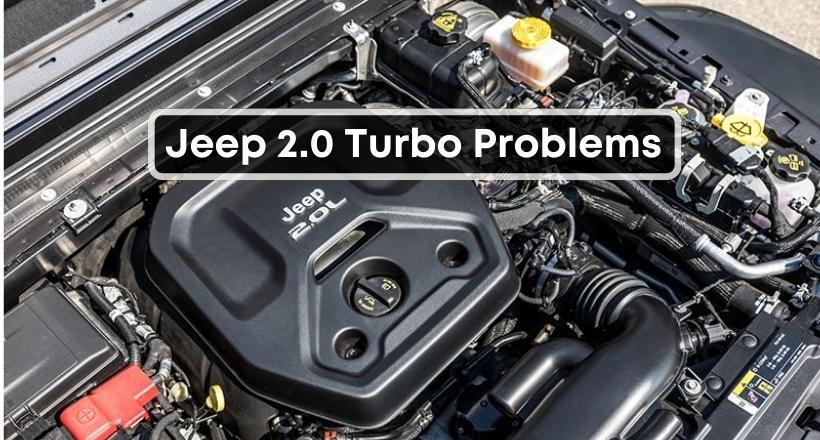
If you own a Jeep with the 2.0 Turbo engine, you probably enjoy its strong performance and efficient power. But like any advanced motor, this engine can have problems that need smart troubleshooting. Whether you are dealing with warning lights, odd noises, or loss of power, knowing how to spot and fix issues early can save money and keep your Jeep reliable. This guide explains the most common issues, practical fixes, and key tips that many owners overlook.
Common Jeep 2.0 Turbo Problems
Several issues are typical with the Jeep 2.0 Turbo engine. These problems can affect both daily driving and long trips. Here are the most frequent ones:
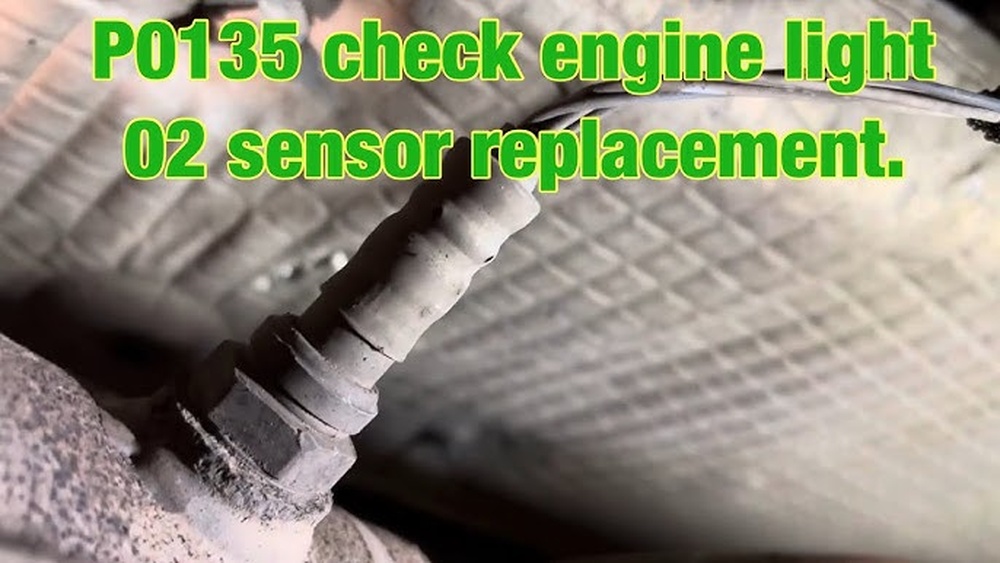
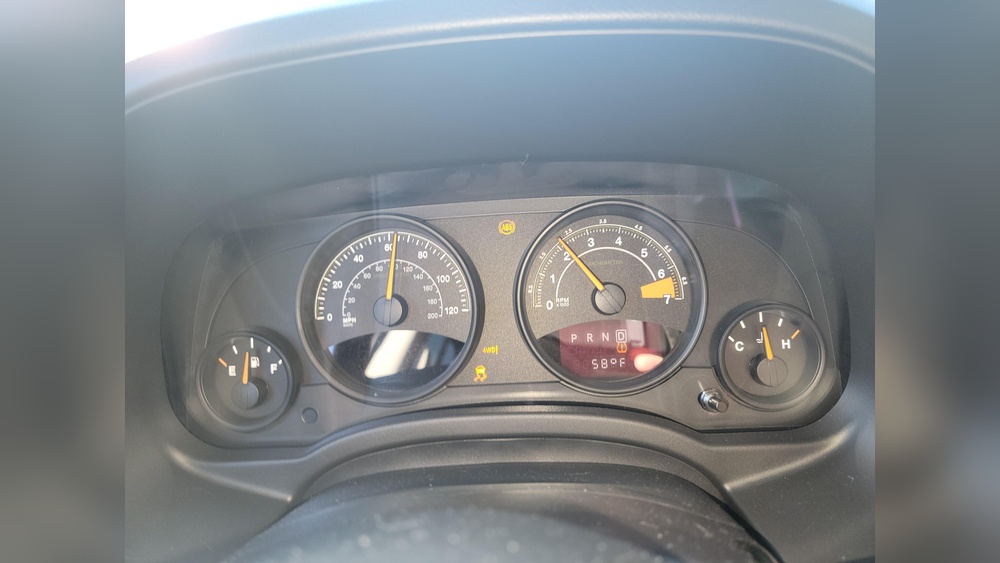
- Check Engine Light – Often caused by sensor problems, fuel issues, or turbo faults.
- Loss of Power – May be due to boost leaks, clogged filters, or faulty spark plugs.
- Turbo Lag or Failure – Sometimes from oil starvation, damaged hoses, or worn bearings.
- Cooling System Faults – Overheating can result from coolant leaks or a bad thermostat.
- Unusual Engine Noises – Rattling or whistling may signal loose parts or turbo trouble.
Diagnosing Engine Performance Issues
When your Jeep feels sluggish or the engine light comes on, start with these steps:
1. Scan For Codes
Use an OBD-II scanner to read error codes. Most auto parts stores offer this service free. Codes like P0299 (underboost) often mean turbo or sensor trouble.
2. Inspect Air Intake
Look for cracks, loose clamps, or blocked air filters. Even a small leak can reduce turbo pressure and cause power loss.
3. Check Spark Plugs
Worn plugs can create misfires and rough idling. Jeep recommends replacing them every 30,000 miles for the 2. 0 Turbo.
4. Evaluate Turbo Connections
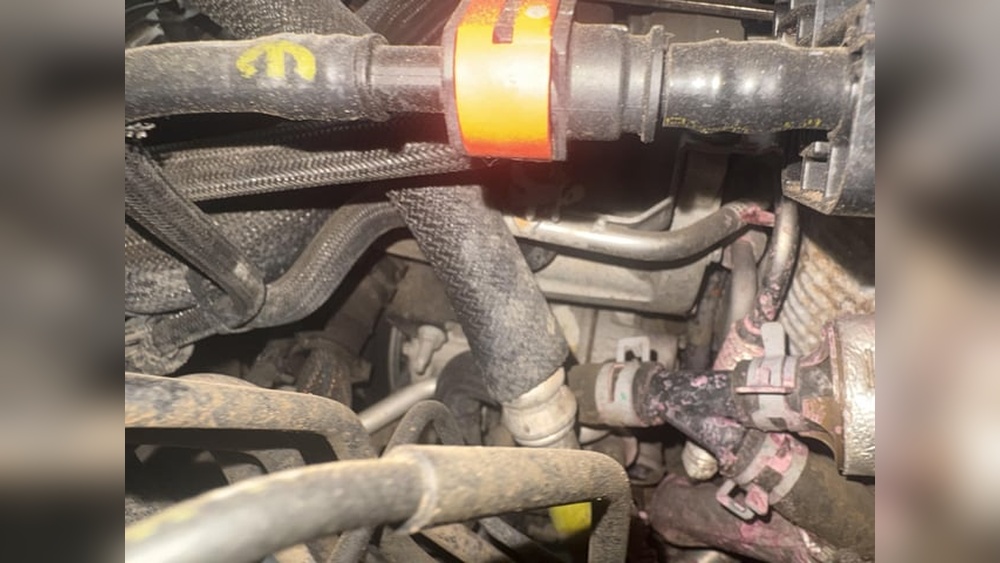
Examine hoses and intercooler lines for splits. If you see oil around these parts, the turbo might be leaking internally.
Comparison: Common Causes Of Power Loss
| Cause | Symptoms | Quick Fix |
|---|---|---|
| Boost Leak | Whistling, low power | Check hoses, tighten clamps |
| Dirty Filter | Slow acceleration | Replace air filter |
| Bad Plug | Misfire, rough idle | Replace spark plug |

Solving Turbocharger Problems
The turbocharger is a vital part of the Jeep 2.0 Turbo. If it fails, performance drops quickly. Here’s how to troubleshoot:
1. Listen For Sounds
Whining or rattling can mean bearing wear. If the noise increases with engine speed, check the turbo first.
2. Check Oil Supply
Low oil causes turbo damage. Always use synthetic oil, and change it every 5,000 miles. Look for leaks around the turbo housing.
3. Inspect Wastegate
A stuck wastegate can cause boost problems. Move the actuator gently to check for smooth operation.
Turbo Failure Data
| Issue | Percentage of Cases | Mileage Range |
|---|---|---|
| Oil Starvation | 40% | Under 50,000 miles |
| Boost Leak | 30% | Any mileage |
| Wastegate Fault | 20% | 30,000–70,000 miles |
| Other | 10% | Varies |
Cooling System Troubleshooting
A healthy cooling system is crucial for the 2.0 Turbo. Overheating can ruin the engine. Here’s what to check:
1. Coolant Level
Make sure coolant is between the marks. If it drops often, look for leaks under the radiator or hoses.
2. Radiator Cap
A weak cap can cause pressure loss and overheating. Replace if you see steam or notice frequent coolant drops.
3. Thermostat Function
If your engine heats up too fast or stays cold, the thermostat may be stuck. Replace if needed.
Cooling System Comparison
| Component | Failure Sign | Cost to Fix |
|---|---|---|
| Radiator | Leaking fluid | $300–$500 |
| Thermostat | Erratic temp | $100–$200 |
| Coolant Hose | Visible crack | $50–$150 |

Non-obvious Tips For Jeep 2.0 Turbo Owners
Many Jeep owners miss these valuable points:
- Reset the Throttle: After fixing air or turbo issues, reset the throttle position sensor. This helps the ECU relearn correct settings.
- Use Top-Tier Gasoline: Poor fuel quality can trigger engine knock and reduce turbo life. Always use premium gas if possible.
- Monitor Oil Quality: The 2.0 Turbo is sensitive to oil changes. If you drive hard, change oil sooner than the manual suggests.
When To Seek Professional Help
If you notice severe symptoms, such as smoke from the exhaust, heavy oil leaks, or repeated engine codes, visit a Jeep-certified mechanic. Modern turbo engines require special tools and knowledge. Ignoring major signs can lead to costly repairs or engine failure.
For more detailed information, check the official Jeep service guide at Jeep Owners Manual.
Frequently Asked Questions
How Often Should I Change The Oil In My Jeep 2.0 Turbo?
Change oil every 5,000 miles for best turbo protection. Use synthetic oil to keep the turbo running smoothly.
What Causes The Check Engine Light To Come On In The 2.0 Turbo?
Common triggers are sensor faults, turbo boost leaks, or fuel system problems. Scan codes to find the exact cause.
Can I Drive With A Turbo Problem?
It’s risky. Driving with a faulty turbo can lead to more damage and expensive repairs. Fix the issue as soon as possible.
What Is The Best Fuel For The Jeep 2.0 Turbo?
Always use premium gasoline. It prevents knocking and helps the turbo perform at its best.
How Do I Know If My Cooling System Is Failing?
Watch for overheating, low coolant, or steam from the hood. Check hoses and radiator for leaks if you see these signs.
Troubleshooting a Jeep 2. 0 Turbo doesn’t have to be stressful. Understanding these common problems and their solutions gives you more control over your vehicle’s health. With regular checks and smart maintenance, you can enjoy the full power of your Jeep for years to come.