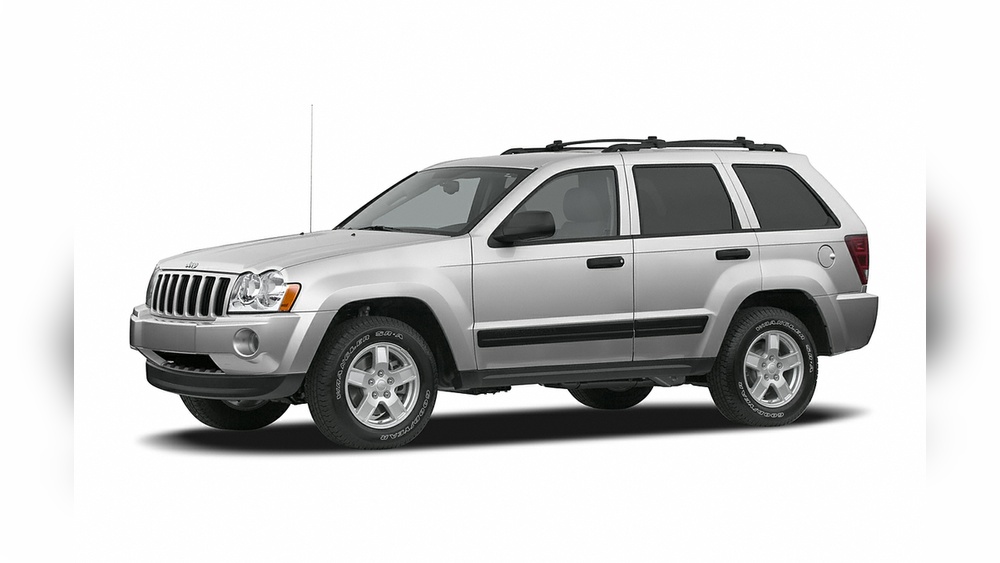
If your 2006 Jeep Wrangler’s check engine light just came on, you’re probably wondering how to reset it quickly and safely. Ignoring that warning light isn’t a good idea, but you don’t always need a costly visit to the mechanic to clear it.
What if you could reset the check engine light yourself, save time, and get back on the road with confidence? In this guide, you’ll learn simple, step-by-step methods to reset your Jeep Wrangler’s check engine light, troubleshoot common causes, and avoid unnecessary repairs.
Keep reading to take control of your Jeep’s health and keep it running smoothly.
Causes For Check Engine Light
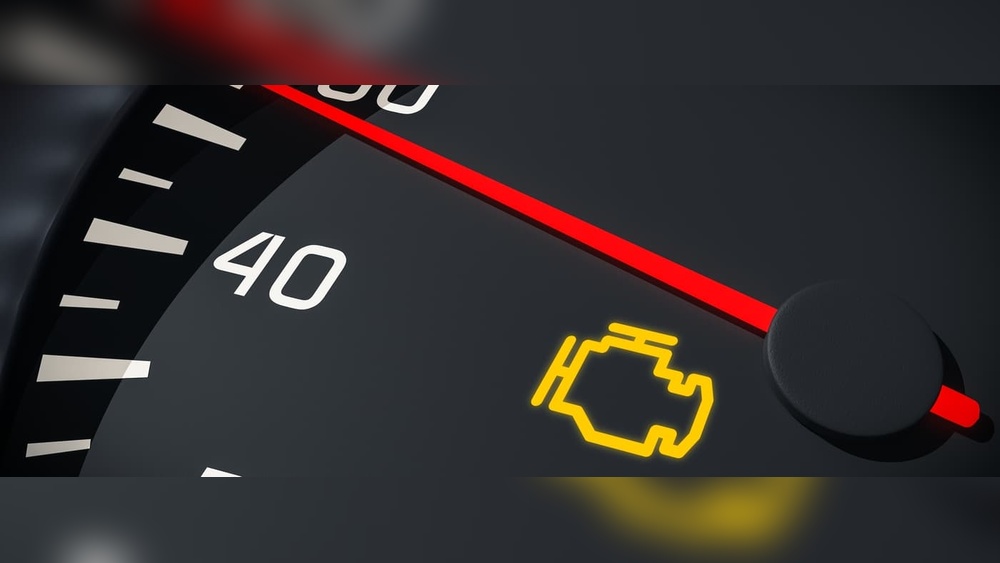
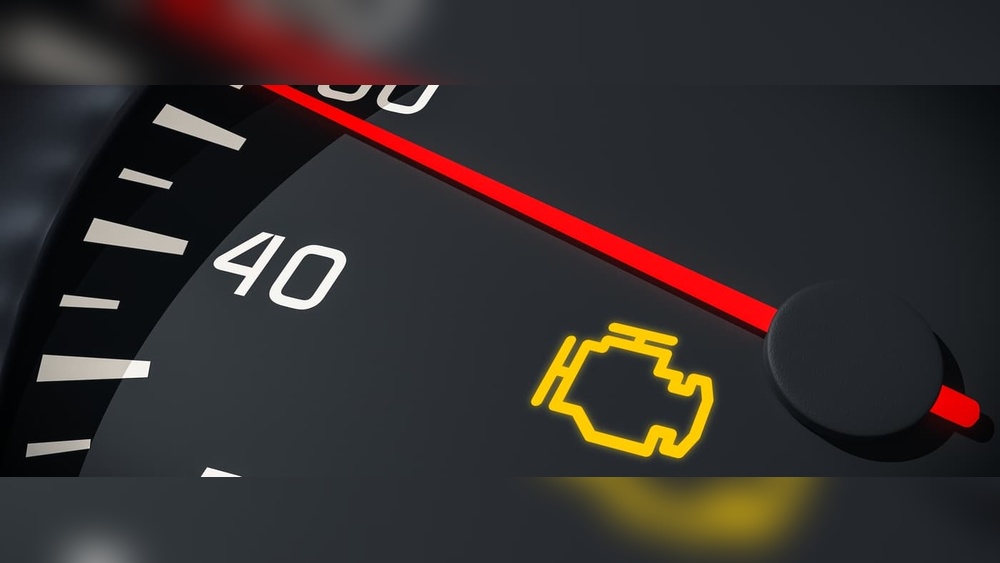
The check engine light on a 2006 Jeep Wrangler signals a problem with the vehicle. It can turn on for many reasons. Some issues are simple, while others need professional help. Understanding the causes helps you decide the next steps. Knowing common reasons saves time and money.
Common Issues Triggering The Light
Loose or damaged gas caps often cause the light to come on. This issue is easy to fix and common. Faulty oxygen sensors also trigger the warning. These sensors monitor the engine’s air-fuel mix. Bad spark plugs or wires can cause engine misfires. This problem reduces performance and increases emissions. Problems with the catalytic converter may also light up the warning. It helps reduce harmful gases from the engine. Issues with the mass airflow sensor affect engine power and fuel use.
Impact Of Engine And Sensor Problems
Engine problems can lower fuel efficiency and performance. Sensor faults may cause wrong data to the engine control unit. This can affect engine timing and fuel delivery. Ignoring these issues might cause bigger damage. Early detection helps keep the Jeep running smoothly. Sensors play a key role in engine health. Faulty sensors can lead to increased emissions and poor driving experience. Repairing these parts restores proper engine function and turns off the check engine light.
Checking Engine Codes
Checking the engine codes is the first step to reset the check engine light on your 2006 Jeep Wrangler. The codes tell you what caused the light to turn on. Reading these codes helps you understand the problem and decide the next steps. This section explains two ways to check the engine codes.
Using An Obd-ii Scanner
An OBD-II scanner is a tool that reads the engine codes from your Jeep’s computer. You plug the scanner into the OBD-II port, usually found under the dashboard. Turn the ignition on without starting the engine. The scanner will display the trouble codes stored in the system.
These codes start with a letter followed by numbers. Each code points to a specific issue. Write down the codes and look up their meanings online or in the scanner’s manual. This method is fast, accurate, and widely used by mechanics.
Manual Code Retrieval Methods
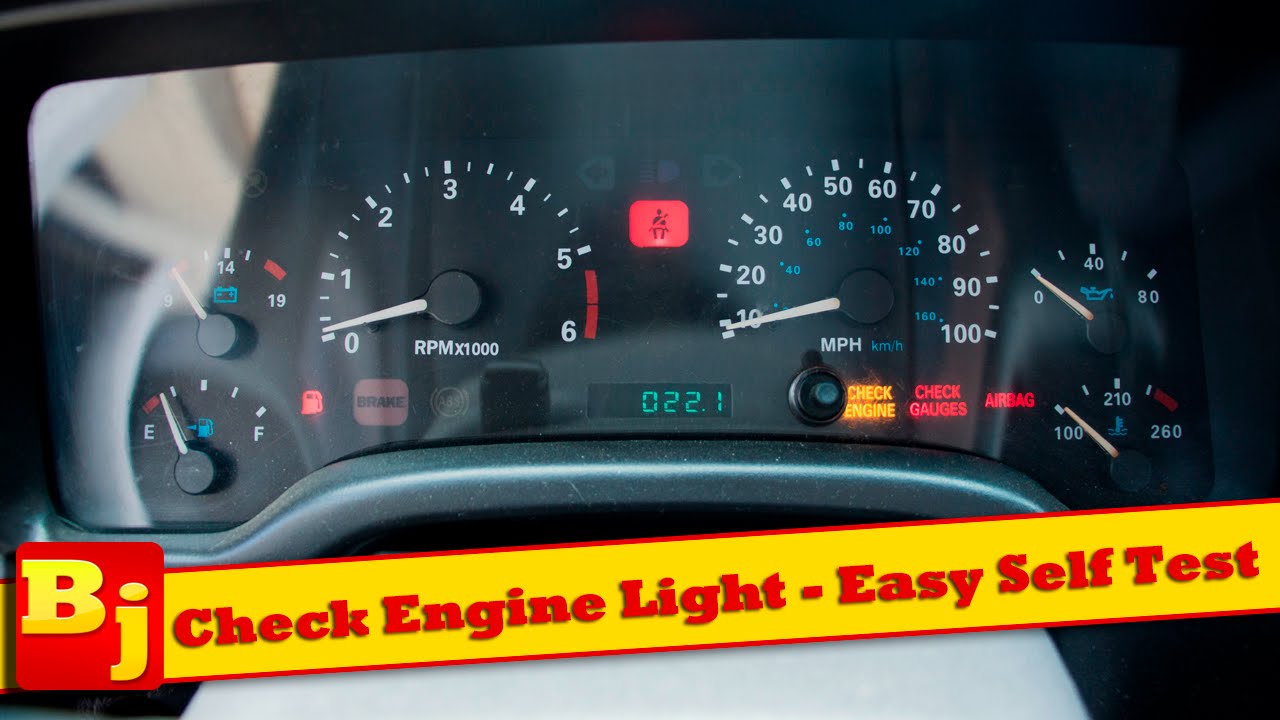
Your 2006 Jeep Wrangler can show engine codes without a scanner. Turn the ignition to the “on” position but do not start the engine. Press and hold the trip odometer reset button on the dashboard. After a few seconds, the check engine light will flash in a pattern.
Count the flashes. Each number represents a digit in the code. For example, two flashes followed by three flashes mean code P023. This method takes patience but works if you don’t have a scanner. Write down the codes and check what they mean before resetting the light.
Resetting The Check Engine Light
Resetting the check engine light on your 2006 Jeep Wrangler can help clear minor issues and keep your dashboard tidy. The light usually stays on after fixing a problem or if it was triggered by a false alert. Clearing it requires a few simple steps. Choose the method that fits your tools and comfort level.
Disconnecting The Battery Negative Terminal
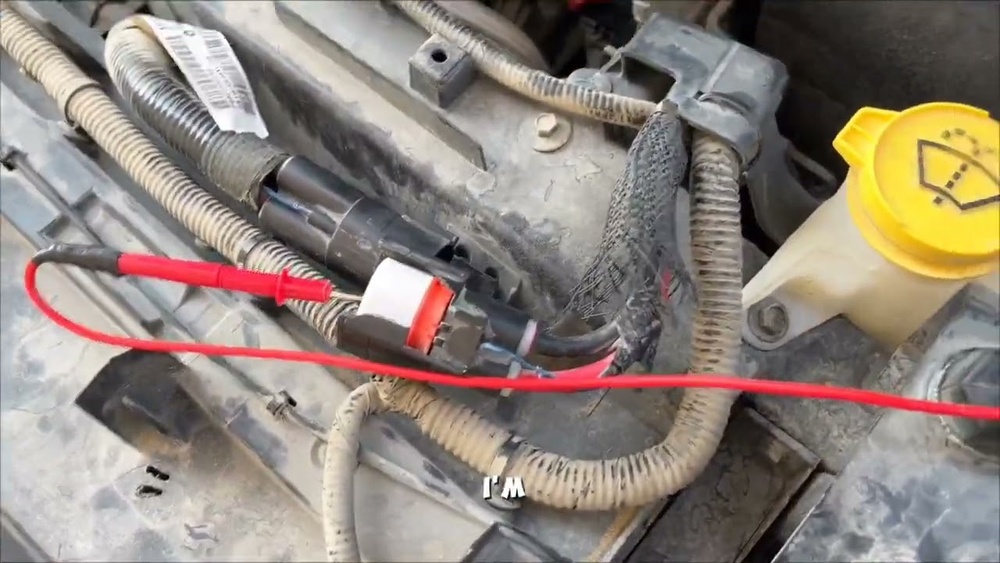
Start by turning off your Jeep and opening the hood. Locate the battery and find the negative terminal. Use a wrench to loosen the nut on the negative cable clamp. Remove the cable from the battery post carefully. Leave it disconnected for about 15 minutes. This pause allows the vehicle’s computer to reset. Afterward, reconnect the cable and tighten the nut securely. Close the hood and start your Jeep. The check engine light should now be off.
Using An Obd-ii Scanner To Clear Codes
Purchase or borrow an OBD-II scanner compatible with your Jeep. Locate the OBD-II port, usually under the dashboard near the steering column. Plug the scanner into the port and turn on your Jeep’s ignition without starting the engine. Follow the scanner’s instructions to read the trouble codes. After noting the codes, choose the option to clear or erase them. This action resets the check engine light. Turn off the ignition and unplug the scanner. Restart your Jeep to check if the light stays off.
Resetting Without Disconnecting The Battery
Turn the ignition key to the “On” position without starting the engine. Press the gas pedal slowly three times within 10 seconds. Then turn the ignition off and wait 10 seconds. Start the engine and observe the dashboard. The check engine light may turn off after this process. This method works for minor glitches in the system. It avoids the need to disconnect the battery or use a scanner. Repeat the steps if the light does not go off the first time.
Precautions Before Reset
Before resetting the check engine light on your 2006 Jeep Wrangler, taking precautions matters. Resetting without addressing the problem can cause further damage. It also risks your safety and wastes time. Follow these steps to prepare properly.
Ensuring The Issue Is Fixed
Check engine light means the vehicle’s computer found a problem. Scan your Jeep with an OBD-II scanner. This tool reads error codes stored in your Jeep’s system. Understand the codes and fix the issues first. Simple resets hide the problem but do not solve it. Driving with unresolved issues can harm your engine. Repair any faults before resetting the light.
Safety Tips While Working On Your Jeep
Turn off the engine before starting work. Let the engine cool to avoid burns. Wear gloves to protect your hands. Use safety glasses to shield your eyes. Disconnect the negative battery terminal to prevent shocks. Work in a well-lit and ventilated area. Keep tools organized to avoid accidents. Follow these tips to stay safe while handling your Jeep.
Troubleshooting Persistent Lights
Sometimes, the check engine light on your 2006 Jeep Wrangler stays on even after attempts to reset it. This can be frustrating and confusing. Persistent lights often signal ongoing issues that simple resets cannot fix. Understanding how to troubleshoot these persistent lights helps you avoid further damage and costly repairs.
Start by knowing why the light won’t reset and what to do next. This approach keeps your Jeep running safely and smoothly.
When The Light Won’t Reset
The check engine light may stay on if the problem still exists. A simple reset clears the light, but it returns if the issue remains. Problems like a loose gas cap, faulty oxygen sensor, or bad spark plugs cause this. Also, a dead or weak battery can affect the reset process. Use an OBD-II scanner to read the error codes. This tool shows exactly what triggers the light. Fix the root cause before trying to reset again. Without fixing the problem, the light will stay on or come back quickly.
Next Steps After Reset Failure
After a failed reset, inspect your Jeep carefully. Check the gas cap to make sure it is tight and sealed. Look for visible damage to wires or sensors. If unsure, seek help from a professional mechanic. They can diagnose complex issues using advanced tools. Avoid ignoring the light, as this can lead to engine damage. Keep track of any changes in your Jeep’s performance. Clean or replace faulty parts as needed. Clear the codes with a scanner after repairs. This process helps ensure the light stays off for good.

Preventive Maintenance Tips
Preventive maintenance plays a key role in keeping your 2006 Jeep Wrangler running smoothly. Regular care helps avoid unexpected check engine lights. Small efforts can prevent costly repairs and extend your vehicle’s life. Pay close attention to the engine and its components. This approach reduces issues that trigger warning lights.
Regular Engine Checks
Check your engine regularly for any signs of trouble. Look for leaks, strange noises, or unusual smells. Keep an eye on fluid levels, such as oil and coolant. Low fluids can cause engine problems and trigger the check engine light. Inspect belts and hoses for cracks or wear. Replace worn parts promptly to keep the engine healthy. A well-maintained engine runs more efficiently and stays trouble-free.
Keeping Sensors And Connections Clean
Sensors send important data to your Jeep’s computer. Dirt and corrosion can block their signals. Clean sensors carefully using a soft cloth and sensor-safe cleaner. Also, check electrical connections for corrosion or loose wires. Secure any loose connections to ensure proper communication. Clean sensors and solid connections help prevent false check engine warnings. This simple step keeps your Jeep’s systems running right.

Frequently Asked Questions
How To Clear A Jeep Wrangler Check Engine Light?
To clear a Jeep Wrangler check engine light, disconnect the negative battery cable for a few minutes. Reconnect it and start the engine to reset the light. Use an OBD-II scanner to read and clear codes for a precise reset.
Can You Manually Clear A Check Engine Light?
Yes, you can manually clear a check engine light by disconnecting the negative battery cable for a few minutes. This resets the vehicle’s computer and clears the codes. Always fix the underlying issue before resetting the light to prevent it from returning.
How To Reset Check Engine Light Without Disconnecting Battery Jeep?
Use an OBD-II scanner to read and clear codes. Turn ignition on, connect scanner, and select “clear codes” option.
What Is The Most Common Cause For A Check Engine Light To Come On?
The most common cause for a check engine light is a loose or faulty gas cap. It disrupts fuel system pressure.
Conclusion
Resetting the check engine light on your 2006 Jeep Wrangler is simple. You can disconnect the negative battery cable for a few minutes. This clears error codes stored in the system. Always check for underlying issues before resetting the light.
Ignoring problems may cause more damage later. Use a code reader to identify faults easily. Regular maintenance helps prevent warning lights from appearing. Stay safe and keep your Jeep running smoothly.