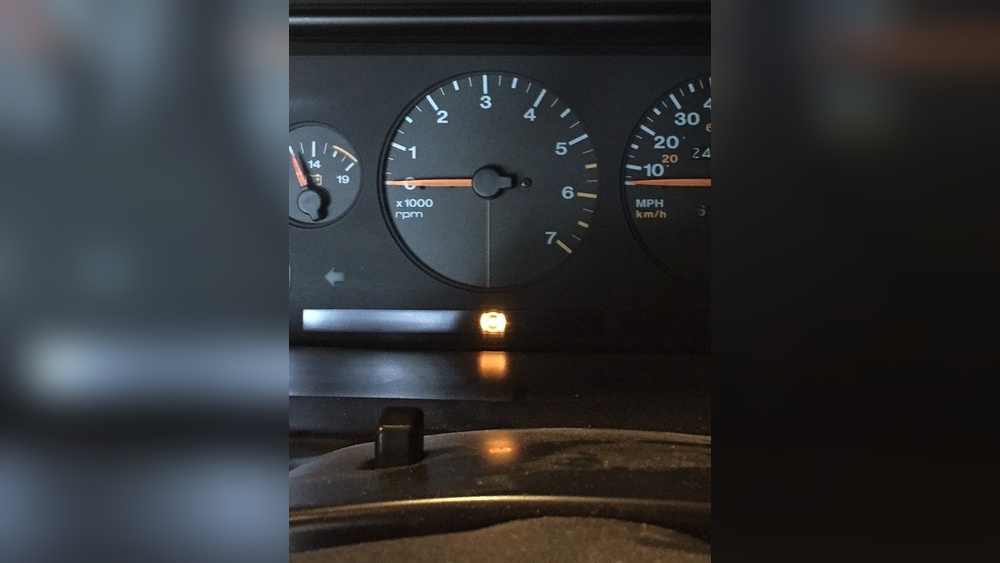
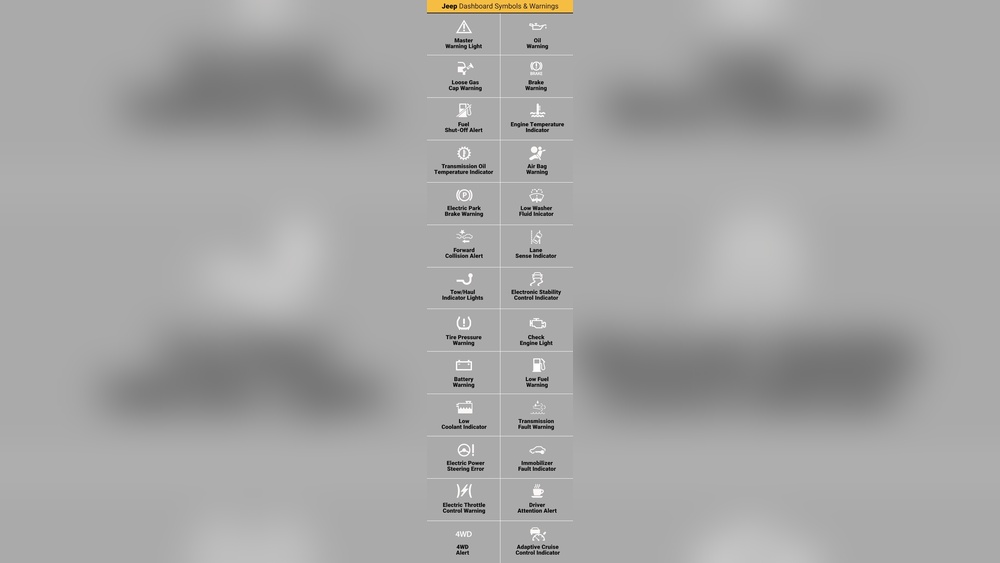
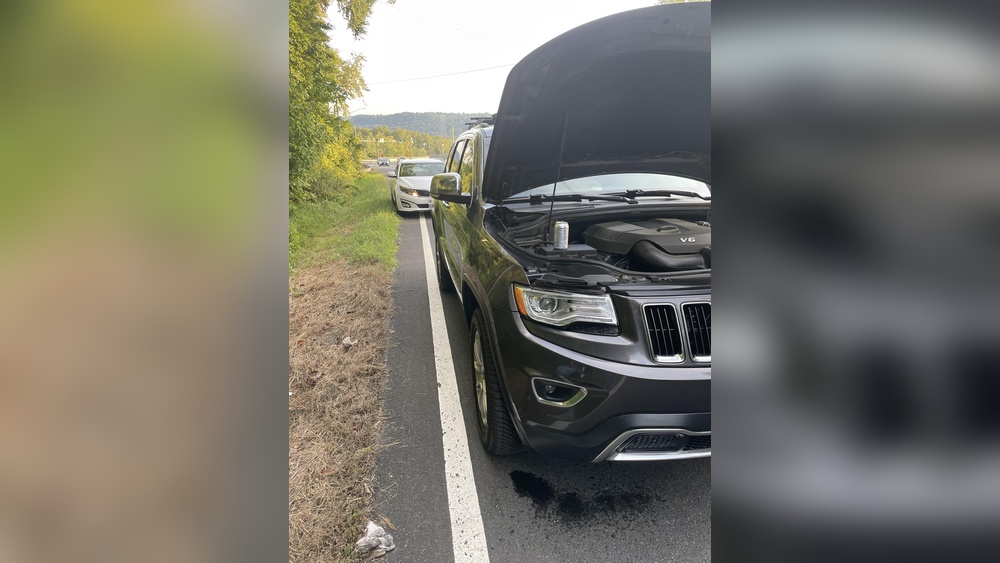
If you’re driving your Jeep Wrangler and suddenly see the check engine light turn on, you might feel a mix of confusion and worry. What does it really mean?
Is it something serious, or can you keep driving safely? Understanding why this warning appears on your dashboard is key to keeping your Jeep running smoothly and avoiding costly repairs. You’ll learn exactly what the check engine light means on your Jeep Wrangler, common reasons it comes on, and the simple steps you can take to diagnose and fix the issue.
Don’t ignore that light—read on to find out what your Jeep is trying to tell you.
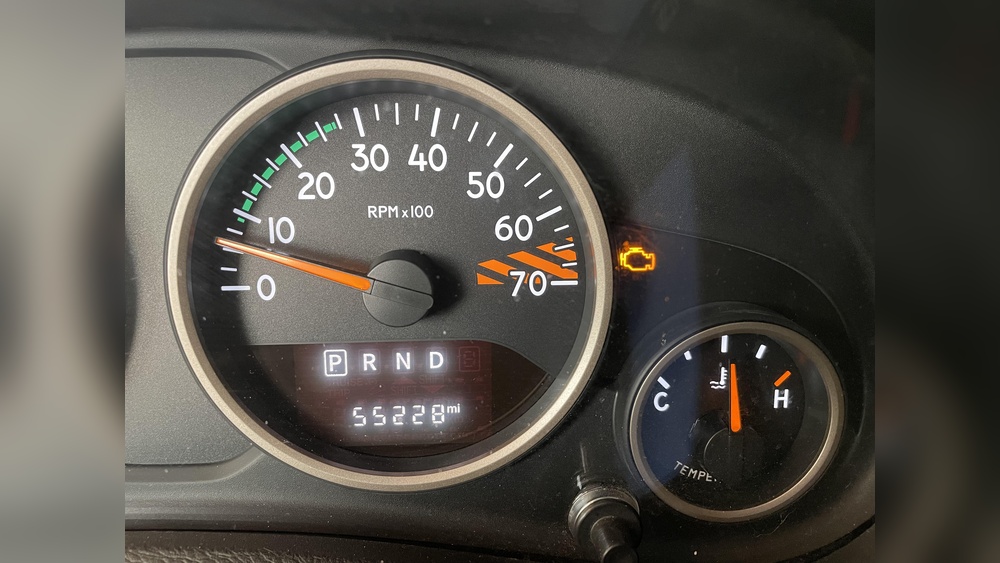
Check Engine Light Basics
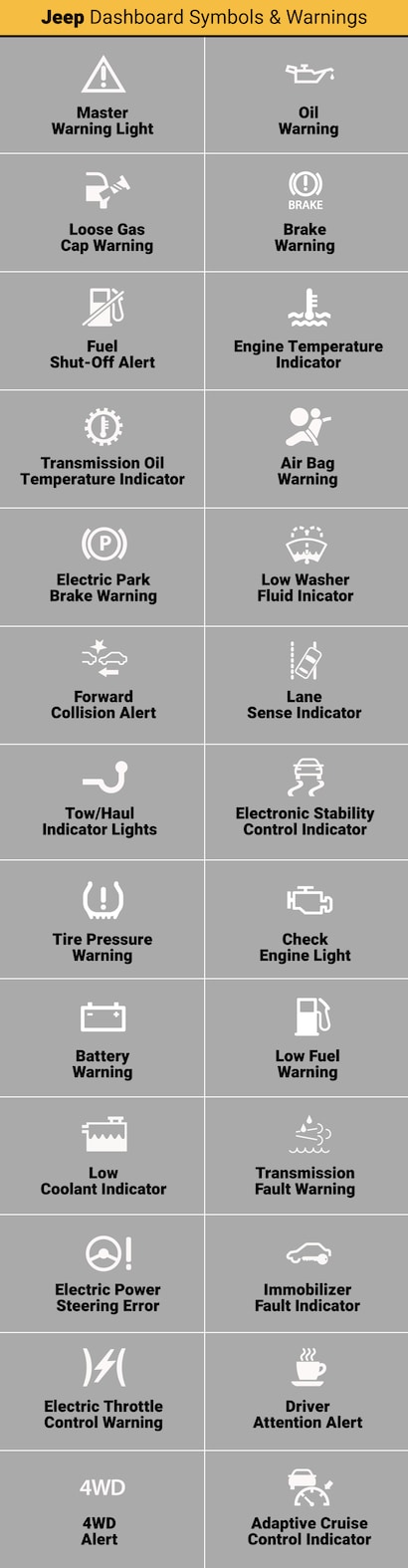
The check engine light on a Jeep Wrangler is a warning signal. It alerts you to potential engine or emissions problems. Understanding this light helps you react properly and keep your Jeep safe.
This light is part of the vehicle’s onboard diagnostic system. It monitors engine functions and emissions controls. When it detects an issue, it turns on to notify the driver.
What Triggers The Light
The check engine light can turn on for many reasons. Common causes include a loose gas cap, faulty sensors, or engine misfires. It also lights up if the emissions system is not working right.
Sometimes, the light appears due to minor issues. Other times, it signals serious engine problems. The onboard computer scans for trouble codes that help identify the exact issue.
Steady Vs Flashing Light
A steady check engine light means the problem is not urgent. You should have your Jeep checked soon. Driving with a steady light is usually safe but not recommended for long periods.
A flashing check engine light warns of a severe issue. It often means the engine is misfiring. This can damage the catalytic converter quickly. Stop driving and get immediate repair to avoid costly damage.
Common Causes On Jeep Wrangler
The check engine light on a Jeep Wrangler signals a problem in the engine or emission system. It can turn on for many reasons. Understanding common causes helps Jeep owners act quickly and avoid costly repairs. Some issues are simple, while others need professional help. Here are the most frequent causes that trigger the check engine light on a Jeep Wrangler.
Loose Or Damaged Gas Cap
A loose or damaged gas cap often causes the check engine light to come on. The gas cap seals the fuel system. If it is not tight or has cracks, fuel vapors escape. This triggers the engine’s computer to detect a leak. Tightening or replacing the gas cap usually solves the problem quickly.
Faulty Oxygen Sensors
Oxygen sensors monitor the air-fuel mixture in the engine. When these sensors fail, the engine runs inefficiently. This can increase fuel consumption and pollution. The check engine light alerts you to faulty oxygen sensors. Replacing them restores proper engine performance and lowers emissions.
Engine Misfires
Engine misfires happen when fuel or spark fails in one or more cylinders. This causes rough running and poor power. Misfires can result from bad spark plugs, ignition coils, or fuel injectors. The check engine light warns of misfires to prevent engine damage. Fixing the cause improves smoothness and fuel economy.
Emissions System Issues
Problems with the emissions system also trigger the check engine light. This includes parts like the catalytic converter and EGR valve. When these parts fail, harmful gases increase. The engine computer detects these faults and lights up the warning. Repairing emissions issues helps the Jeep pass inspections and run cleaner.
Reading Trouble Codes
The check engine light on a Jeep Wrangler signals a problem detected by the vehicle’s computer system. To understand the exact issue, reading the trouble codes stored in the system is essential. These codes provide specific information about what triggered the light. This section explains how to access and interpret these codes.
Using An Obd-ii Scanner
An OBD-II scanner is a tool that connects to the Jeep’s diagnostic port. It reads trouble codes stored in the engine control unit. These codes help identify the fault causing the check engine light. Scanners vary from simple code readers to advanced devices with live data. Plug the scanner into the port, turn the ignition on, and follow the scanner’s instructions.
Interpreting Jeep-specific Codes
Jeep Wrangler uses standard OBD-II codes and some model-specific codes. Standard codes start with a letter like P for powertrain. Jeep-specific codes may relate to unique systems or features. Use a Jeep code list or manual to understand these codes. Knowing the code meaning guides repair or maintenance actions.
Diy Code Retrieval Methods
Some Jeep Wranglers allow retrieving codes without a scanner. One way is cycling the ignition key on and off in a pattern. The odometer or check engine light then flashes the code. Count the flashes to get the code number. This method is basic but useful if no scanner is available. Always confirm codes with a scanner for accuracy.
Immediate Steps To Take
The check engine light on your Jeep Wrangler signals a possible issue with the engine or emissions system. Taking quick action helps prevent further damage and keeps you safe. Follow these immediate steps to manage the situation properly. They are simple and effective for most common causes.
Check And Tighten Gas Cap
Start by inspecting the gas cap. A loose or damaged cap often triggers the light. Remove the cap and check for dirt or cracks. Clean the seal area if needed. Screw the cap back on firmly until you hear a click. This step can fix the problem quickly. Drive for a few miles to see if the light goes off.
Reduce Speed And Load
Lower your speed and avoid heavy loads on the engine. Driving fast or carrying extra weight stresses the engine. Slowing down reduces the chance of damage. It also helps your Jeep run smoother while the issue is checked. Keep your driving gentle and steady during this time.
Avoid Hard Acceleration
Do not press the gas pedal hard or accelerate suddenly. Hard acceleration puts strain on the engine and exhaust system. Smooth acceleration lowers stress and prevents worsening the problem. Focus on gentle starts and stops until a mechanic can inspect your Jeep. This keeps your vehicle safer and may stop the light from flashing.
When To See A Mechanic
The check engine light on your Jeep Wrangler signals a problem detected by the vehicle’s system. Knowing when to visit a mechanic is key to preventing further damage. Some warning signs need immediate attention, while others can wait for scheduled service.
Flashing Light Urgency
A flashing check engine light means a severe issue. It often signals a misfire that can damage the catalytic converter. Stop driving and seek professional help immediately. Continuing to drive can cause costly repairs.
Persistent Light After Fixes
If the light stays on after basic fixes, like tightening the gas cap, see a mechanic. The problem might be deeper and needs a thorough check. Ignoring the light could lead to engine damage or poor fuel economy.
Professional Diagnostic Tools
Mechanics use diagnostic tools to read error codes from the Jeep’s system. These codes point to the exact problem. A professional diagnosis ensures the right repair and keeps your Jeep running smoothly. Avoid guessing or delaying a visit to the shop.
Preventive Maintenance Tips
Preventive maintenance keeps your Jeep Wrangler running smoothly. It helps avoid check engine light issues. Regular care saves money and time by preventing bigger problems. Follow these simple tips to maintain your engine and related parts.
Regular Engine Tune-ups
Schedule engine tune-ups every 10,000 to 15,000 miles. This includes checking spark plugs, filters, and fluids. Tune-ups improve engine performance and fuel efficiency. They help catch minor issues before the check engine light turns on.
Inspecting Hoses And Connections
Check hoses and connections often for cracks or leaks. Damaged hoses can cause engine problems and trigger warning lights. Replace worn or loose parts immediately. Keeping these components in good shape prevents air or fluid leaks.
Keeping Emissions System Clean
Clean the emissions system regularly to reduce harmful deposits. Use recommended fuel additives or have professionals clean the system. A clean emissions system supports engine health and lowers the chance of check engine light alerts.
Common Fixes For Jeep Wrangler
The check engine light on a Jeep Wrangler signals an issue in the vehicle’s system. This warning can point to many problems. Some are simple to fix, while others may need a mechanic’s help.
Common fixes for Jeep Wrangler issues often involve parts that wear out or sensors that fail. Many drivers find these solutions helpful to resolve the check engine light quickly. Understanding these fixes can save time and money.
Replacing Snapped Hoses
Hoses in the engine carry fluids and air. Over time, they can crack or snap. A snapped hose causes leaks or loss of pressure.
Replacing broken hoses is a straightforward repair. Locate the damaged hose, remove it, and install a new one. This fix often stops the check engine light from coming on.
Fixing Sensor Issues
Sensors monitor engine performance and send data to the computer. Faulty sensors can cause false warnings. Common sensors to check include oxygen sensors and mass airflow sensors.
Cleaning or replacing sensors can clear the error. Proper sensor function helps the engine run smoothly and keeps the check engine light off.
Resetting The Check Engine Light
After repairs, the check engine light may stay on. Resetting the light clears stored error codes. This can be done with an OBD-II scanner or by disconnecting the battery for a few minutes.
Resetting lets the system check if the problem is solved. If the light returns, further diagnosis is needed.
Driving With The Light On
A check engine light on a Jeep Wrangler signals an issue with the engine or emissions system. It may be a loose gas cap or a more serious problem needing attention. Driving cautiously and checking the light’s behavior helps decide when to visit a mechanic.
The check engine light in your Jeep Wrangler warns you about engine issues. It can turn on for many reasons, some serious and some minor. Driving with the light on requires careful attention. The severity of the problem affects how you should respond.
Ignoring the light may lead to bigger problems. It is important to understand the risks before continuing to drive.
Assessing Safety Risks
A steady check engine light usually means a minor issue. You can drive carefully, but avoid high speeds and heavy loads. A flashing light signals a serious problem, like a misfire. Driving with a flashing light can damage your engine or cause a breakdown. Stop driving as soon as it is safe to do so. Have your Jeep checked by a professional immediately.
Impact On Vehicle Performance
The engine may lose power or run roughly when the light is on. Fuel efficiency can drop, causing more trips to the gas station. Your Jeep might hesitate or stall unexpectedly. These changes affect your control and comfort on the road. Pay attention to unusual noises or smells while driving.
Long-term Consequences
Ignoring the check engine light can cause costly repairs later. Small issues can grow into major engine damage. Emissions may increase, harming the environment and failing inspections. Your Jeep’s resale value can decrease if problems persist. Timely repairs keep your vehicle reliable and safe over time.

Frequently Asked Questions
Can I Drive My Jeep With The Engine Light On?
You can drive your Jeep with the engine light on if it’s steady, but drive cautiously. A flashing light means stop immediately and seek repairs. Check the gas cap first; a loose cap often triggers the light. Schedule a mechanic visit soon to avoid damage.
What Is The Most Common Check Engine Light On A Jeep Wrangler?
The most common check engine light issue on a Jeep Wrangler is a loose or faulty gas cap. Tightening or replacing it often resolves the problem quickly.
What To Do When The Check Engine Light Comes On A Jeep Wrangler?
Stay calm and check the gas cap for tightness and damage. If the light stays on, scan for error codes and schedule a mechanic visit. Reduce speed if the light flashes, indicating a possible engine misfire.
What Is The First Thing To Check When The Check Engine Light Comes On?
Check the gas cap first; ensure it is tightly sealed and free of debris. A loose or damaged cap often triggers the light.
Conclusion
The check engine light on your Jeep Wrangler signals a problem. It can mean something simple or more serious. Start by checking the gas cap; a loose cap often triggers the light. Drive gently and avoid hard acceleration if the light flashes.
Use a diagnostic tool or visit a mechanic to find the exact issue. Don’t ignore the warning to keep your Jeep running smoothly. Regular checks help prevent bigger problems and costly repairs. Stay alert and act quickly to protect your vehicle.